Cold Case Identification Solves 1982 Ohio Hit-and-Run Death
The DNA Doe Project announced on Jan. 7, 2026, that a man found dead on Western Reserve Road in Boardman, Ohio, on Aug. 12, 1982, has been identified as 41-year-old Charles Joseph Nunnenman III. The identification, confirmed by relatives in Massachusetts, gives the Mahoning County Sheriff’s Office a named victim to update records and pursue remaining investigative leads in the decades-old hit-and-run.
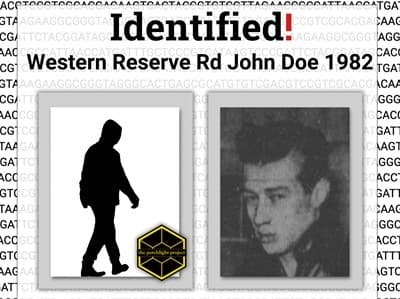
Investigators closed a longstanding gap in a Mahoning County cold case when forensic genetic genealogy revealed the identity of a man struck and killed in Boardman on Aug. 12, 1982. The body, long entered in records as Western Reserve Road John Doe, was identified as 41-year-old Charles Joseph Nunnenman III after a multiagency effort that culminated in DNA confirmation from family members.
The breakthrough came when forensic genealogists used genetic evidence to determine a deep Irish and broader European ancestry profile. Working from a distant match in the FamilyTreeDNA database, researchers built descendant trees that led them to relatives living in Massachusetts. Those relatives provided DNA that confirmed the match and closed the identity gap that had persisted for more than four decades.
The Mahoning County Sheriff’s Office credited the DNA Doe Project and partner organizations for the identification, including Porchlight Project, Azenta/Astrea, and GEDmatch/FamilyTreeDNA. With a name now attached to the case file, the sheriff’s office can correct records, notify next of kin, and actively pursue remaining investigative leads tied to the hit-and-run. Identifying the victim does not automatically resolve the circumstances of the collision, but it focuses investigative resources and creates channels for new information to emerge.
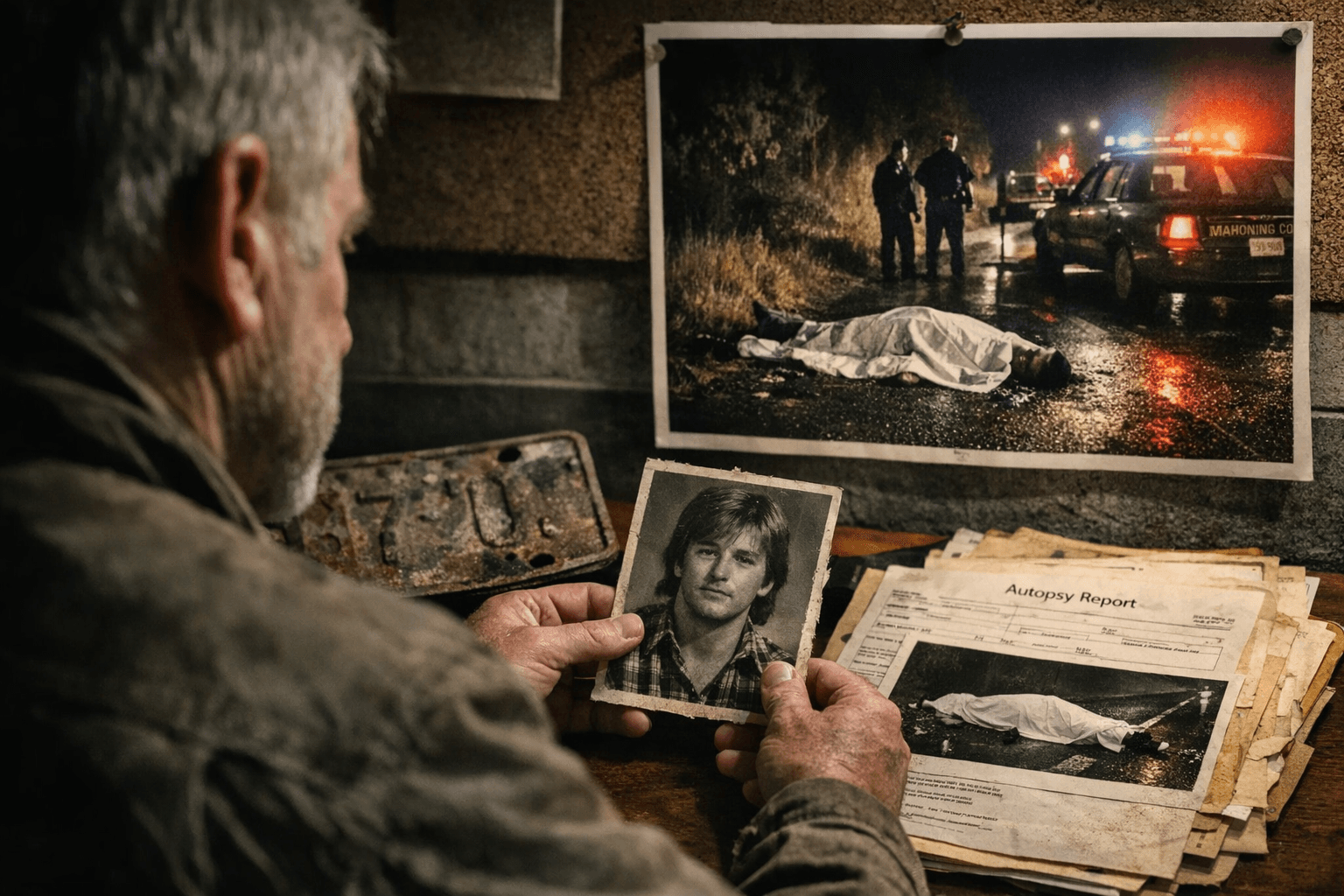
For the community, the identification matters in concrete ways. Family members gain the possibility of closure and access to legal and medical records that were previously unavailable under an anonymous designation. Local investigators gain a clearer timeline and personal history to inform inquiries into how Nunnenman was in Boardman in 1982 and whether further evidence might point to a vehicle, witness, or responsible party. The case underscores how modern genetic tools can revive cold-case work and bring names back into public records.
Practical steps for anyone with information include contacting the Mahoning County Sheriff’s Office with tips or historical recollections about the Boardman area in the summer of 1982. The success of this identification also highlights the role that distant DNA matches and family-provided samples can play in solving cold cases, and it provides a model for communities seeking to resolve other unidentified remains through coordinated forensic and genealogical work.
Sources:
Know something we missed? Have a correction or additional information?
Submit a Tip