Cold Plunge Versus Cryotherapy: Science, Safety, Cost, and Convenience
Cryotherapy delivers ultra‑cold, dry air for 2–4 minutes while cold plunges immerse the body in 38–60°F water for up to 15 minutes; choose based on recovery goals, cost, and health risks.
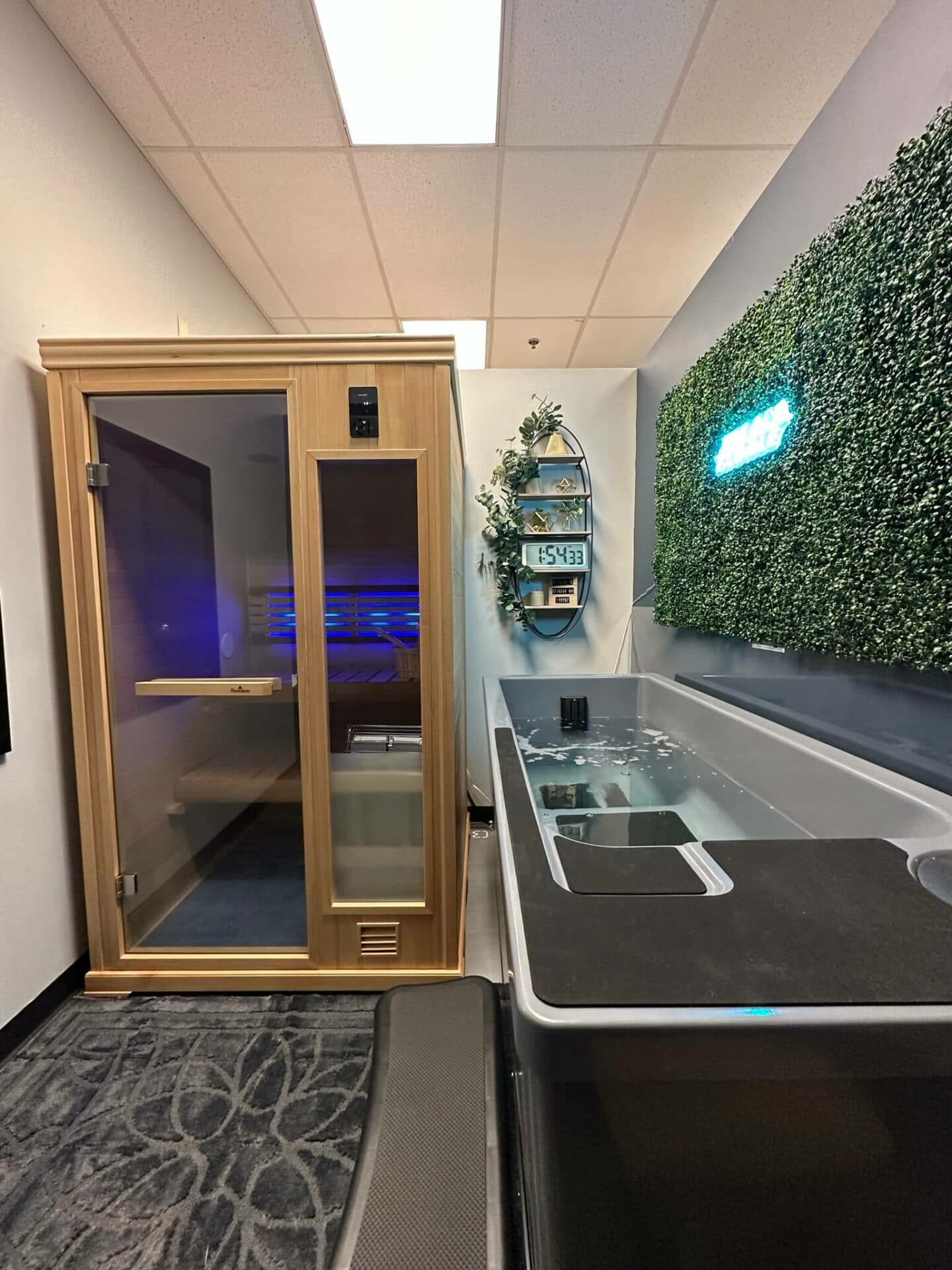
Whole‑body cryotherapy and cold water immersion are racing for space in gyms, clinics, and front yards, but they work very differently and suit different needs. Cryotherapy exposes the body to extreme, dry cold inside a chamber for very short bursts; Rehabmart notes machines can deliver temperatures “as low as -250°F,” GarageGymReviews reports ranges “from -50 degrees to -200 degrees Fahrenheit or lower,” and Restore markets its proprietary chambers at “-166 degrees Fahrenheit.” Typical sessions are brief: Aqua‑Tox describes treatments as “very short (typically 2–4 minutes),” GarageGymReviews says “3 or 4 minutes,” and Restore promotes the speed: “Efficiency: Cryotherapy sessions last only up to three minutes, making them much quicker than the 15 minutes often required for cold plunges.”
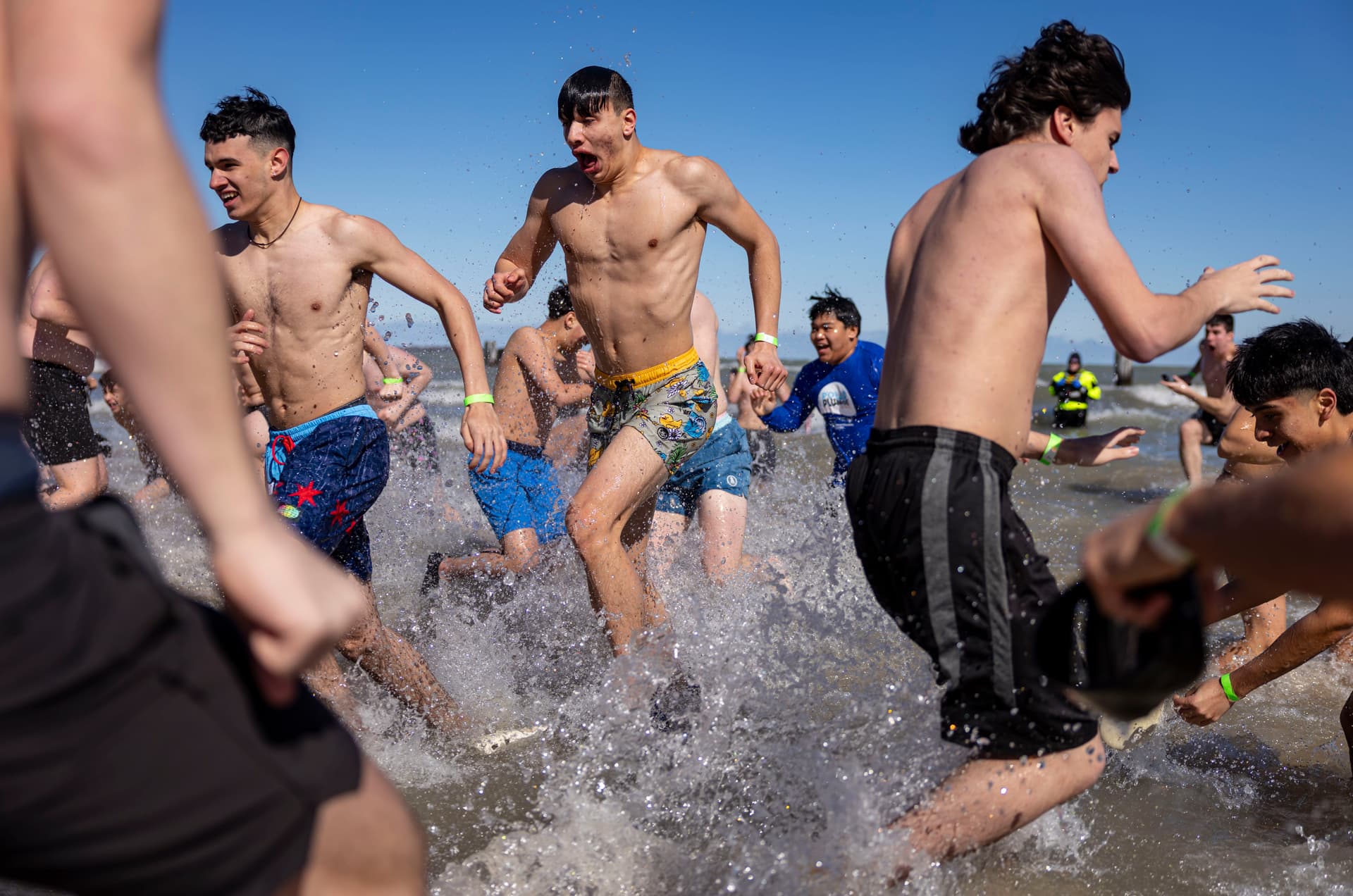
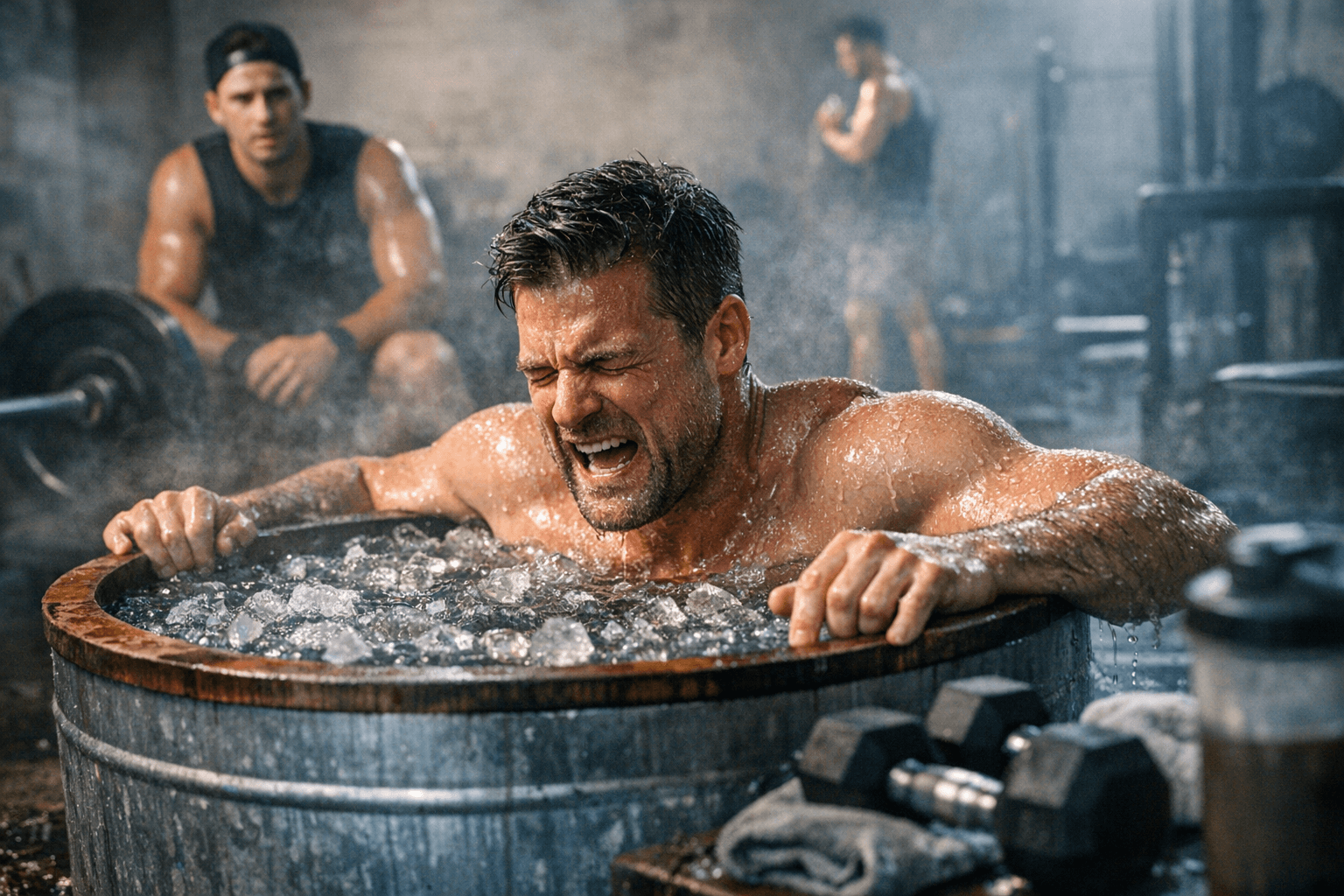
Cold plunges use water’s thermal conductivity and hydrostatic pressure to cool tissue over longer periods. Rehabmart and IcePass place temperatures around 38–60°F or 39–59°F, with sessions ranging from 30 seconds to 15 minutes. The academic literature summarized in a PMC article explains the physiological split: cold water immersion (CWI) drives vascular changes that clear metabolic waste and relieve delayed onset muscle soreness (DOMS), while body cryotherapy (BC) transiently suppresses blood flow and metabolism to reduce swelling and inflammation.
Those mechanistic differences guide practical choices. Rehabmart and PMC point out CWI is generally better for exercise recovery and reducing DOMS within 48 hours after exertion, while cryotherapy is often preferred in healthcare and rehab settings for targeted swelling, post‑surgical inflammation, or neuropathic pain. GarageGymReviews echoes that both methods aid muscle recovery and perceived soreness, but notes cryotherapy usually requires travel to specialized chambers while cold plunges can be purchased for home use — examples include the Ice Barrel 500 and Dreampod Ice Bath Flex, and devices for localized cryo such as Zimmer Cryo 6.
Cost and access tilt the decision for many community members. IcePass advertises entry pricing with the promotional copy “Book Your First 2 Hour Session for $25” and “2HR session for $25,” while trade sources characterize cryotherapy as “more expensive” than in‑home cold plunges. Restore frames cryotherapy as a controlled, efficient treatment and adds that “Cryotherapy treatment is one of many ways that Restore utilizes controlled, natural stressors to increase your body’s resilience,” language typical of provider marketing.
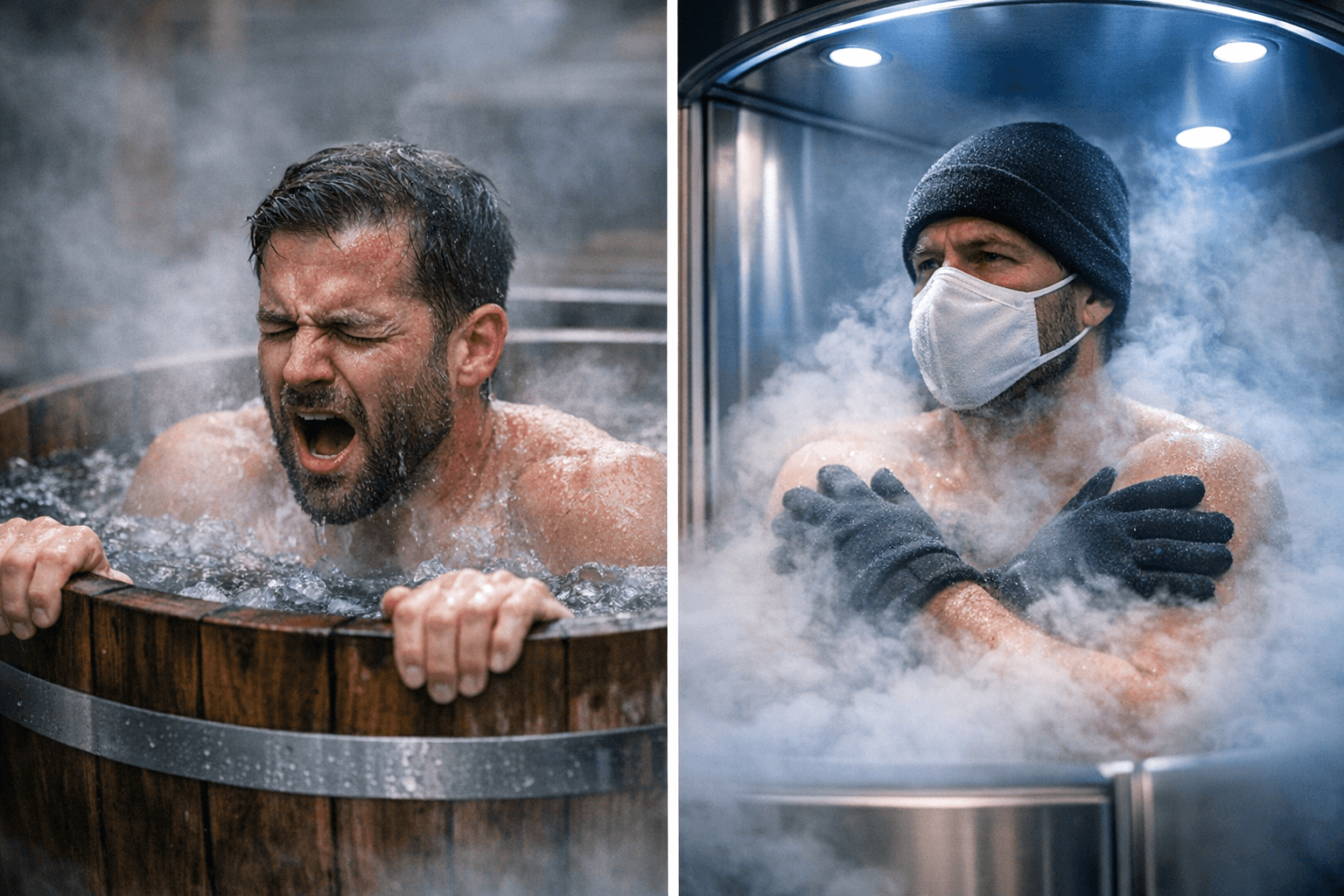
Safety remains paramount. Rehabmart cautions: “Always consult a healthcare provider before starting cold therapy, especially if you have cardiovascular conditions or circulatory disorders.” IcePass also warns that using cold water immersion immediately after strength training may temporarily impair muscle growth.
For plungers and clinic clients, the pragmatic path is clear: choose cold plunges for post‑training recovery and accessibility, consider cryotherapy for tight clinical indications or when time is limited, and discuss mixing both in a structured program as recommended by Rehabmart. Check local pricing and provider claims, keep cardiovascular risks in mind, and plan sessions around training goals to get the cold on your side.
Know something we missed? Have a correction or additional information?
Submit a Tip