Fitness Experts Call Cold Plunges Overhyped, Say They Blunt Gains
The #coldplunge trend has topped 1 billion TikTok views, yet coaches and exercise scientists warn daily post-workout plunges can blunt long-term muscle gains.
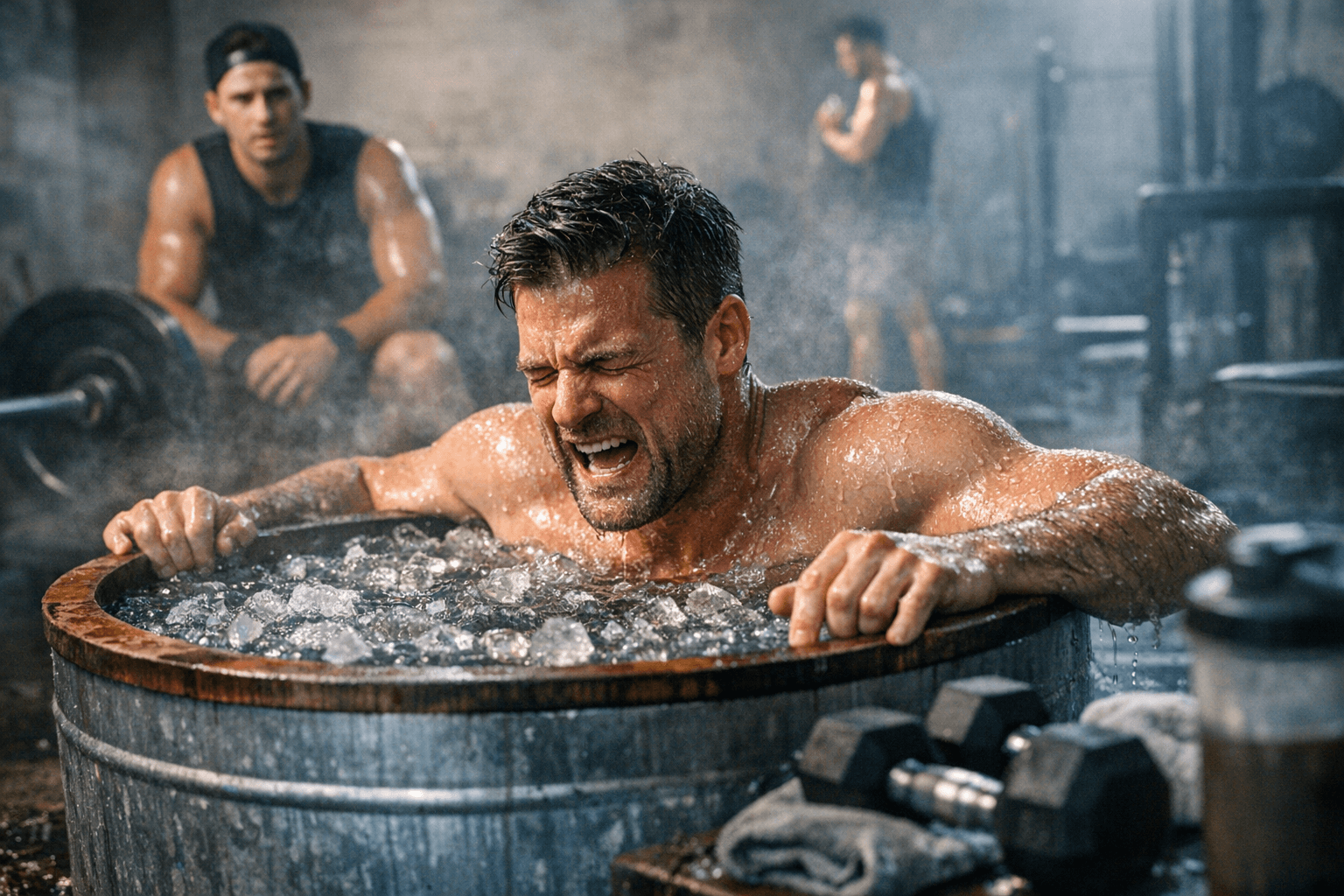
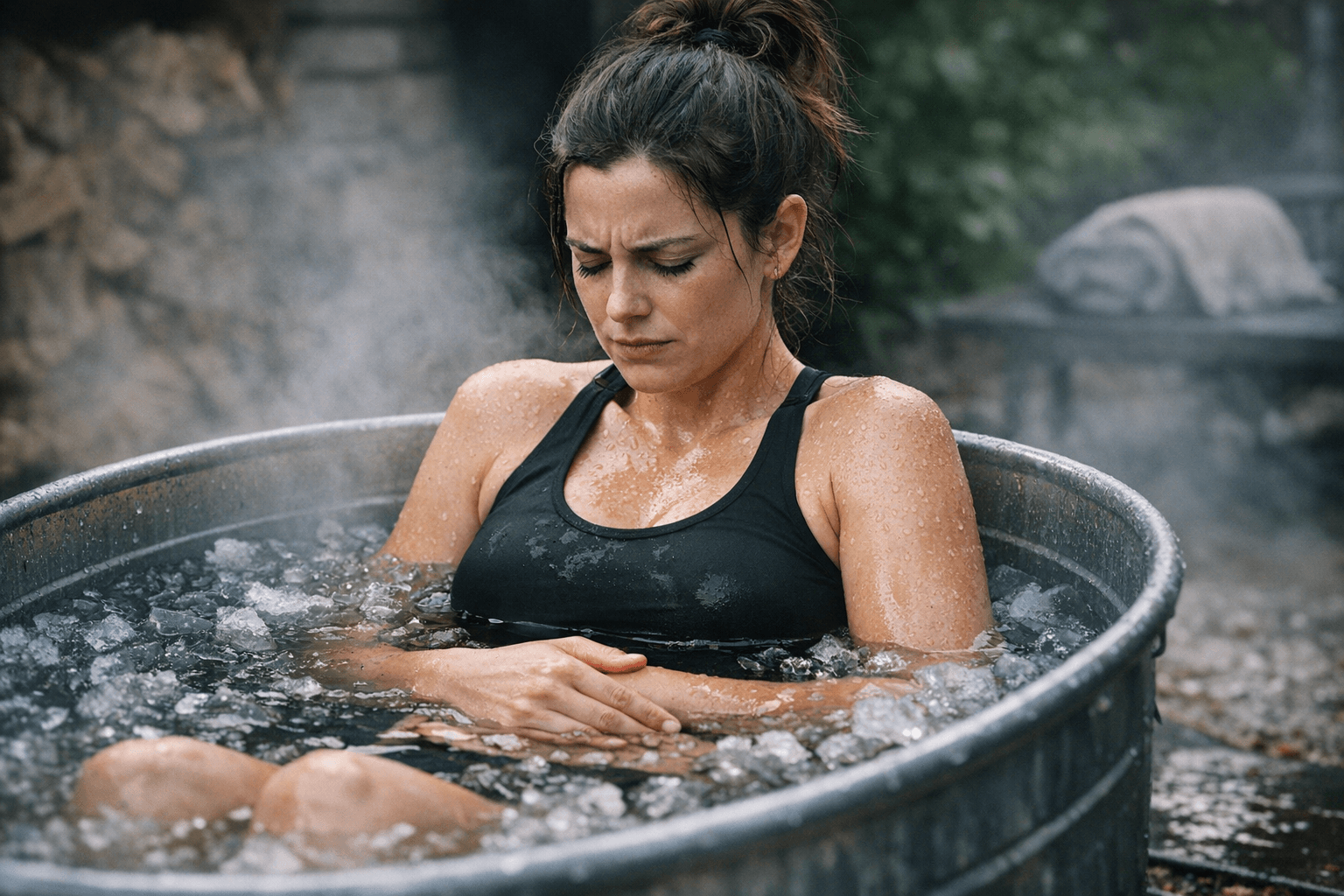
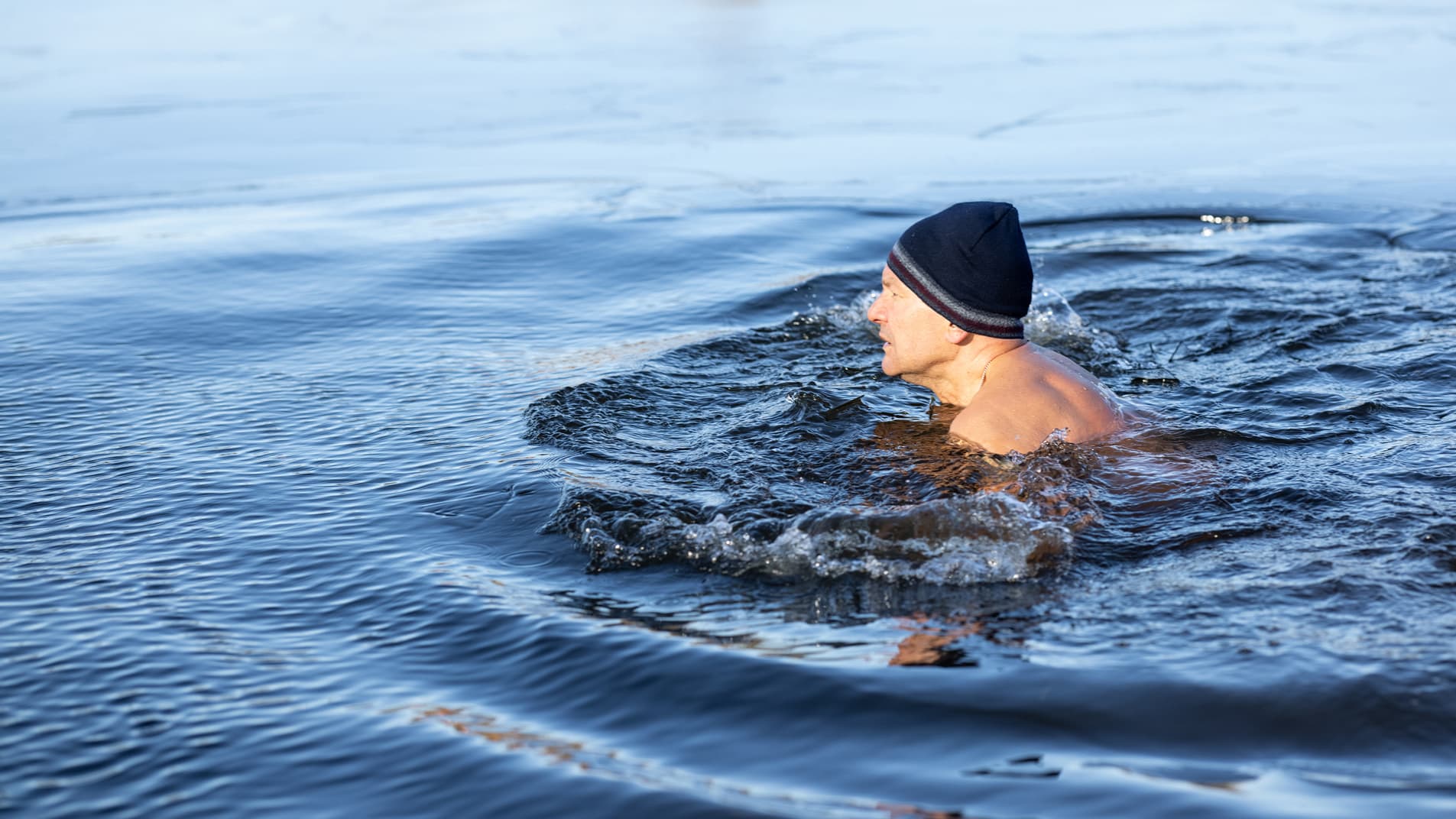
In locker rooms and influencer feeds the icy ritual has gone mainstream: Baptist Health resource editors note the #coldplunge hashtag has reportedly garnered more than a billion views on TikTok and that hundreds of cold-plunge tub brands now clutter online marketplaces. The cultural spread is vivid — rooftop videos, celebrity clips and retail catalogs — but the buzz is colliding with sharp expert pushback.
“Influential coaches argue ice baths post-workout interfere with muscle adaptation and growth, urging periodization over daily use,” reads one critical assessment, which also says practitioners deride the ritual as “Instagram virtue-signaling rather than effective recovery, part of bro-science morning routines delaying real training.” Those lines capture a coaching chorus that wants plunges scheduled, not slavishly repeated.
Medical voices are split. Luis Rodriguez, M.D., FAMSSM, a primary care sports medicine physician with Baptist Health Orthopedic Care, acknowledged “popular anecdotal benefits include less pain and soreness during the recovery phase after exercise, and faster recovery.” He added that “cold water immersion has mainly been sought by athletes as a way of restricting inflammation and limiting cellular stress responses after exercise,” while noting “these physiological benefits have been demonstrated in some studies but one study showed no benefit compared to active recovery, such as stationary cycling at a self-selected low intensity.” Rodriguez also recounted a truncated finding: “Furthermore, regular practice of cold water immersion was actually shown in one study to reduce gains in muscle strength and mass after three [...]” — the excerpt did not specify the timeframe.
Exercise scientists emphasize timing and adaptation. Alexander Rothstein, Ed.D., assistant professor of exercise science, told Men’s Journal–syndicated outlets that “while cold plunging before a workout can help athletes feel more energized, Rothstein cautions that doing so can potentially increase the time it takes to warm up,” and he urged athletes to “watch for signs of tight, tense muscles, and warm up thoroughly before training.” Rothstein’s clearest flag about post-workout use is this: “If we blunt that response, we might be losing out on the opportunity to actually have gains from our workout or to have positive adaptation in the muscles.”
That caution is echoed by a technical framing from Dr. Schoenfeld, who points out that muscle protein synthesis remains elevated for more than 24 hours and up to 48 hours after resistance training. “So even if you did it six or eight hours later, you'd still be blunting blood flow when the muscle is looking to get nutrients to the tissue,” he says. William B. Workman, MD, a board-certified orthopedic surgeon at DISC Sports and Spine Center in Walnut Creek, California, summarized the compromise: “There are some benefits, but not necessarily in the way that people are led to believe.”
Empirical work is mixed and frequently small. Upworthy summarized a Ritsumeikan University crossover trial that put 10 men through high-intensity exercise followed by 20-minute soaks in cold tubs, hot tubs or a control room; according to that report, the men performed best on post-soak high-jump testing after hot baths. The trial’s sample size and missing method details limit generalizability, but it is one concrete piece of evidence pushing back on immediate cold immersion for performance.
Safety also matters. A PureWow summary quoted the NIH warning that prolonged exposure can lead to hypothermia and that “individuals with pre-existing cardiovascular conditions must exercise caution, as the rapid fluctuations in blood pressure and heart rate could potentially trigger life-threatening cardiac events such as arrhythmias and cardiac arrests.” Some clinicians, like Dr. Coplin in a PureWow piece, advocate contrast therapy — alternating hot and cold — arguing it “provide[s] a greater range of biophysical responses and therapeutic benefits than cold water immersion alone,” though Coplin’s full credentials were not listed in the excerpt.
The takeaway from coaches, clinicians and small trials is consistent: if your training priority is muscle strength or hypertrophy, avoid daily post-workout cold plunges and think in terms of periodization. GQ has flagged a new wave of meta-analyses beginning to clarify the literature, but until larger randomized trials and those meta-analyses publish clear effect sizes, the safest bet for athletes focused on long-term gains is to schedule cold exposure deliberately rather than make it a reflexive, every-morning ritual.
Know something we missed? Have a correction or additional information?
Submit a Tip