Aalto Study: Cold-Water Swimming Helps People Slow Down, Improve Wellbeing
Aalto researcher Tatsiana Padhaiskaya found that regular cold-water swimming produces a "temporal slow-down" and short dips can match the mental-health benefits of two hours in the forest.
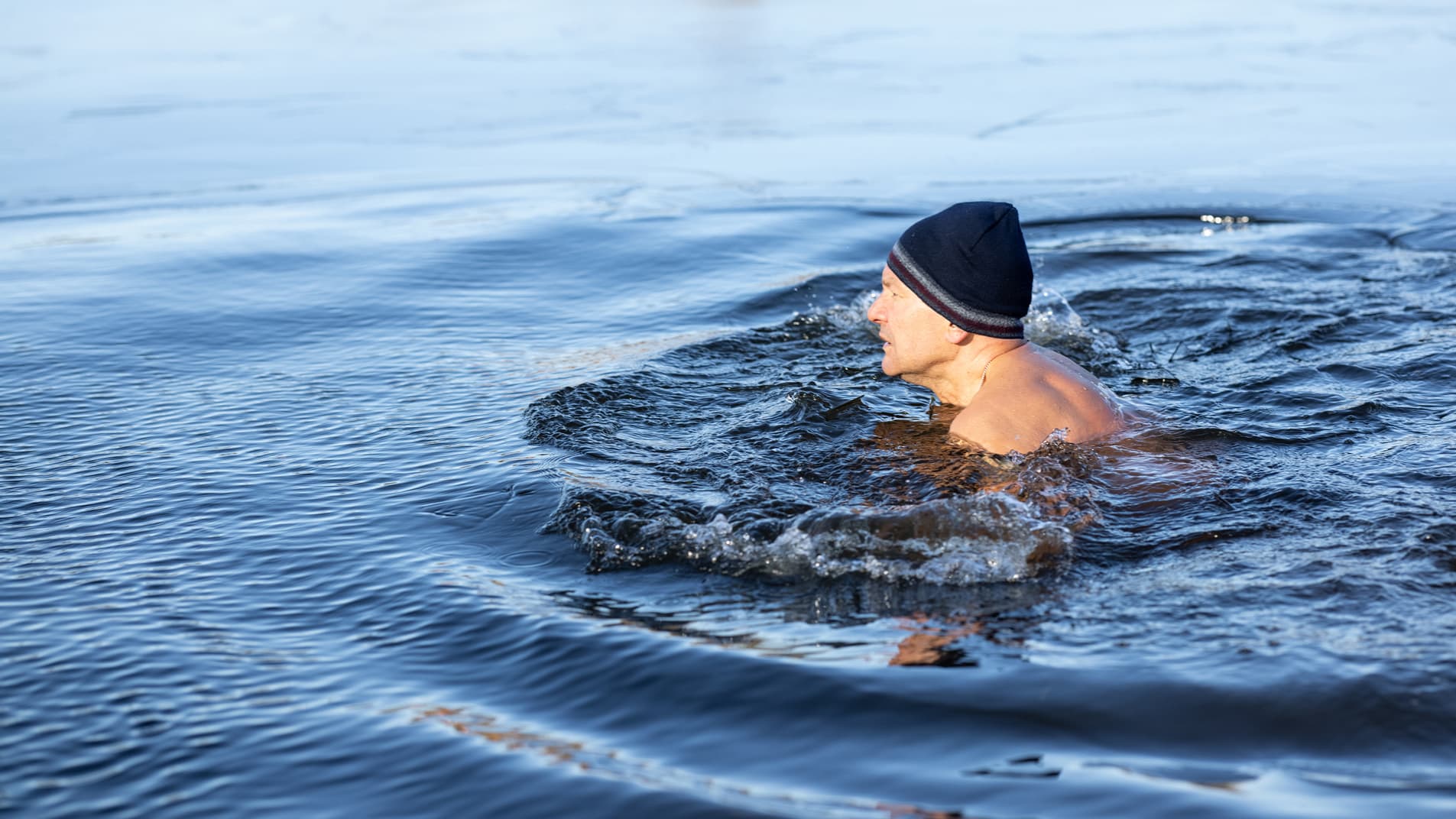
A woman and two men ease down the wooden steps to a hole cut in a frozen lake, snow on the slope behind them and a small building and trees in the distance. That ritual of stripping, stepping and stepping back into near-freezing water is the subject of new work by Tatsiana Padhaiskaya, a researcher at Aalto University School of Business, who set out three years ago to answer a single puzzle: "How can something so physically excruciating be so often described as restorative by participants?"
Padhaiskaya's paper, "Learning to slow down: an inquiry of cold-water swimming in Finland," appears in the European Journal of Marketing and was published 31 October 2025 (DOI: 10.1108/EJM-06-2023-0449). Her central interpretation is sharp and sensory: "It appears that cold-water swimming, which also includes ice-swimming [below 5°C], has a temporal slow-down effect that is especially fascinating in the context of this fast-paced digital world." Padhaiskaya reports that participants "overwhelmingly describe the experience as therapeutic and grounding" and that "even a very short dip - from as little as a couple of minutes - reportedly offered participants comparable mental health benefits to, say, two hours walking in the forest."
Padhaiskaya's qualitative framing sits alongside population and clinical signals from Finnish research. Aalto's press material notes that over 720,000 Finns - roughly one in eight people - are regular cold-water swimmers who voluntarily plunge into water below 15°C about 2-3 times per week. By contrast, a University of Oulu seasonal study tracked 36 winter swimmers over four months and, after a regimen of swimming four times per week, found that "participants showed significantly less tension and fatigue, improved memory and mood, and greater vigor compared to non-swimmers." That Oulu report also records that everyone in the study with chronic pain conditions such as rheumatism, fibromyalgia or asthma reported symptom relief.
Physiological literature cited by reviewers links these subjective gains to measurable mechanisms. Reviews and studies listed in technical summaries cite increases in norepinephrine after cold exposure and hormonal changes that improve stress adaptation and pain tolerance. One synthesis notes that cold-water exposure "can lead to pain reduction or better pain tolerance and relieve tension and fatigue in some cases," while also warning that individual responses vary.
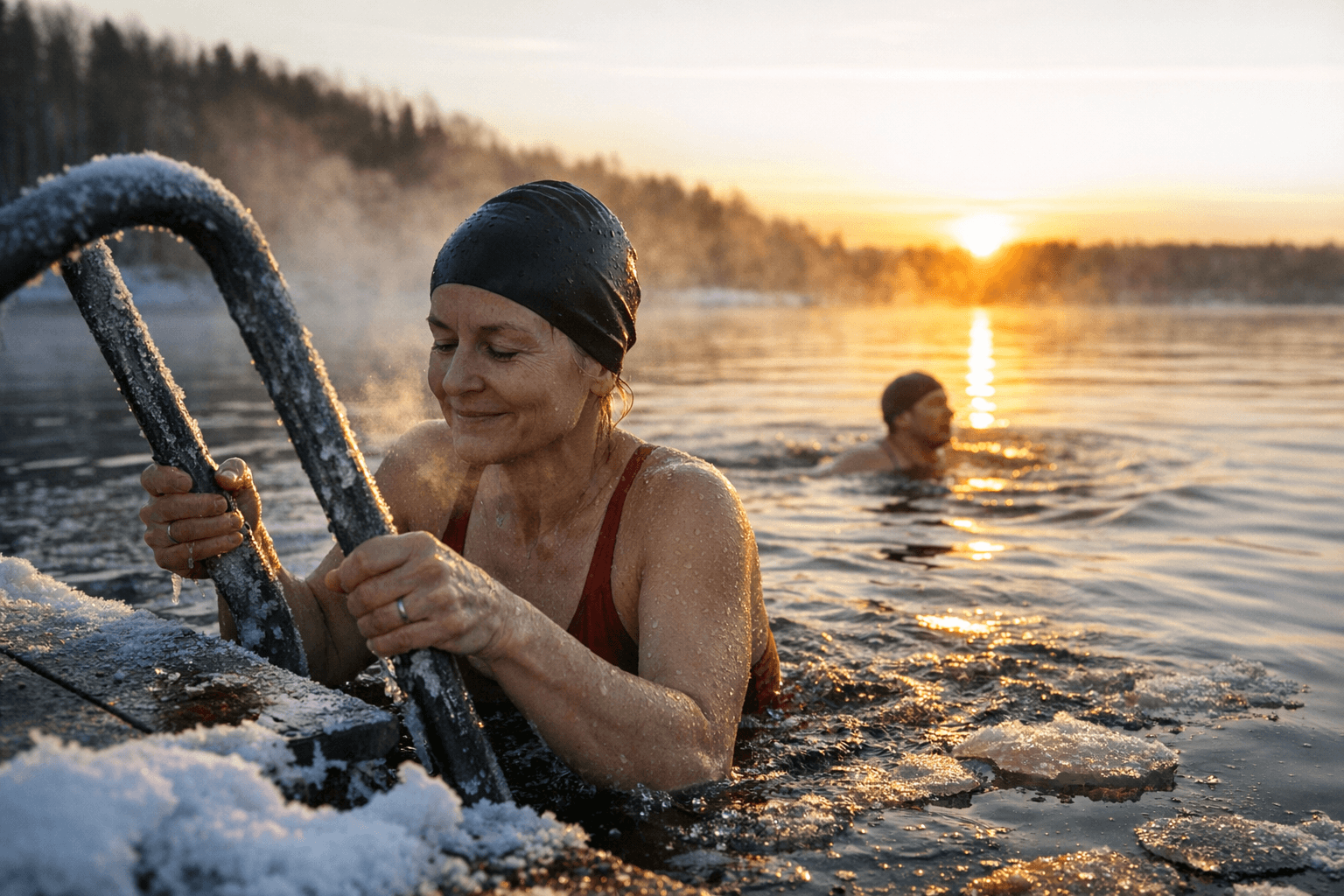
Finnish public-health experts add practical cautions. Sirkka Rissanen, chief researcher at the Finnish Institute of Occupational Health, observes that "cold has the same effect regardless of whether it's air or water, but water conducts heat 25 times more efficiently than air of the same temperature. So water is fast-acting." Rissanen advises that an adult who is basically healthy can try cold-water swimming, but someone with heart disease or high blood pressure should consult a doctor first. Municipalities and associations in Finland have expanded access accordingly, opening more ice-free swimming spots with changing facilities and, in many cases, a sauna.
Padhaiskaya's inquiry, the Oulu seasonal data and the physiological reviews together trace a pattern: short, repeated exposures to cold water can realign mood, reduce fatigue and create a reported sense of slowed time. Rissanen says research will deepen as "new imaging methods become available that enable scientists to study humans at the cellular level," underscoring that while cultural practice and early studies point to benefits, researchers want to map mechanisms and risks in greater detail.
Know something we missed? Have a correction or additional information?
Submit a Tip