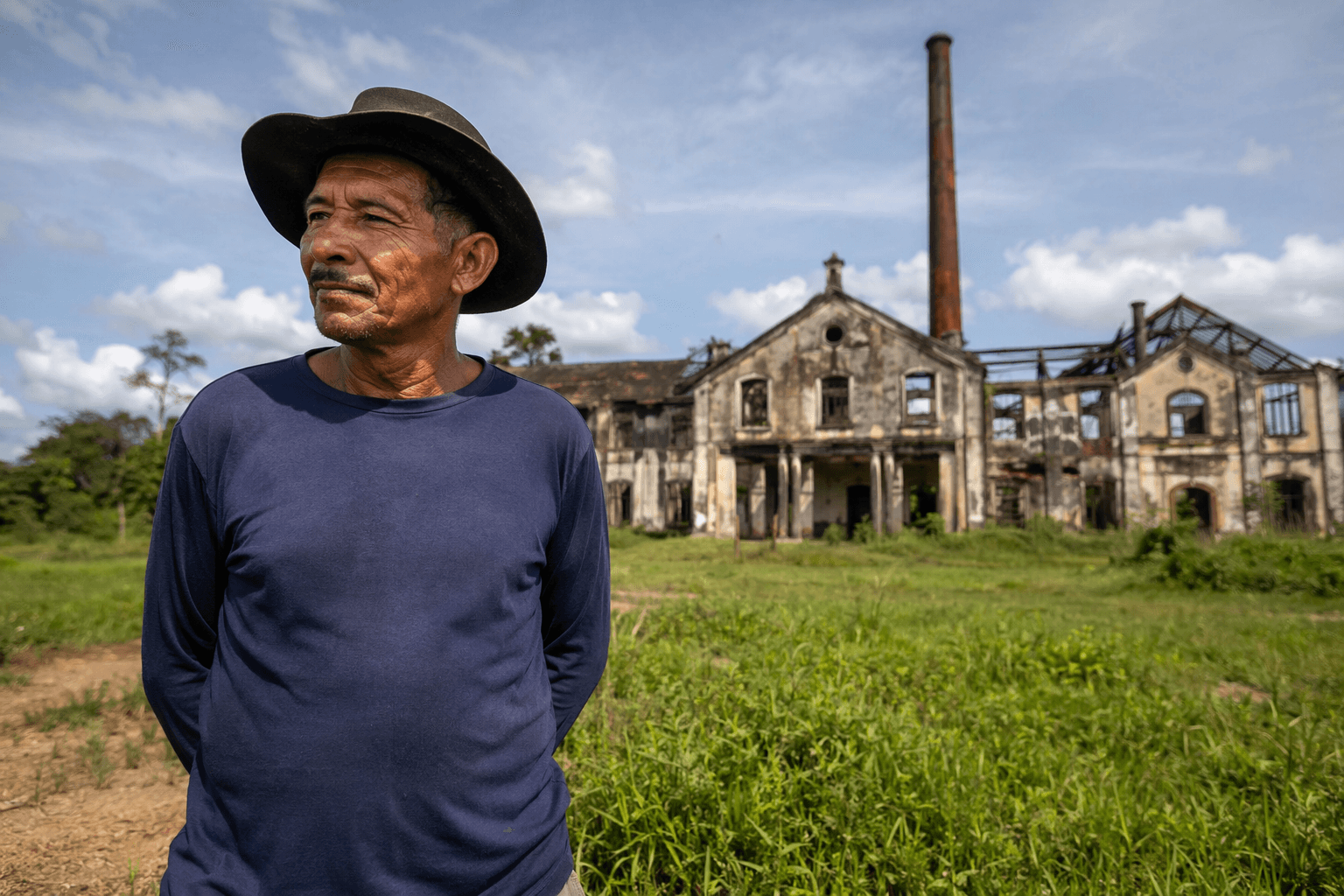
Colombia heads to likely runoff as voters weigh security and Petro’s legacy
Colombia votes Sunday with security fears eclipsing ideology, and a runoff on June 21 looks likely as voters choose Petro’s successor.
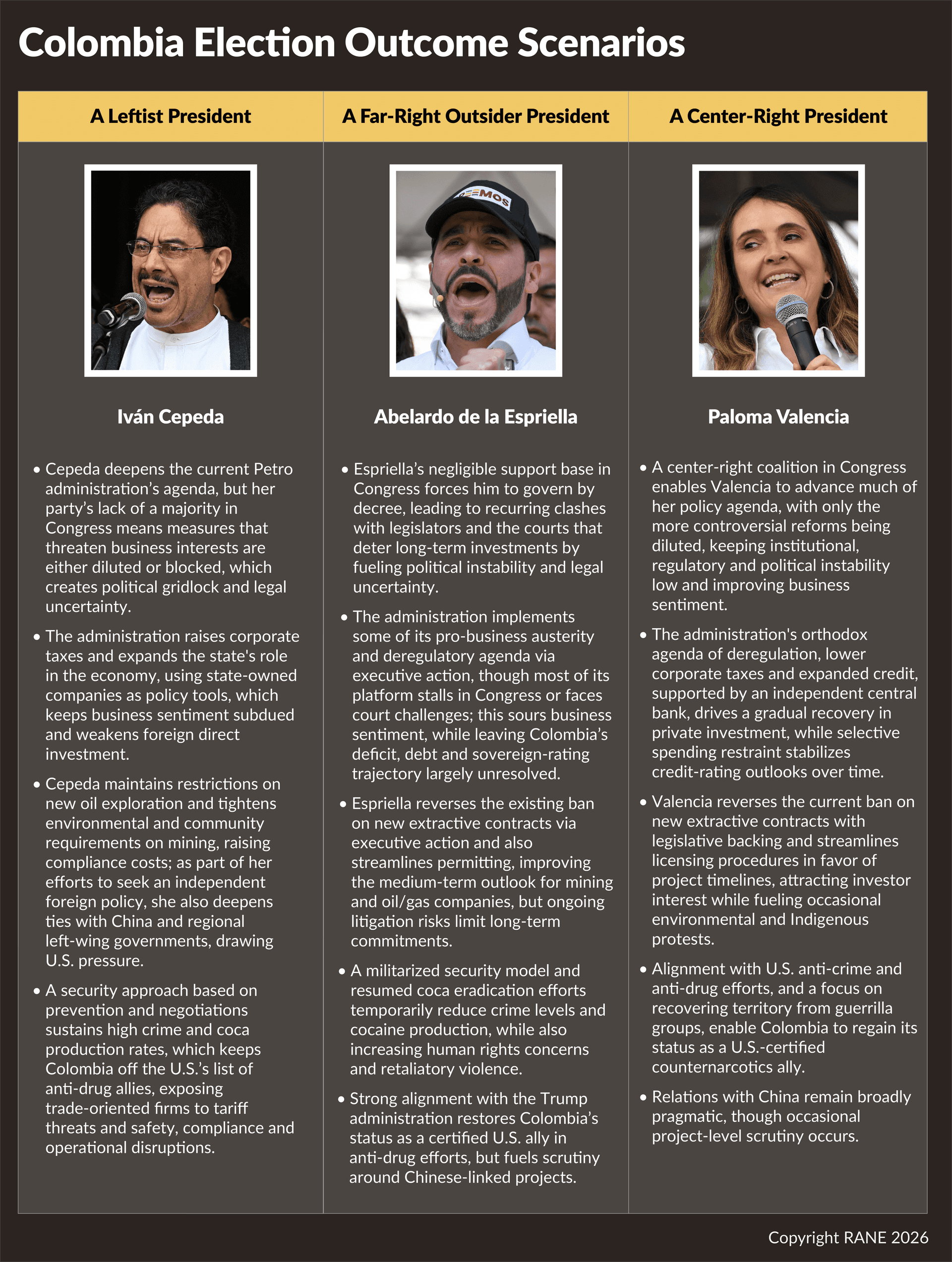
Colombians head to the polls Sunday with more than 41 million eligible voters and a race that is increasingly defined by fear of violence, not just ideology. Polling points to a likely runoff on June 21 unless one candidate wins more than 50 percent outright, and the winner is scheduled to take office on August 7.
The contest has narrowed to three names: Iván Cepeda, the leftist senator backed by President Gustavo Petro’s Historic Pact coalition; Abelardo de la Espriella, an independent right-wing businessman and lawyer; and Paloma Valencia, the center-right senator from the Democratic Center. Cepeda has led the field in polling, while de la Espriella and Valencia have split the conservative vote, leaving the right divided as voters weigh whether to continue Petro’s project or reverse course.
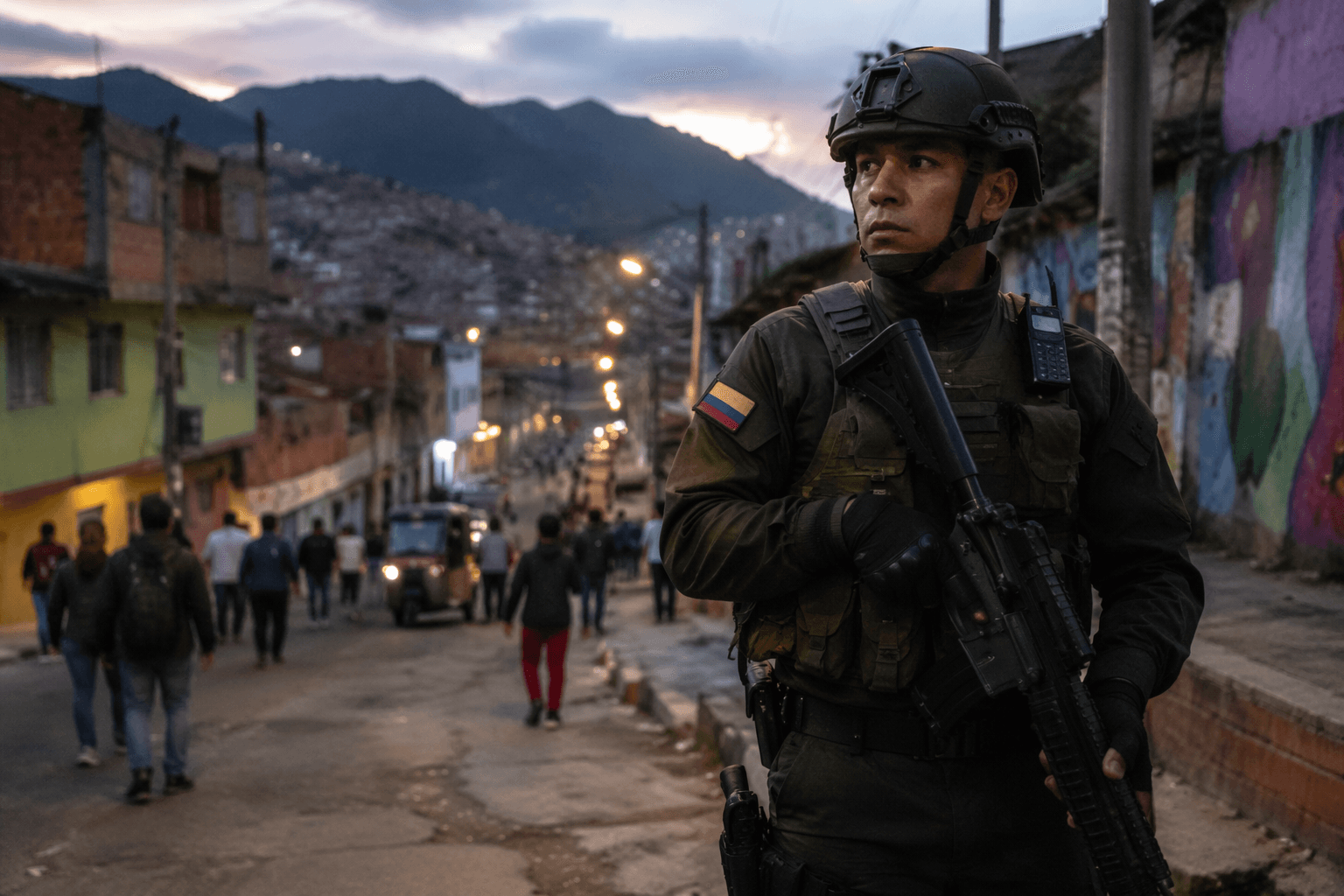
At the center of the election is Petro’s legacy. The president is constitutionally barred from seeking reelection, but his government still dominates the campaign. Supporters point to labor reform and higher minimum wages. Critics blame Petro’s security strategy and his “total peace” talks with armed groups for emboldening criminal organizations and helping drive record cocaine production. The result is an electorate pulled in opposite directions by the promise of social change and the demand for order.
That tension has intensified after a turbulent year marked by renewed violence, threats against candidates and the June 2025 assassination of presidential hopeful Miguel Uribe Turbay. Violence and corruption have ranked among the most urgent concerns for voters, and some U.S. lawmakers have also raised alarms about political violence and Petro’s counterdrug and security policies. For many Colombians, the choice is less about left versus right than whether the next president can restore a sense of state control.
The institutional stakes are just as high. Colombia’s March 8 legislative elections produced a fragmented Congress that reflected the country’s polarization, with the Historic Pact winning the largest bloc in both chambers but falling short of a governing majority. That split all but guarantees the next president will need cross-party alliances to govern, especially if the race follows the same pattern as 2022, when no candidate won the first round and Petro prevailed in the runoff.
This article was produced by Prism’s automated news system from verified source data, official records, and press releases, then run through automated quality and moderation checks before publishing. The system is built and supervised by the people who set the standards it runs under. Read our full AI policy.
Know something we missed? Have a correction or additional information?
Submit a Tip