Colombia heads to referendum on Petro era as right surges
Colombia’s left leads, but far-right outsider Abelardo de la Espriella has surged as voters fixate on crime, corruption and Petro’s legacy.

Colombia’s presidential vote on Sunday will serve as a blunt verdict on Gustavo Petro’s four-year project, with the country’s first leftist president barred by the constitution from seeking reelection. The race has hardened into a referendum on whether Petro’s agenda can survive, or whether frustration over insecurity and stagnation will push Colombia sharply to the right.
Iván Cepeda, the left’s standard-bearer and an ally of Petro’s Historic Pact coalition, has led the field in polling. He has promised to deepen social and economic reforms, narrow inequality and keep peace talks alive with illegal armed groups. On the other side stands Abelardo de la Espriella, a hard-right outsider known as “El Tigre,” who has built momentum by campaigning on a tougher anti-crime message. De la Espriella says he would end negotiations with armed groups, crack down on drug trafficking and open the door wider to private investment, especially in mining and energy.
The contest has also included Paloma Valencia, the center-right candidate, but the campaign’s center of gravity has shifted toward Cepeda and De la Espriella as voters weigh public safety against continuity. The official ballot was finalized on March 25, and the field reflected a broader realignment in Colombian politics, where the left’s hold on power is being tested by a resurgent conservative bloc.
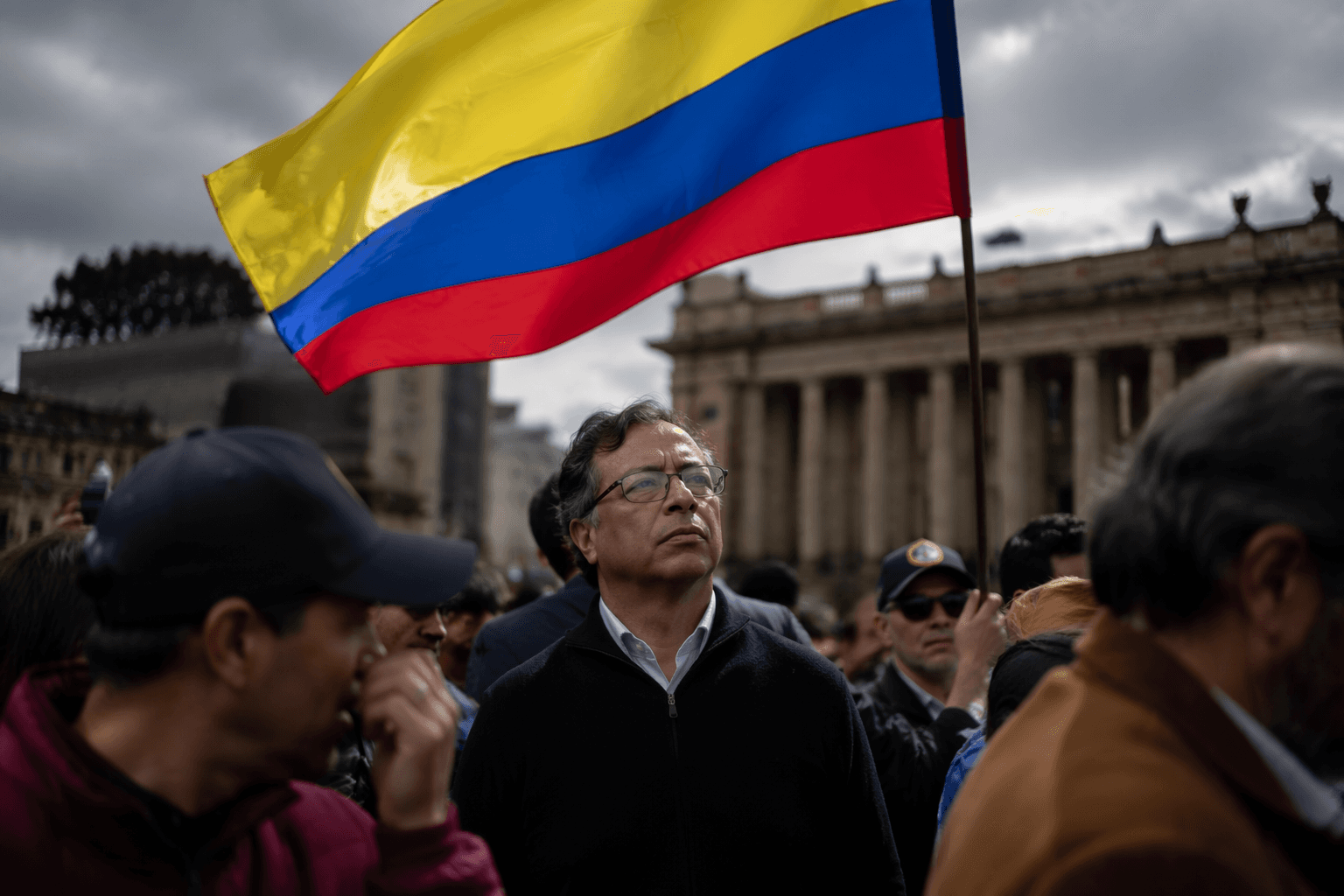
That shift has played out against a tense backdrop. Two campaign workers for De la Espriella were killed in Colombia’s southeast on May 16, underscoring how political violence has shadowed the first round of voting. The campaign season has also been marked by killings of campaign workers and an assassination attempt on presidential hopeful Miguel Uribe Turbay, feeding a sense that the election is unfolding amid a broader breakdown in trust and security.
For many voters, the core questions have been less ideological than practical: whether corruption can be contained, whether violence can be reduced, and whether the economy can regain momentum. Analysts say the result will help show whether Colombia’s left can remain resilient after Petro, elected in 2022 as the country’s first-ever leftist president, or whether voters are ready to hand the state to a harder-edged opposition. Across Latin America, where inflation, crime and institutional distrust continue to reshape politics, Colombia is now a live stress test for the region’s left.
This article was produced by Prism’s automated news system from verified source data, official records, and press releases, then run through automated quality and moderation checks before publishing. The system is built and supervised by the people who set the standards it runs under. Read our full AI policy.
Did this article answer your question?


