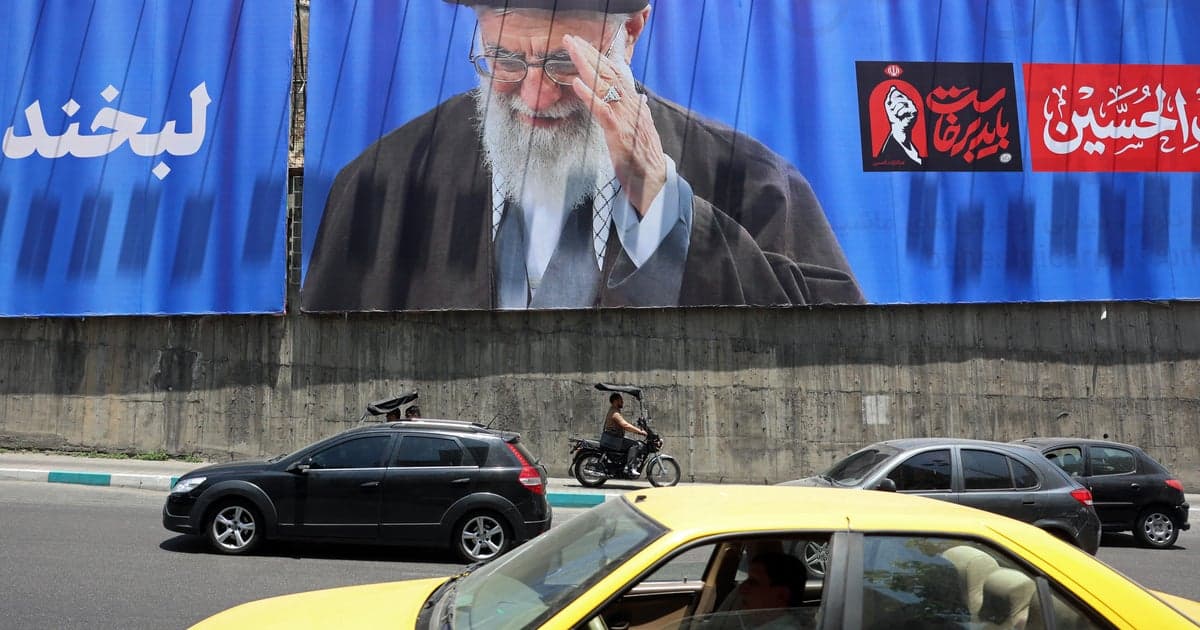
Colombia heads to runoff as security fears shape tight race
Security fears pushed Colombia into a razor-thin runoff, with Abelardo de la Espriella and Iván Cepeda separated by 2.84 points after a first round marked by violence.
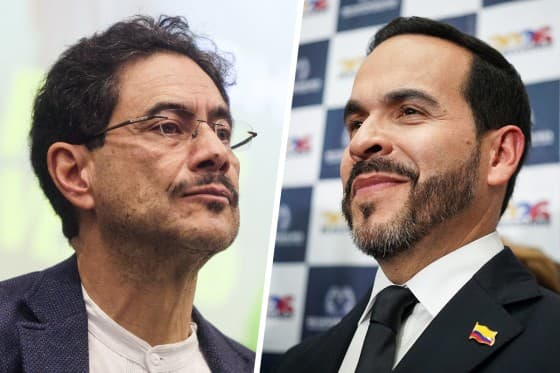
Security fears dominated Colombia’s presidential runoff as voters chose between Abelardo de la Espriella, a hard-right outsider backed by Donald Trump, and Iván Cepeda, the leftist senator tied to Gustavo Petro’s peace agenda. The contest was separated by just 2.84 percentage points in the first round, a sign that violence and state authority had overtaken ideology as the country’s central political fault line.
Official results from Colombia’s electoral authorities gave de la Espriella 43.74 percent in the May 31 first round and Cepeda 40.90 percent, after 13 candidates fragmented the field. Petro, who is barred by the constitution from seeking re-election, turned the vote into a referendum on his government’s “total peace” strategy and on whether Colombia should double down on negotiations or return to a harder security posture. The winner was set to take office for a single four-year term beginning August 7.

The campaign unfolded against a worsening humanitarian and security crisis. UNHCR said 2025 was one of Colombia’s worst humanitarian years in a decade, with large-group internal displacement up 85 percent and confinement up 68 percent compared with 2024. The agency verified 248 humanitarian emergencies, which produced about 296,088 newly internally displaced people and more than 192,000 people trapped in place and unable to move safely or reach services. Rural communities in Norte de Santander, Antioquia, Cauca, Bolívar, Nariño and Chocó were among the hardest hit, and Catatumbo accounted for much of the displacement early in 2025.
That backdrop has made armed groups central to the vote. Human rights groups and UN agencies say violence has returned nearly a decade after the 2016 peace accord with the FARC, with dissident FARC factions, the ELN and the Clan del Golfo shaping daily life in parts of the country. The 2016 accord ended a five-decade conflict, but it never fully extinguished armed control in rural Colombia, and the new surge of displacement has sharpened doubts about the state’s reach beyond major cities.
Security concerns also reached the campaign itself. The Inter-American Commission on Human Rights said several candidates and political leaders received threats, and it cited the kidnapping of vice-presidential candidate Aida Quilcué on February 10. To bolster confidence in the vote, the Organization of American States deployed 95 observers and specialists from 22 countries across 26 departments under a mission led by Leonel Fernández.
For Washington, the runoff carried immediate regional stakes. De la Espriella’s explicit backing from Trump pulled U.S. politics into a close Colombian race and drew accusations of interference from Petro. Cepeda’s pledge to continue negotiations and preserve social reform pointed to a different path for one of Washington’s closest Latin American partners, at a moment when Colombia’s instability, migration pressures and rural violence remain deeply connected to the broader hemisphere.
This article was produced by Prism’s automated news system from verified source data, official records, and press releases, then run through automated quality and moderation checks before publishing. The system is built and supervised by the people who set the standards it runs under. Read our full AI policy.
Did this article answer your question?