Colombia hosts 60 nations in first fossil-fuel phaseout summit
Santa Marta is hosting about 60 governments for the first summit focused only on phasing out coal, oil and gas, a test of whether a willing coalition can outpace UN climate talks.
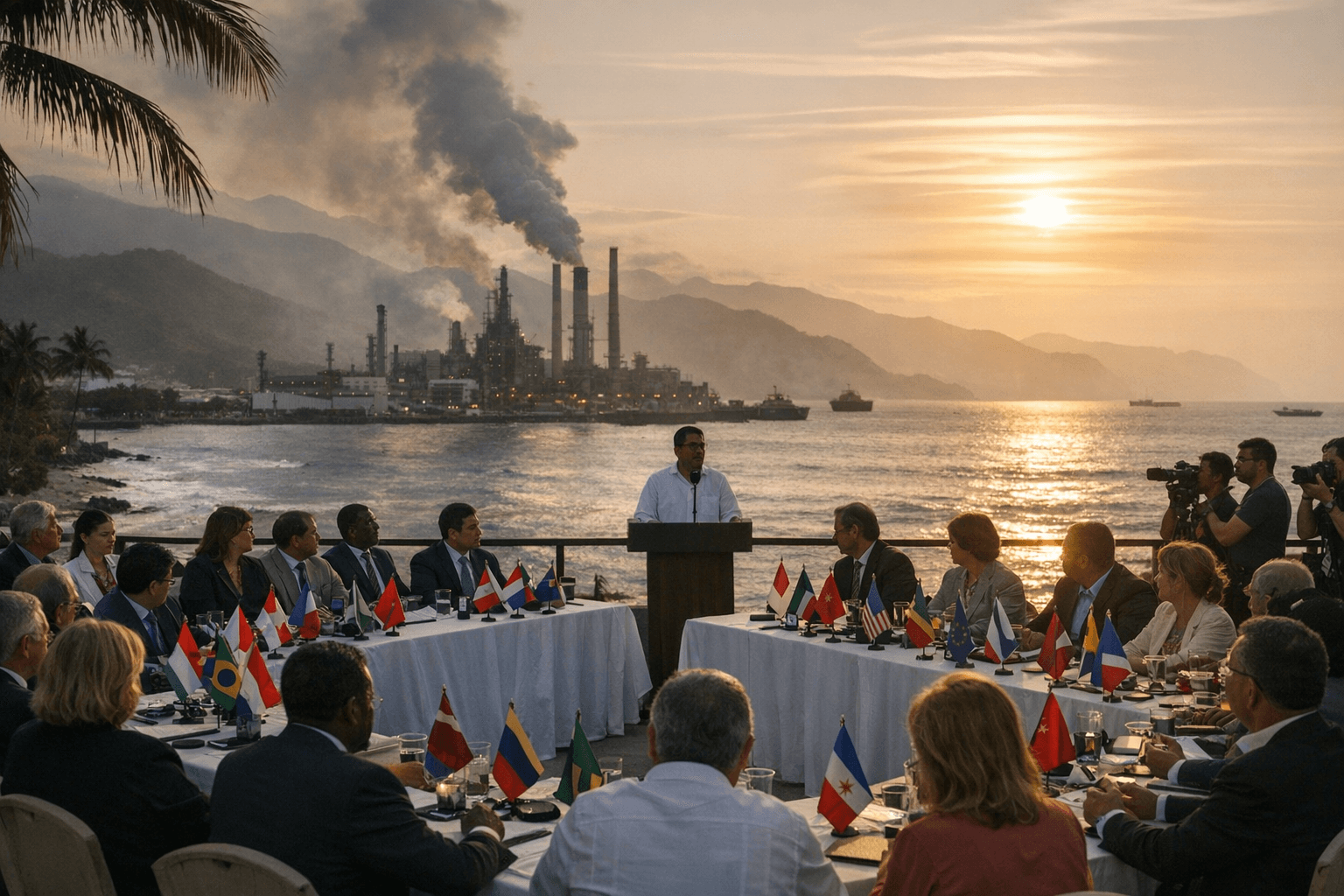
Santa Marta, a Caribbean port city long tied to coal exports, is hosting about 60 governments for the first global summit devoted solely to phasing out fossil fuels. The First Conference on Transitioning Away from Fossil Fuels runs from April 28-29, 2026, after pre-summit activity that began April 24, and Colombia and the Netherlands have framed it as a new diplomatic track aimed directly at coal, oil and gas.
The meeting arrives after years of frustration with the pace of the formal U.N. climate process. COP28’s global stocktake called on parties to contribute, in a nationally determined manner, to a transition away from fossil fuels in energy systems in a just, orderly and equitable manner, but that language stopped short of a detailed roadmap. Organizers are now trying to see whether a coalition of willing countries can move faster than the broader negotiations and turn that language into concrete action.

That is what gives the Santa Marta talks unusual significance. Scientists advising the summit have reportedly urged governments to consider halting all new fossil-fuel expansion and rejecting gas as a bridging fuel, recommendations that would go beyond symbolic declarations and start to affect production plans, financing decisions and national timelines. The sharpest test for the summit will be whether countries are willing to translate broad support into policy commitments that slow licensing, redirect public finance and narrow the window for new coal, oil and gas development.
Earlier confirmations put participation at 45 countries plus Colombia and the Netherlands, and more than 2,600 organizations had expressed interest in the process. The Least Developed Countries Group called the conference an important platform to advance the transition away from fossil fuels, underscoring the push from vulnerable nations for faster action ahead of larger talks, including COP31. A second convening is also expected to be led by Pacific nation-states, suggesting that Santa Marta may become a template for regional follow-up rather than a one-off gathering.
For Colombia, the choice of Santa Marta is politically charged as well as symbolic. A city associated with coal exports is now being used to challenge the fuel that helped define its place in global trade, and the outcome will help show whether this first-of-its-kind summit becomes a real workaround to U.N. paralysis or just another declaration waiting for consensus that never comes.
This article was produced by Prism’s automated news system from verified source data, official records, and press releases, then run through automated quality and moderation checks before publishing. The system is built and supervised by the people who set the standards it runs under. Read our full AI policy.
Did this article answer your question?


