Ruto sparks backlash after praising Kenyan English and mocking Nigerians' accents
Ruto’s Rome jab at Nigerian accents turned a language boast into a diplomatic insult, reviving old fault lines over class, colonialism and African prestige.
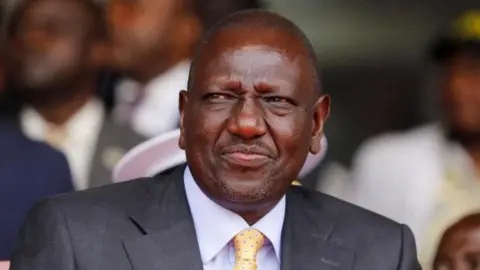
William Ruto turned a meeting with Kenyans in Rome into a diplomatic flashpoint when he praised Kenyan English and mocked Nigerian accents, drawing angry reactions from Nigerians and other Africans who saw the remarks as needlessly dismissive of a fellow African country.
Ruto told the gathering on April 20, 2026, that Kenyans speak “some of the best English in the world.” He cast the comment as a compliment to Kenya’s education system and human capital, saying, “Our education is good. Our English is good.” He then added that if someone listens to a Nigerian speaking English, “you need a translator.” That line, delivered to Kenyans living in Italy, spread quickly online and landed badly across the continent.
The backlash was about more than accents. In post-colonial Africa, English is often linked to schooling, professionalism and social status, which made Ruto’s joke feel to many like a judgment on intelligence and national worth. Former Nigerian senator Shehu Sani argued online that English is a colonial language and not a measure of intelligence, capability or progress, pointing to Nigeria’s literary stature through Wole Soyinka, Chinua Achebe and Chimamanda Ngozi Adichie. The reaction underscored how quickly language can become a proxy for class and power.
The episode also tapped into a real, measurable contrast. The 2025 EF English Proficiency Index ranked Kenya 19th globally with a score of 593 and Nigeria 29th with 568, based on test results from 2.2 million adults in 123 countries and regions. Kenya’s stronger showing, including higher speaking and listening scores on EF’s country page, gives some support to Ruto’s claim about Kenyan proficiency. But formal rankings do not settle the deeper issue: both Kenya and Nigeria are former British colonies with English as an official language, and each country’s spoken English has been shaped by local languages and history.

Nigeria has more than 500 languages, which has helped produce a distinct cadence and intonation in English. Kenya’s version of English is also shaped by Bantu, Nilotic and Cushitic influences. That linguistic diversity is part of the region’s identity, not a defect, which is why Ruto’s joke was read by many as a slight rather than a compliment.
The row came just 10 days after Bola Tinubu, speaking in Bayelsa State on April 10, compared Nigeria favorably with Kenya and other African countries while addressing fuel-price pain at home. Together, the remarks showed how presidents can reach for cross-border comparisons to bolster domestic standing and end up triggering nationalist backlash instead. For Ruto, the immediate damage is likely reputational rather than electoral, but the episode has already complicated Kenya-Nigeria relations and exposed how easily elite banter can become a diplomatic misstep.
This article was produced by Prism’s automated news system from verified source data, official records, and press releases, then run through automated quality and moderation checks before publishing. The system is built and supervised by the people who set the standards it runs under. Read our full AI policy.
Did this article answer your question?