Heatwave warnings issued across northern India as temperatures soar above 40C
Delhi crossed 40C as India’s weather office warned heatwave conditions could persist for days, threatening workers, schools and power-hungry cities.
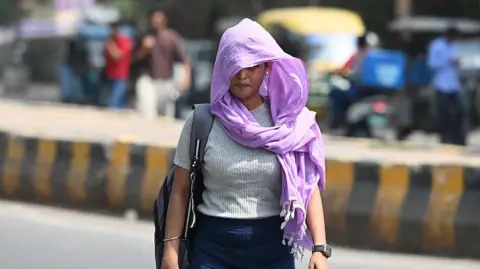
Parts of Delhi crossed 40C on Thursday, turning the capital into one of its hottest days of 2026 so far as the India Meteorological Department warned that northern India faced several more days of dangerous heat. Forecasts cited in Indian media put Delhi-NCR, Haryana, Uttar Pradesh and Rajasthan in the 42C to 45C range, with temperatures across northern and central India expected to climb another 2C to 3C.
The weather office said on April 24 that heatwave conditions were likely over the plains of northwest and central India for the next three to four days, after warning on April 20 that isolated pockets of northwest, central and adjoining east India were very likely to face heatwave conditions over four to five days. Its districtwise bulletin listed heatwave warnings for April 24 to April 28, suggesting the risk would not be confined to a single hot afternoon.
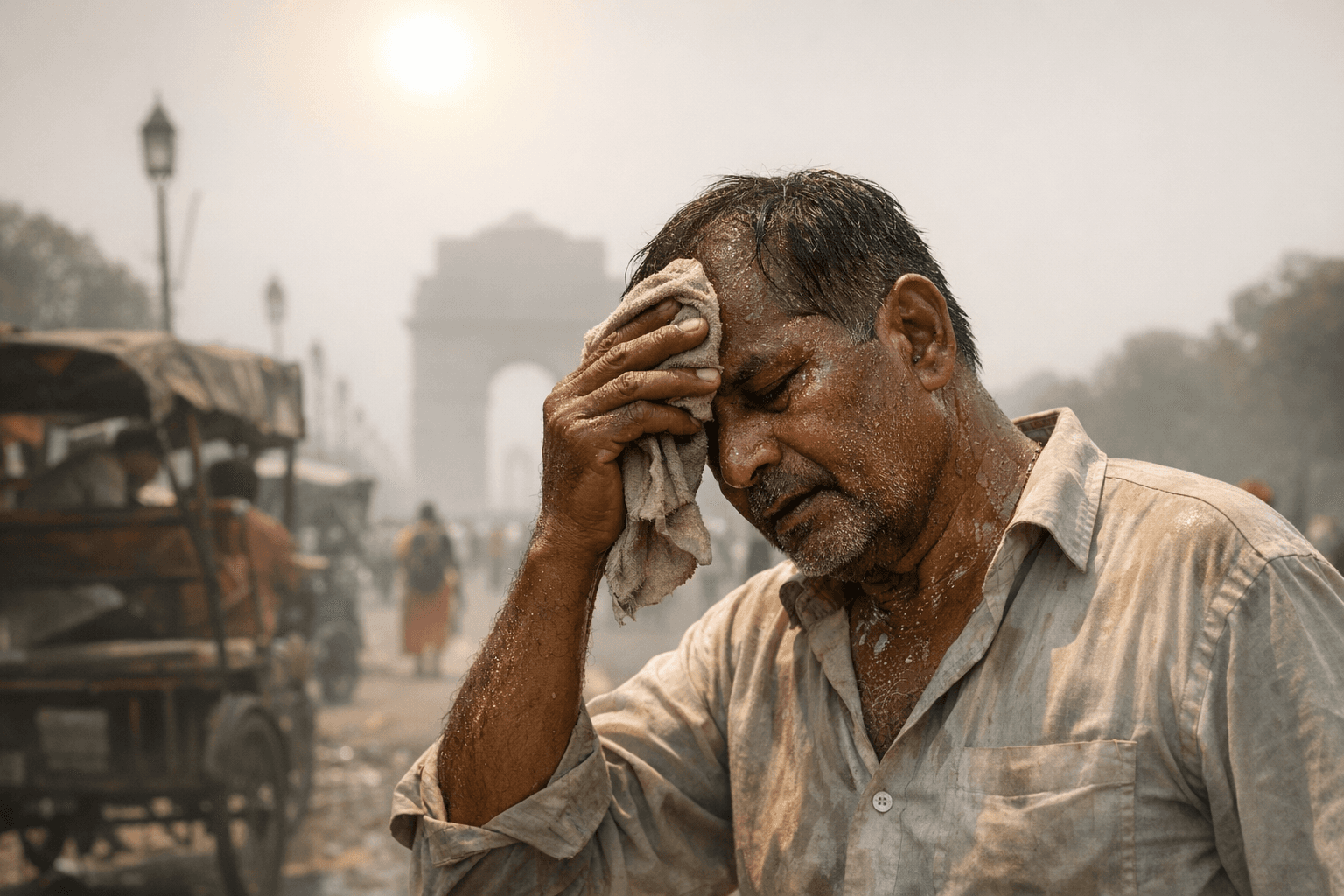
Delhi’s Safdarjung observatory remains the benchmark for an official heatwave declaration in the city. The India Meteorological Department counts a heatwave in the plains when temperatures rise above 40C and stand at least 4.5C above normal for two consecutive days; a maximum of 45C or more triggers a heatwave automatically. That standard matters because it determines when officials escalate alerts, schools adjust schedules and hospitals prepare for a surge in heat-related illness.

Delhi’s education department had already moved to limit exposure in schools, telling institutions to stop open-air classes, curtail outdoor assemblies or shift them indoors, and ring a bell every 45 to 60 minutes to remind children to drink water. The measures underscored how quickly extreme heat had moved from a forecast to a daily operational problem for classrooms, buses and neighbourhoods where shade and cooling are unevenly available.
The burden of the heat is falling hardest on people with the least protection: outdoor workers, low-income families and residents of dense urban areas where concrete and traffic trap heat well into the night. Experts warned that prolonged exposure can cause dehydration, heatstroke, cardiovascular stress and death, especially among the elderly, infants and outdoor workers. A 2024 Lancet study found nearly one-third of India’s heatwave days that year were driven by climate change, and estimated that heat exposure wiped out 247 billion potential labour hours and about $194bn in economic losses, with agriculture and construction among the hardest hit.
This article was produced by Prism’s automated news system from verified source data, official records, and press releases, then run through automated quality and moderation checks before publishing. The system is built and supervised by the people who set the standards it runs under. Read our full AI policy.
Did this article answer your question?