U.S. offers $5 million reward for capture of Sinaloa Cartel leader El Guano
U.S. officials are offering up to $5 million for El Guano, even as Mexican troops seized 10 of his allies in a mountain stronghold.
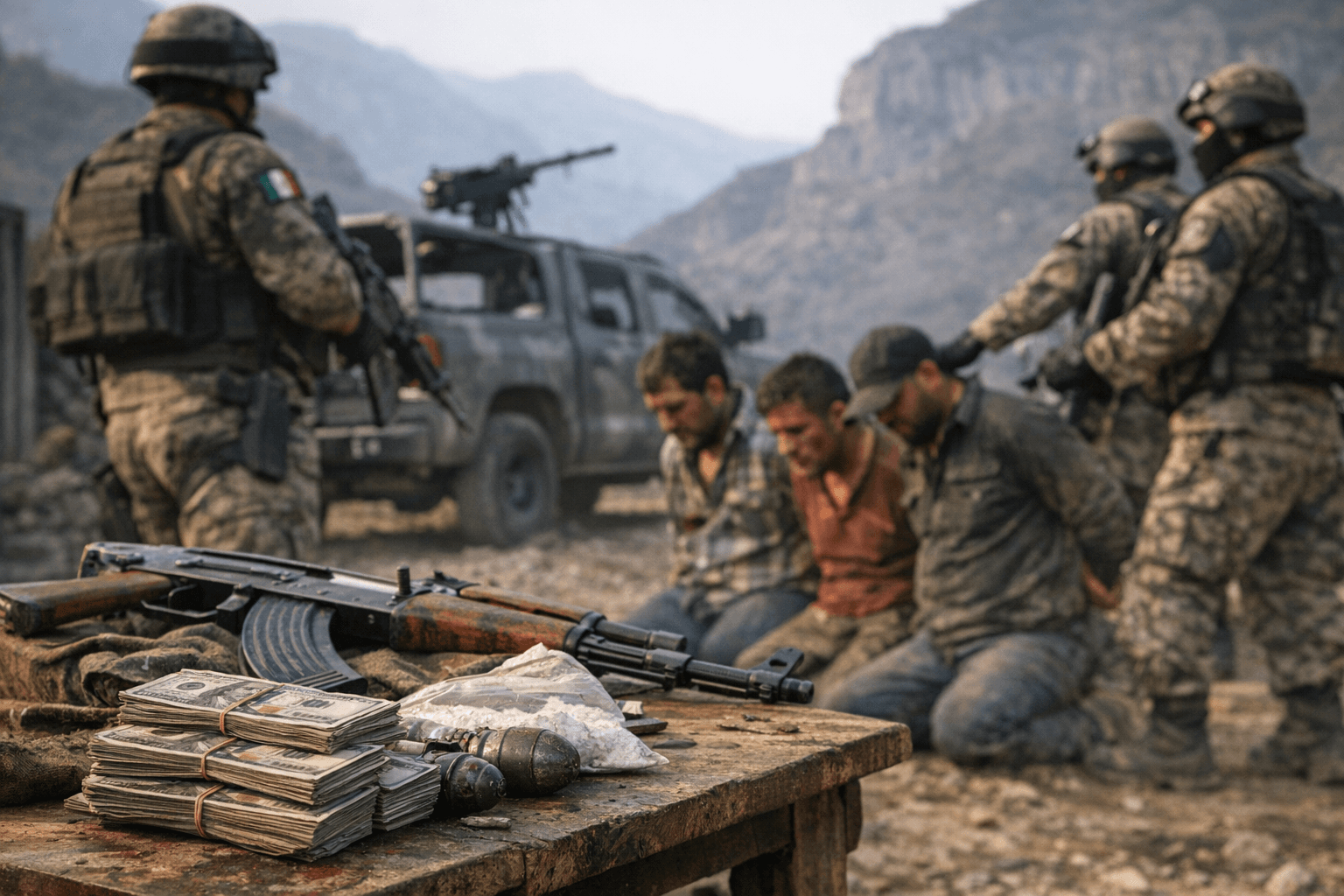
Mexican soldiers have cut into Aureliano Guzmán Loera’s circle, but the operation stopped short of the man Washington has hunted for years. The U.S. State Department is offering up to $5 million for information leading to the arrest and conviction of the Sinaloa Cartel figure known as El Guano, a high-ranking member of the group and brother of Joaquín “El Chapo” Guzmán.
The reward notice, dated November 10, 2021, places Guzmán Loera in the cartel’s Gente de Guano faction, a designation that underscores how deeply the group remains tied to a local power base in the Sierra Madre. Mexican soldiers detained 10 members linked to that faction in Tamazula, near the Durango-Sinaloa border, in an operation backed by U.S. intelligence. Among those arrested were three men described by Mexican officials as some of El Guano’s closest allies: a right-hand man, a chief bodyguard and a financial and logistical aide.
The arrests amount to a tactical hit on the network that sustains Guzmán Loera’s operations in the mountains. They also show how much of the cartel’s day-to-day strength depends on trusted lieutenants, couriers and enforcers who can be replaced, even if not instantly. What remains unchanged is the larger command structure. Reports after the operation said El Guano remained at large, and the earlier December deployment of Mexican marines to the same region also failed to bring him in.
That gap matters because the Sinaloa Cartel is still one of the main engines of fentanyl, methamphetamine and cocaine trafficking into the United States. The DEA says the organization uses clandestine laboratories in Mexico and broad U.S. distribution networks, giving it resilience even when authorities knock out a local cell or seize a cache of operatives. In that context, the Tamazula arrests may slow movement through one corridor, but they do not appear to have altered the cartel’s core trafficking capacity.
The episode also fits a long-running pattern of U.S.-Mexico cooperation aimed at cartel leadership and their inner circles. Intelligence sharing helped shape the latest operation, but the result was familiar: a pressure point hit, a cluster of associates detained, and the principal target still outside custody. For Washington and Mexico City, the question is not whether the arrest of 10 men matters. It does. The harder question is whether it meaningfully weakens a cartel network built to absorb losses and keep moving narcotics north.
This article was produced by Prism’s automated news system from verified source data, official records, and press releases, then run through automated quality and moderation checks before publishing. The system is built and supervised by the people who set the standards it runs under. Read our full AI policy.
Did this article answer your question?


