Hezbollah Rejects Extended Israel-Lebanon Ceasefire Amid Fresh Cross-Border Violence
Hezbollah called the truce “meaningless” hours after Washington extended it three weeks, even as Israeli strikes and retaliation kept the Lebanon front active.
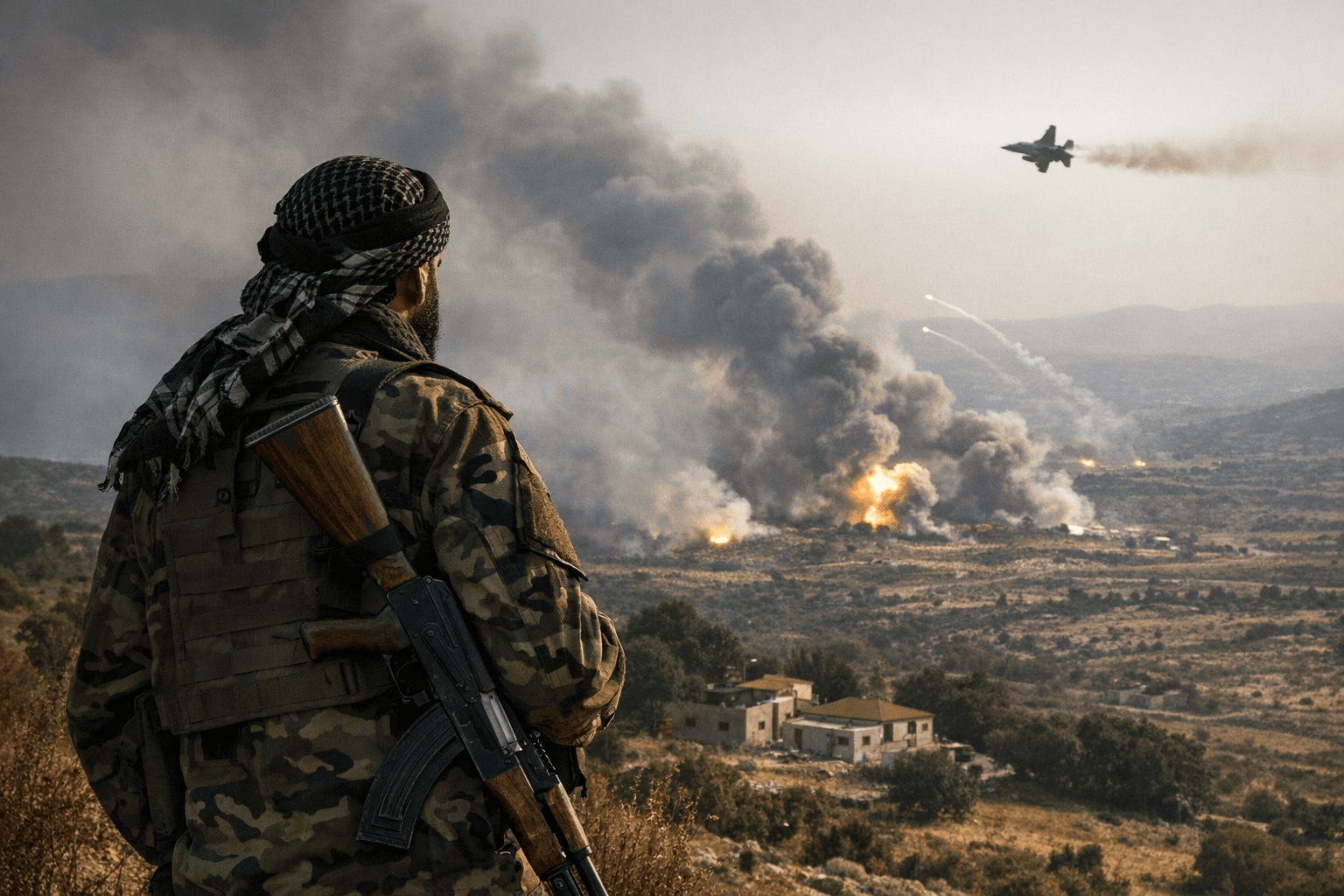
Hezbollah has rejected the newly extended Israel-Lebanon ceasefire, a sharp signal that the truce is holding by force of habit rather than by trust. Ali Fayyad, a Hezbollah lawmaker, said the arrangement was “meaningless” because Israeli attacks in south Lebanon continued, including what he described as assassinations, shelling, gunfire and the demolition of villages and towns in the south.
The timing matters. Donald Trump announced on April 23, 2026, that the ceasefire between the governments of Lebanon and Israel would be extended by three weeks after White House meetings with the Israeli and Lebanese ambassadors. JD Vance and Marco Rubio were also present at the Oval Office talks, and Trump called the meeting “very successful,” saying Washington would work with Lebanon to help it protect itself from Hezbollah. The original ceasefire was due to expire on April 26.
Hezbollah’s language looks like more than a negotiating flourish. By insisting that any Israeli aggression against any Lebanese target gives the “resistance” the right to respond proportionately, the group is trying to preserve deterrence while avoiding the political cost of appearing to accept a weaker posture after months of fighting. But the words also reflect a battlefield reality: cross-border violence did not pause with the paperwork. Israeli strikes killed at least five people, including a journalist, the day before the extension, and Israeli forces struck several Hezbollah sites in southern Lebanon after Hezbollah fire into Israel on Friday.
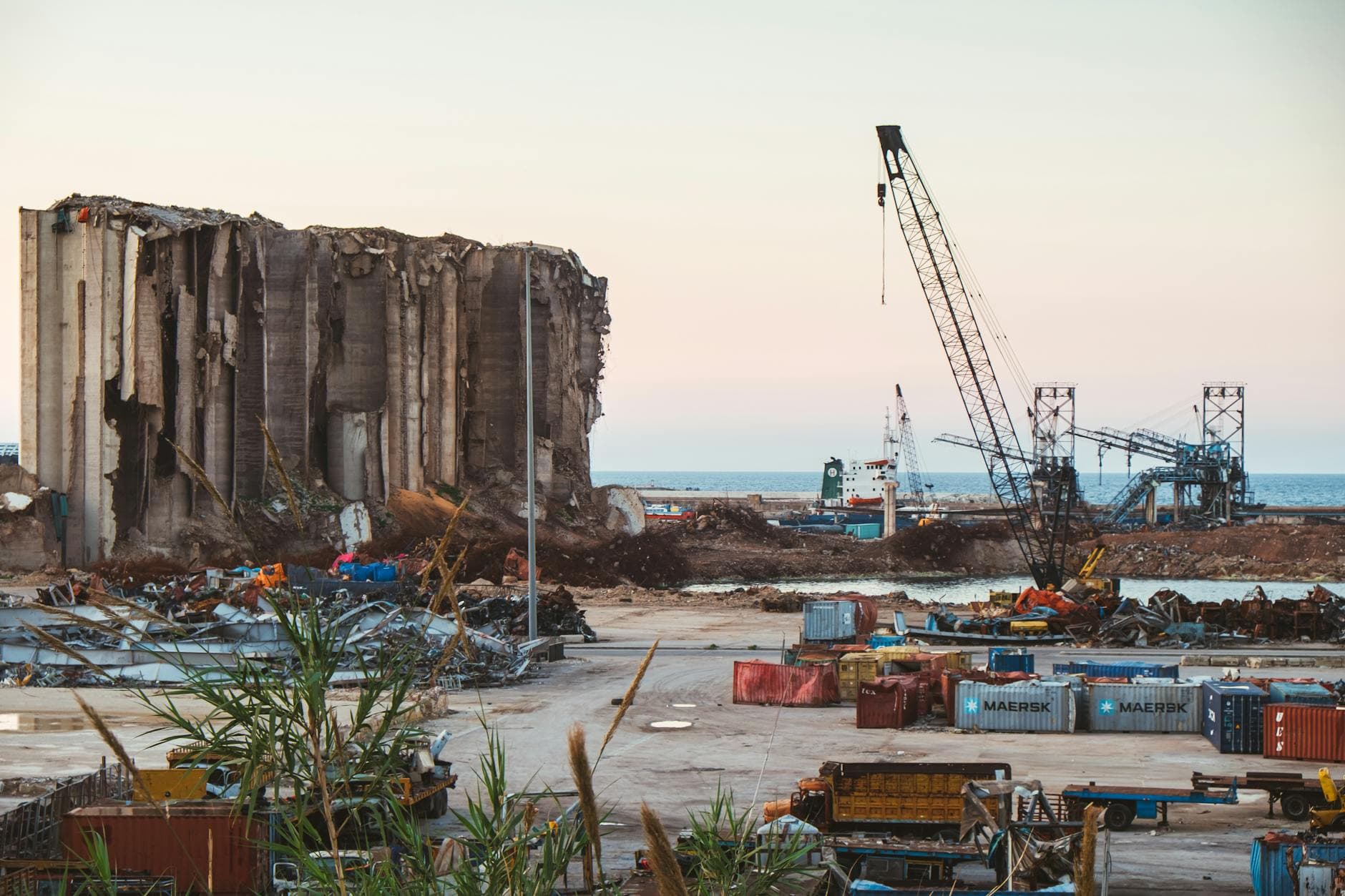
That makes the ceasefire extension fragile rather than secure. The immediate trigger for renewed fighting would be continued Israeli strikes in south Lebanon, especially if they hit populated areas, senior Hezbollah figures or symbolic infrastructure such as villages already under demolition. A second trigger would be a Hezbollah rocket or anti-tank response that produces Israeli casualties and invites a larger military reply. Each exchange raises the odds that the truce becomes a temporary pause instead of a durable separation line.
The wider backdrop is even more combustible. The United States and Iran remain locked in a costly standoff over the Strait of Hormuz, and that tension shapes Hezbollah’s calculations as much as Israel’s. If pressure on Iran intensifies, or if Tehran decides the Lebanon front can be used to signal resolve without triggering all-out war, the border can turn quickly from rhetorical brinkmanship into another round of sustained fighting. For now, the ceasefire is extended, but the violence on the ground suggests it is still one miscalculation away from collapse.
This article was produced by Prism’s automated news system from verified source data, official records, and press releases, then run through automated quality and moderation checks before publishing. The system is built and supervised by the people who set the standards it runs under. Read our full AI policy.
Did this article answer your question?