Moldova ends energy state of emergency as power crisis eases
Parliament ended Moldova’s energy emergency after a line outage left a nearly 400 MW deficit and exposed how fragile the grid remains.
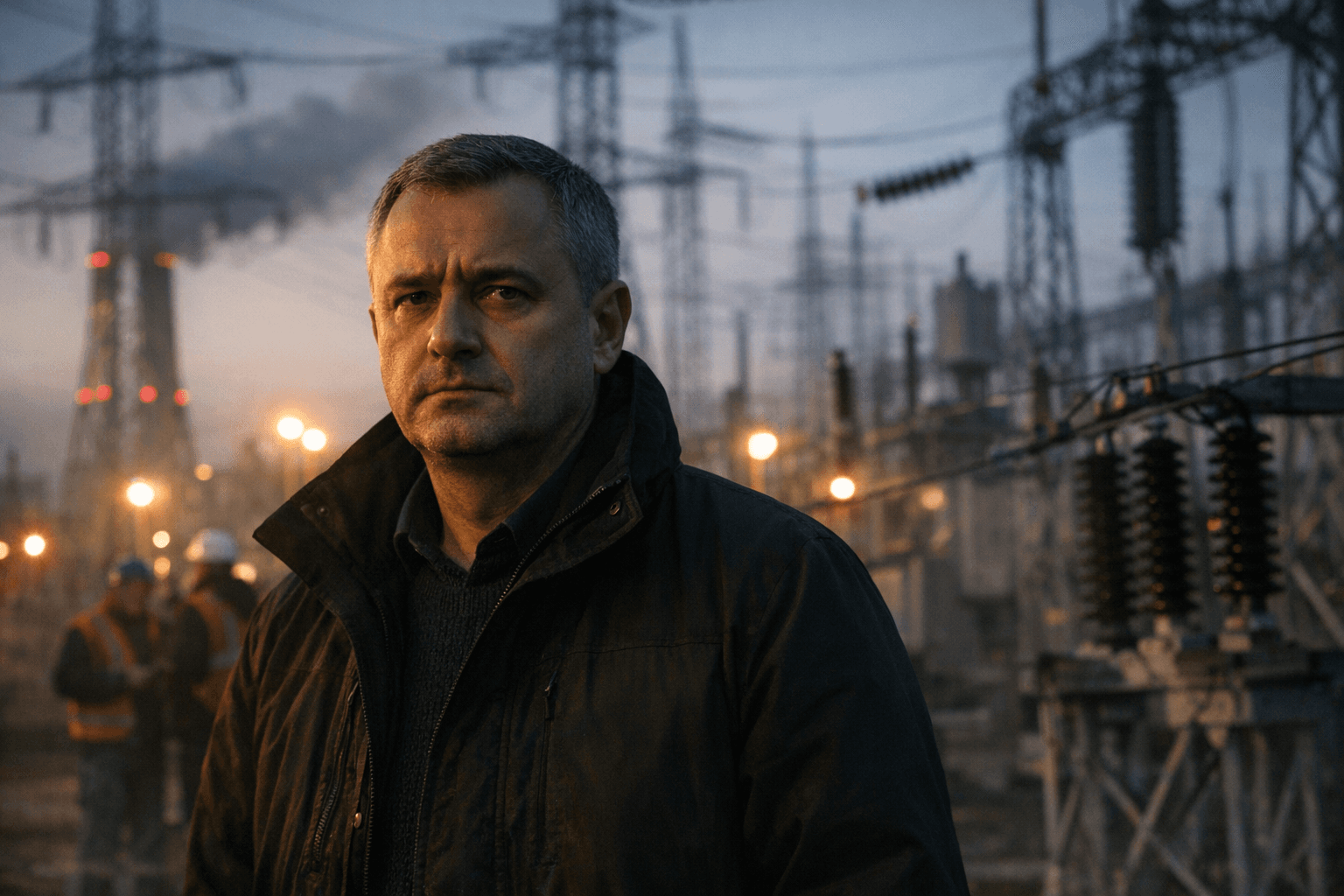
Moldova has ended its energy state of emergency, but Friday’s vote made clear the country is shifting from acute crisis to watchful fragility, not security. Lawmakers approved the move 69-32 in the 101-member chamber, ending restrictions that had been in place since March 25 after a key power link was cut during attacks on energy infrastructure in southern Ukraine.
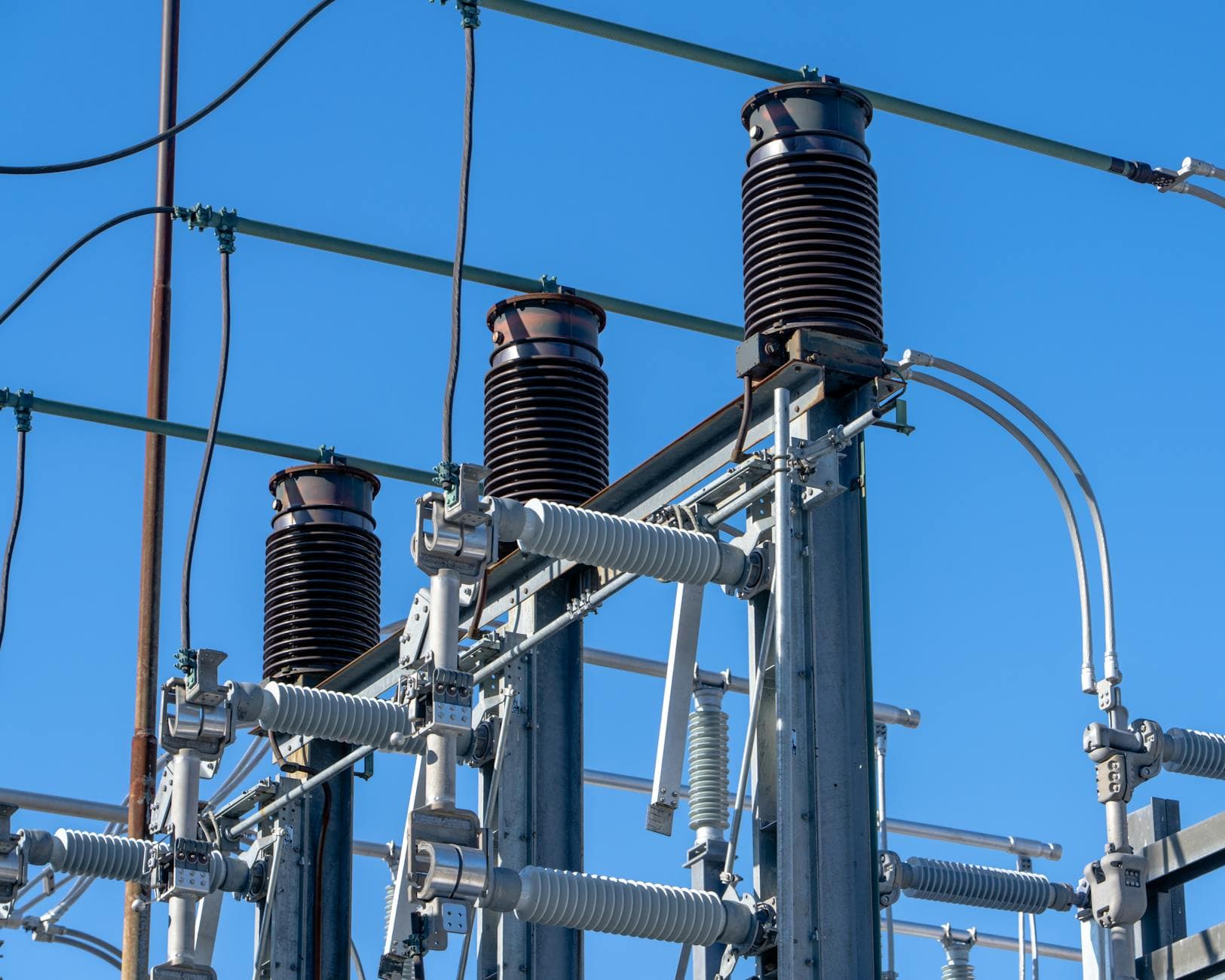
The emergency centered on the Isaccea-Vulcănești line, a transmission corridor that runs through 40 kilometers of Ukrainian territory and can supply up to 70 percent of Moldova’s electricity needs. It went offline on the evening of March 23, leaving the system with a peak-hour electricity deficit of almost 400 MW and forcing officials to depend on four 110 kV Romania-Moldova interconnection lines to keep power flowing. Authorities said the line was restored on March 28, just five days later, but the episode exposed how quickly a strike outside Moldova’s borders can turn into a national supply crisis in Chisinau.
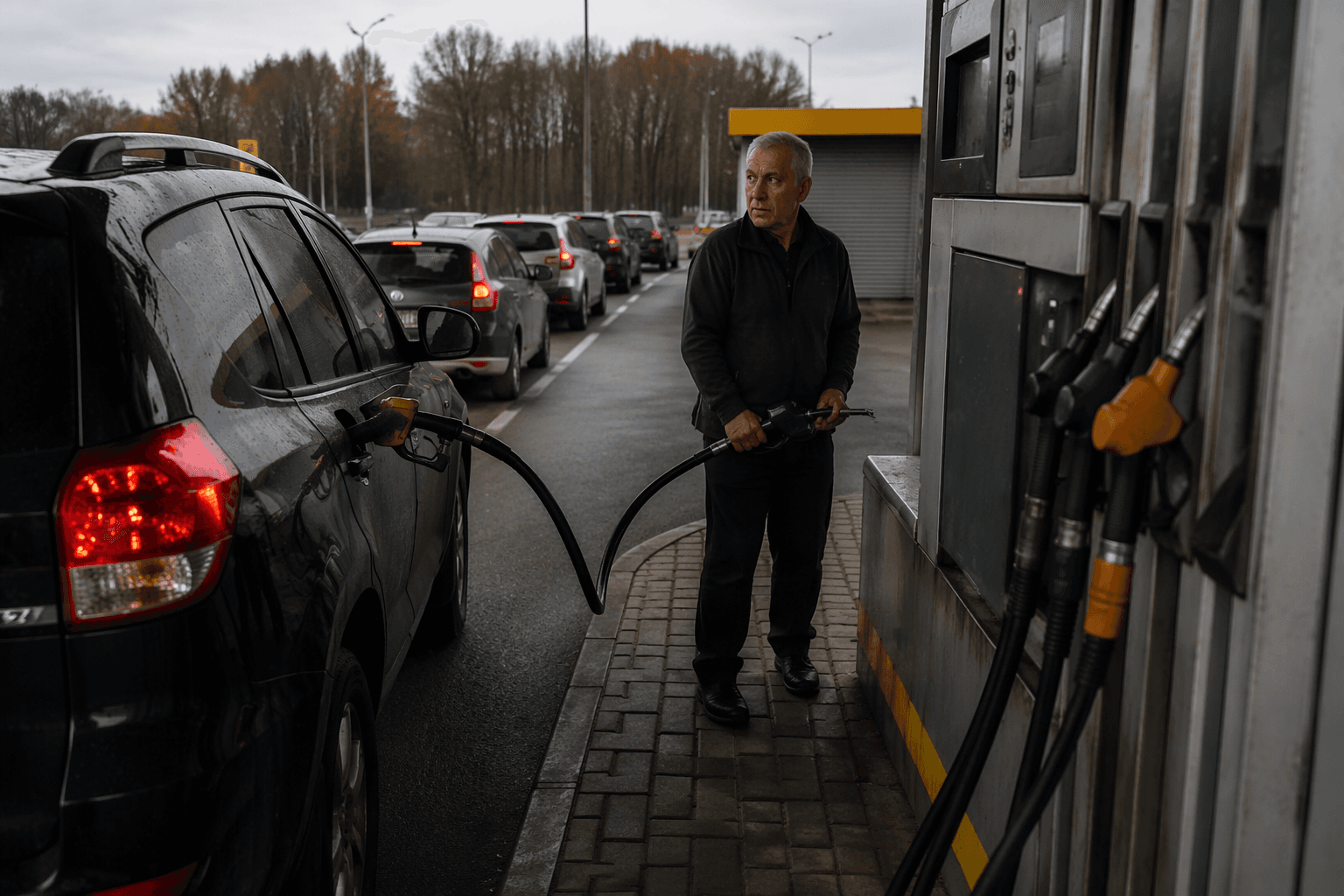
Prime Minister Alexandru Munteanu told lawmakers the declaration had not been a whim but a measured response to two immediate risks: pressure on the electricity grid and disruptions in the fuel market. Officials also said diesel stocks had dropped to a critical level of seven days of consumption, with petroleum products facing temporary disruptions amid instability in the Middle East. The government said the emergency measures helped stabilize supply and produced at least 16 million lei in savings by avoiding emergency tariffs and buying energy at lower commercial prices.
Even as the emergency ends, the government is not calling the situation normal. Officials plan a 60-day state of alert that will allow daily monitoring of electricity and fuel stocks and rapid intervention if conditions worsen. That matters in a country where a damaged transmission line, a military strike, or a fuel shock can quickly become a household problem, affecting bills, heating, and the reliability of basic services.
The vote is therefore more than a procedural reset. It is a test of how much resilience Moldova has built since the latest shock, and how much of its energy security still depends on systems outside its control. The emergency has eased, but the vulnerability that exposed it has not disappeared.
This article was produced by Prism’s automated news system from verified source data, official records, and press releases, then run through automated quality and moderation checks before publishing. The system is built and supervised by the people who set the standards it runs under. Read our full AI policy.
Did this article answer your question?