Chornobyl at 40, Ukraine’s nuclear scar faces fresh war damage
A war drone tore a hole in Chornobyl’s New Safe Confinement, reopening fears at a site still marked by the 1986 reactor explosion.
Forty years after Reactor No. 4 blew apart during an improper low-power test, Chornobyl is once again a place where nuclear history and wartime danger overlap. The damaged reactor remains wrapped in the New Safe Confinement, a 256-meter steel arch built to keep the wreckage sealed off from external hazards, yet a drone strike last year punched a hole through that shield and set the structure on fire.
Denys Khomenko, the plant’s deputy director for technical operations, has described the site as a place where safety, power supply and slow decommissioning remain tightly linked. After the strike, workers patched the opening with a large panel, but more repairs were still needed as the plant continued operating under the strain of wartime conditions and the constant risk posed by the most contaminated parts of the exclusion zone.
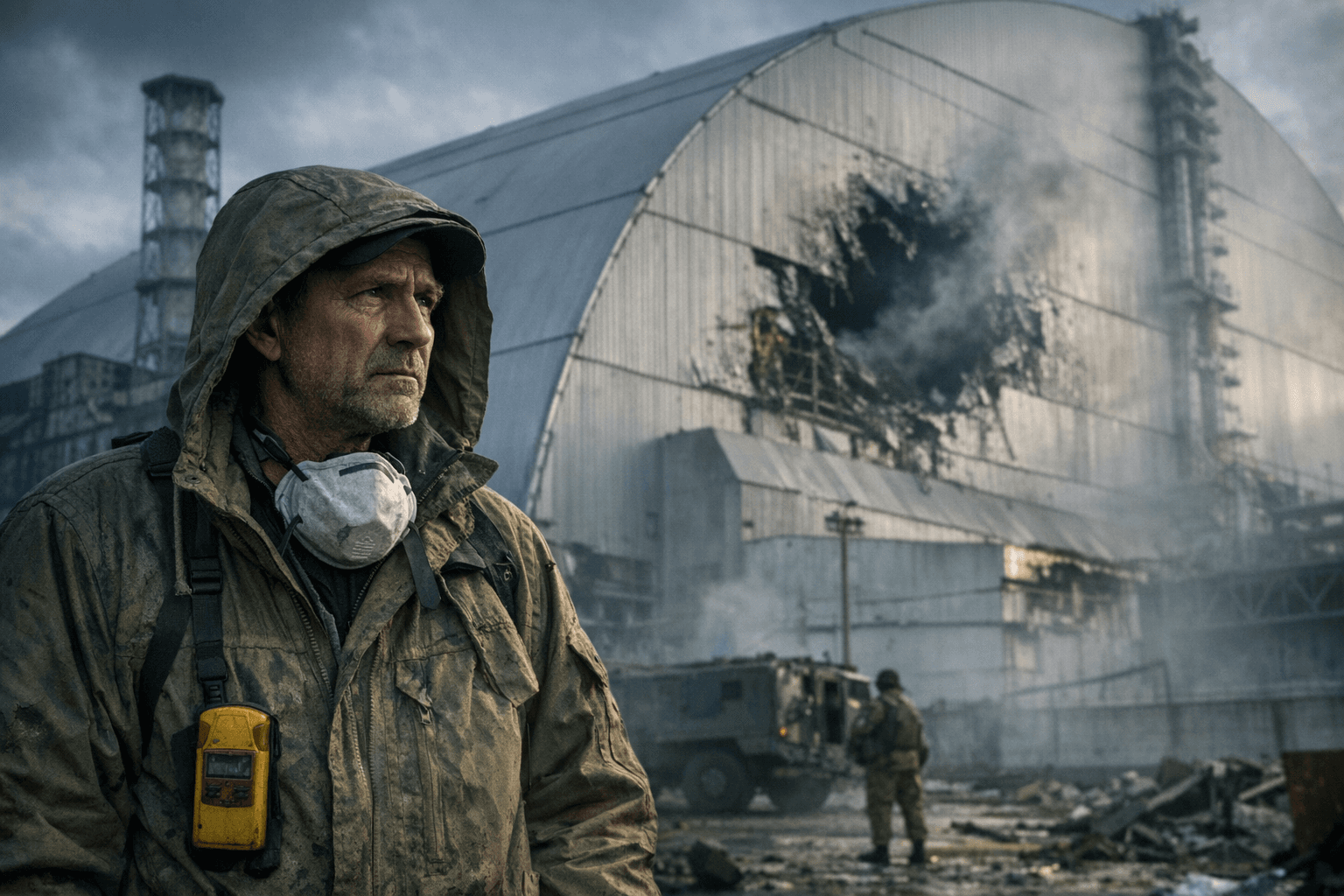
The International Atomic Energy Agency said the drone strike happened on February 14, 2025, pierced a big hole in the New Safe Confinement and triggered fires that smoldered for more than two weeks. More than 400 emergency response personnel were involved in managing the aftermath, and by March 13 firefighters had gained full control of the situation. On April 30, Ukrainian engineers were still carrying out temporary repairs. Later assessments found that the shelter had lost its primary confinement function, but its load-bearing structures and monitoring systems were not permanently damaged.
President Volodymyr Zelenskyy said the drone had flown at low altitude and deliberately struck the shelter over Reactor Unit 4, reinforcing Kyiv’s view that attacks near nuclear infrastructure are not just military pressure but a direct safety threat. The Office of the President of Ukraine said the strike showed Russia’s complete unwillingness to seek peace. The IAEA reported that radiation levels at the site remained normal and that there was no release of radioactive substances beyond established limits, but the agency also said the damage had exposed how vulnerable the structure still was.
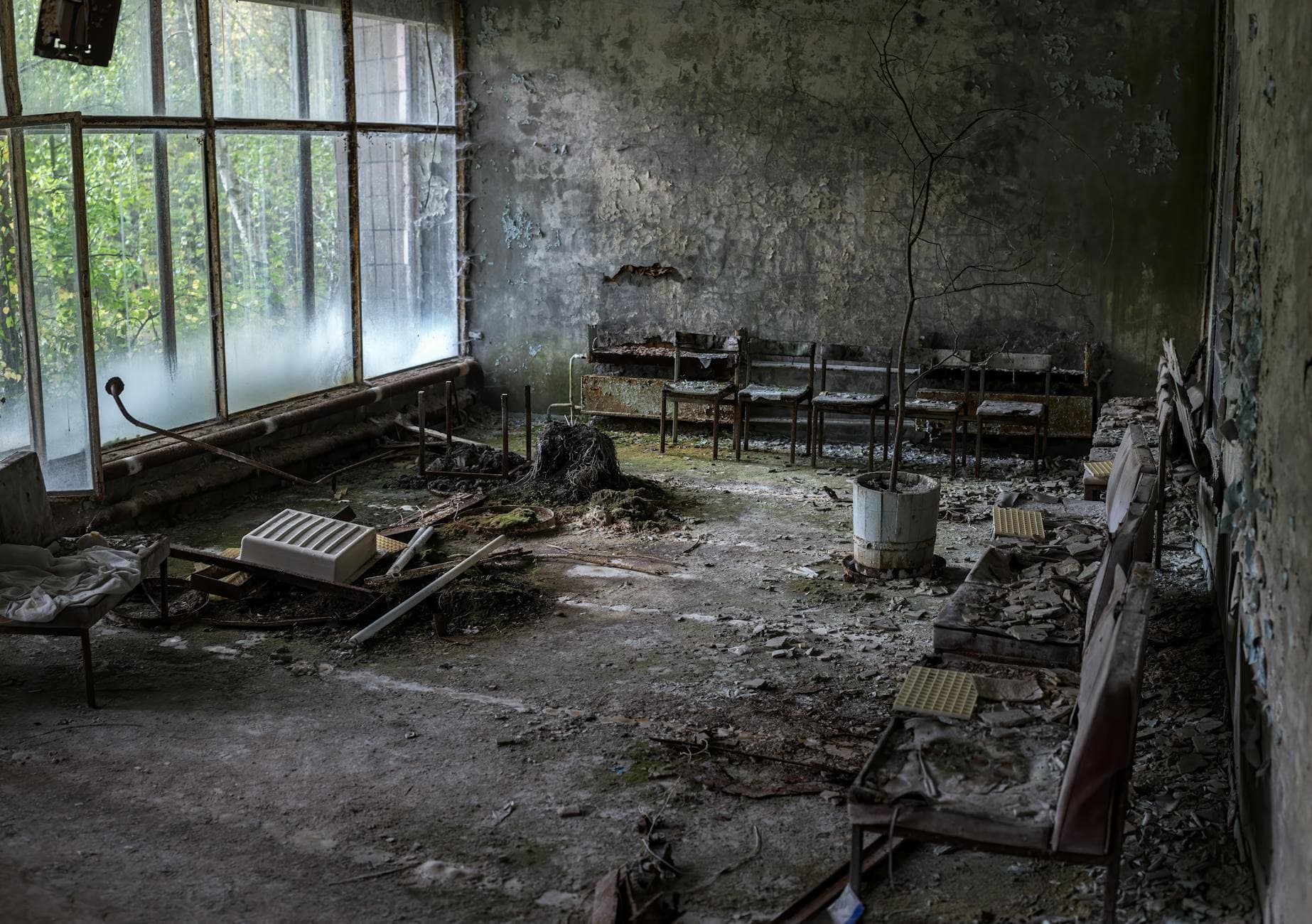
That vulnerability is what makes Chornobyl more than a memorial site. Much of the exclusion zone now has radiation levels close to normal, but the area around Reactor No. 4 remains highly contaminated. In November 2025, the IAEA deployed additional staff to conduct a comprehensive safety assessment of the damaged shelter, underscoring that the world’s worst nuclear accident still carries fresh risks. At Chornobyl, the past has never fully gone away; war has simply made that fact impossible to ignore.
This article was produced by Prism’s automated news system from verified source data, official records, and press releases, then run through automated quality and moderation checks before publishing. The system is built and supervised by the people who set the standards it runs under. Read our full AI policy.
Did this article answer your question?


