Forecasters warn El Niño could return by May, threatening crops and rainfall
Forecasters saw a likely El Niño returning by early summer, with NOAA putting the odds at 61% and warning of sharper swings in heat, rain and farm costs.
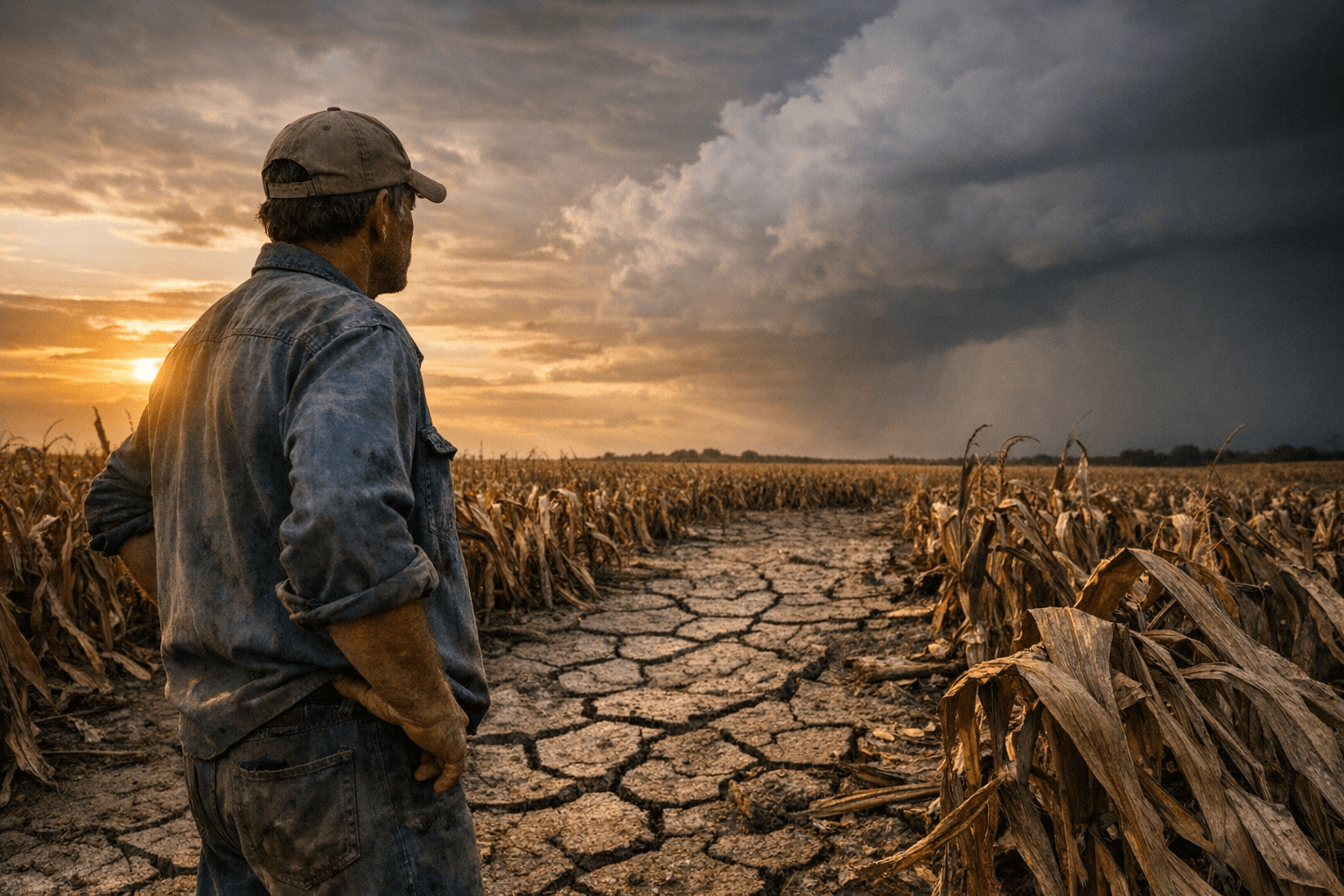
A new El Niño looked increasingly likely to form by early summer, setting up a weather shift that could ripple through U.S. crop prices, hurricane risk and insurance losses over the next year. The World Meteorological Organization said sea-surface temperatures in the Equatorial Pacific were rising rapidly and pointed to a likely return of El Niño conditions as early as May to July 2026.
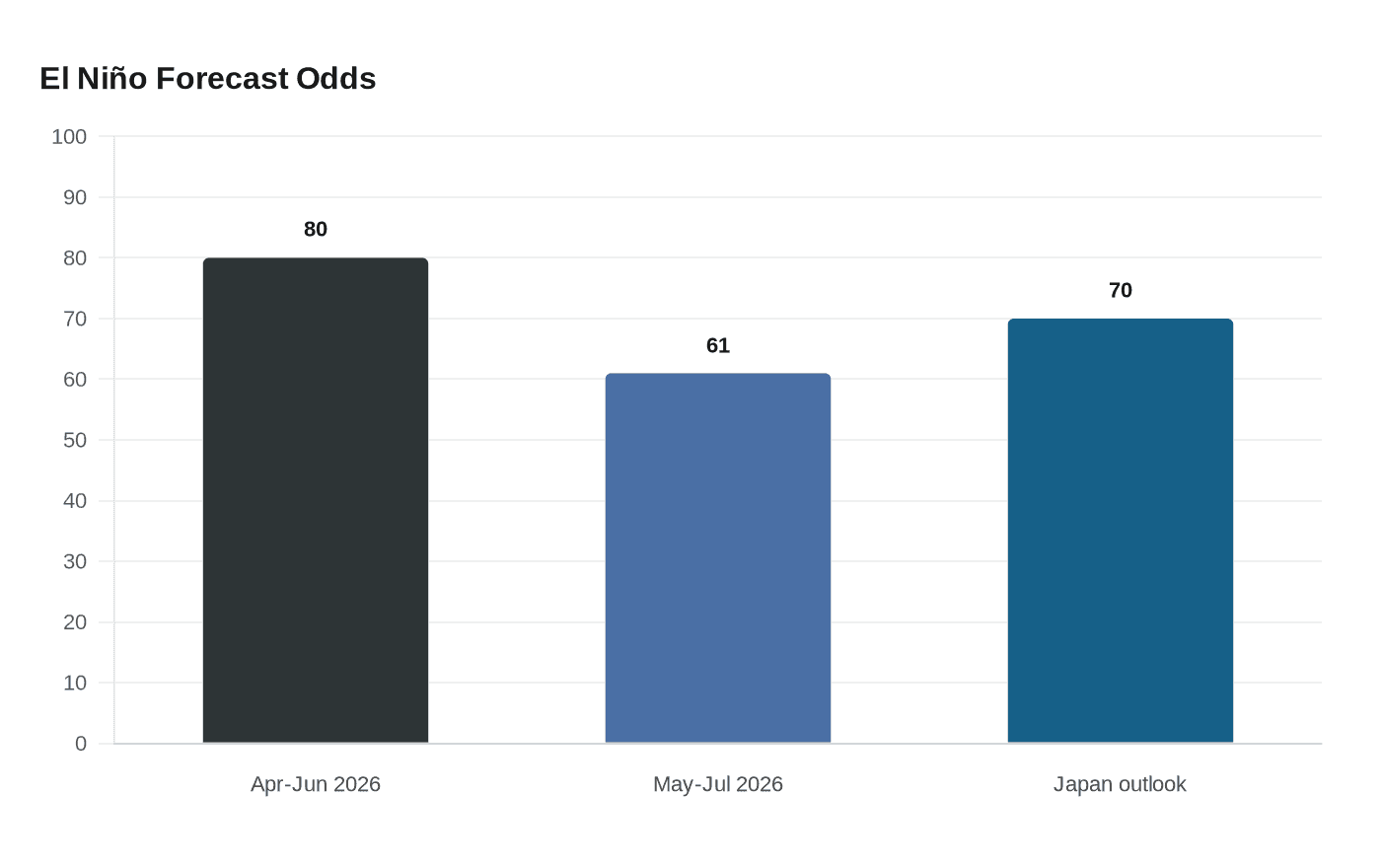
The warning was backed by multiple national forecasters. NOAA’s Climate Prediction Center said on April 9 that ENSO-neutral conditions were favored through April-June with an 80% chance, but El Niño had a 61% chance of emerging in May-July and could persist through at least the end of 2026. Japan’s Meteorological Agency issued a separate April 10 outlook using its seasonal ensemble system and put the odds of El Niño in its forecast windows around 70%. NOAA also said there was a 1-in-4 chance of a very strong El Niño during the Northern Hemisphere winter.
Wilfran Moufouma Okia of the World Meteorological Organization said the climate models were strongly aligned, even as the spring predictability barrier still limited certainty this time of year. That distinction matters. Forecasters are confident enough to warn of a shift, but not yet precise enough to say how strong it will become, or exactly which regions will get the sharpest rainfall and heat swings.
For U.S. readers, the practical stakes are in food and disaster costs. El Niño is typically linked with wetter conditions in parts of the southern United States and drier weather in Australia, Indonesia and parts of southern Asia. It can also hinder Atlantic hurricane formation during boreal summer while favoring storms in the central and eastern Pacific. A quieter Atlantic Basin would not eliminate flood risk, but it could shape insured losses, emergency spending and the volatility of homeowners’ premiums if the season turns out gentler than feared.
The broader economic backdrop makes the forecast more sensitive. WMO said El Niño can amplify already elevated global temperatures, and 2024 was the hottest year on record, driven by the 2023-2024 El Niño and human-caused warming. With warmer oceans and air holding more energy and moisture, heatwaves and heavy rainfall can intensify. That raises the chance of crop losses, higher transportation costs and more pressure on food prices if key growing regions face heat, drought or flooding at the wrong time.
WMO said El Niño usually arrives every two to seven years and lasts about nine to 12 months. The next one is not a certainty yet, but the signals are strong enough that farmers, insurers, water managers and coastal planners have already been put on alert.
This article was produced by Prism’s automated news system from verified source data, official records, and press releases, then run through automated quality and moderation checks before publishing. The system is built and supervised by the people who set the standards it runs under. Read our full AI policy.
Did this article answer your question?