Iran foreign minister to visit Pakistan, Oman and Russia amid U.S. tensions
Abbas Araghchi headed to Pakistan, Oman and Russia as Islamabad braced for fresh Iran talks, underscoring how much room Tehran still had for diplomacy.
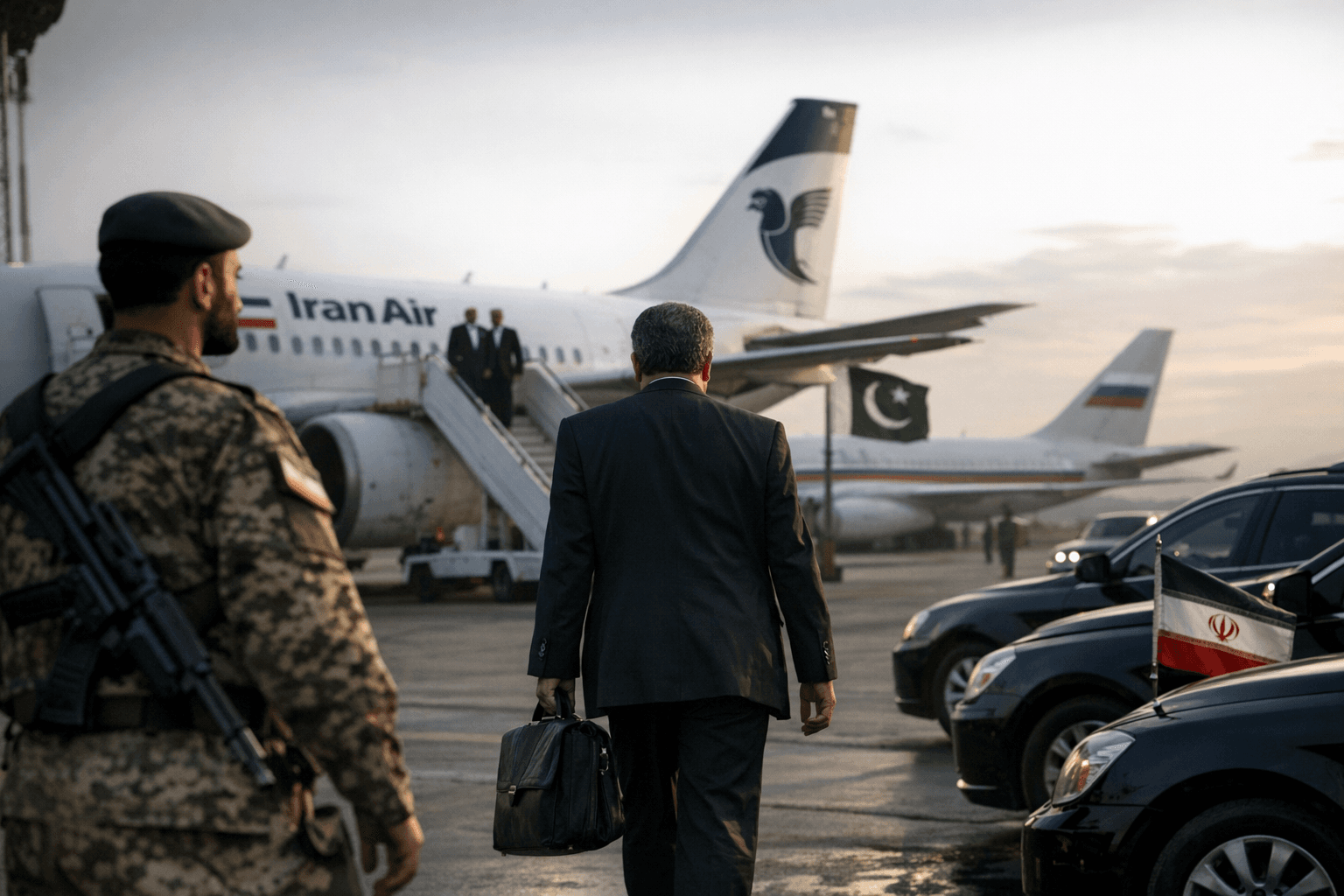
Iran’s foreign minister, Abbas Araghchi, set off Friday for Pakistan, Oman and Russia, a route that showed both pressure and possibility as Tehran sought to manage its conflict with the United States. The trip came after earlier talks in Pakistan with Washington failed earlier this month and after a second round of U.S.-Iran discussions planned for Islamabad was delayed when Iran did not confirm participation.
Pakistan was the first stop and the most immediate test of whether the current diplomatic track could still move. Reuters and Associated Press reporting said Araghchi was expected in Islamabad Friday night or by the weekend, while Iran’s state news agency IRNA described the visit as bilateral, aimed at meetings with Pakistani officials rather than direct talks with the United States right away. That distinction mattered: Pakistan was not just a host, but a channel through which both sides could keep talking without publicly conceding too much. The country had already spent days preparing Islamabad for the negotiations, with heightened security, transport disruption and hotel strain around the Red Zone and the Serena Hotel.
The timing also reflected the fragile political mood around the ceasefire. U.S. officials said the talks were intended to reduce regional tensions after a ceasefire extension, and Pakistan’s prime minister, Shehbaz Sharif, thanked Donald Trump for extending the ceasefire at Pakistan’s request. That made Islamabad useful to both sides: to Washington as a place to test de-escalation, and to Tehran as a venue that could keep pressure low while avoiding the appearance of direct surrender. Reports also said U.S. envoys were being sent to Pakistan for fresh Iran talks, reinforcing how central Islamabad had become to the latest round of back-channel diplomacy.

Oman and Russia added a second layer to the trip. Oman has long served as a mediator in U.S.-Iran diplomacy, giving Araghchi a route through a country that can translate hard positions into something negotiable. Russia, meanwhile, remains a key external player in Iran’s diplomatic posture, one that can offer political backing and broader regional signaling even when Washington remains out of reach. Taken together, the itinerary suggested Iran was not choosing between negotiation and deterrence. It was trying to do both at once: keep talks alive through Pakistan and Oman, and show through Russia that it still had powerful connections beyond the U.S. orbit.
Know something we missed? Have a correction or additional information?
Submit a Tip