Special Forces Soldier Charged in Maduro Betting Scandal on Polymarket
A U.S. special forces soldier was arrested after allegedly betting on Polymarket before Nicolás Maduro’s removal was announced, raising fresh alarms over insider abuse.
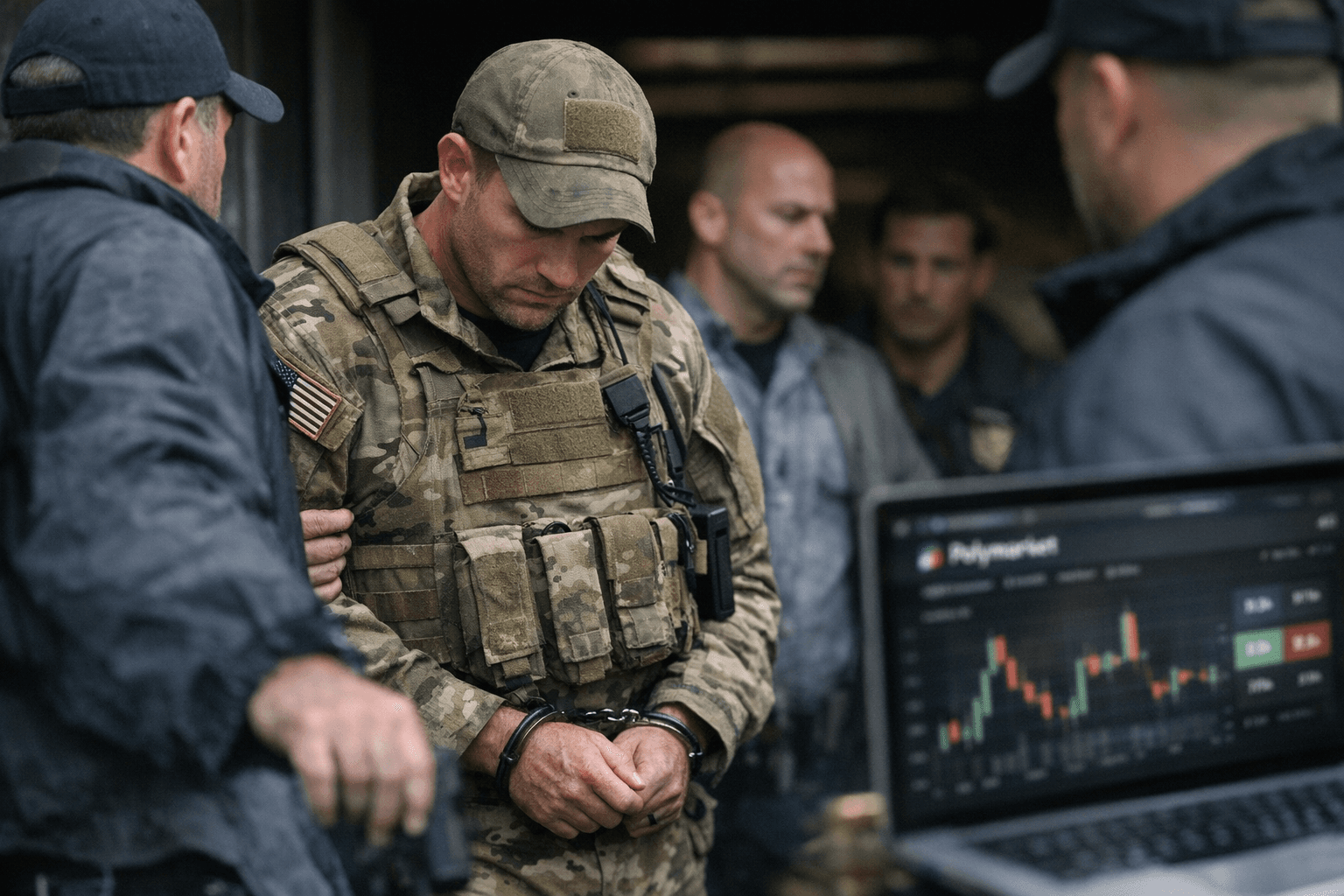
A U.S. special forces soldier was arrested and charged after allegedly placing bets on Polymarket using information that preceded the public announcement of Nicolás Maduro’s removal from Venezuela. The case has quickly become more than a criminal allegation: it is a test of whether prediction markets can withstand the same kind of information abuse that has long troubled traditional financial markets and national-security circles.
Investigators are examining what the accused knew, when he knew it, and whether he acted before the news became public. If the allegation holds, the conduct would point to a dangerous overlap between classified or privileged information and a trading platform built to reward early access to real-world developments. In that setting, the market is not simply reflecting public opinion or collective forecasting. It can become a venue where sensitive information is monetized before everyone else can see it.
Polymarket and similar platforms have gained attention because they turn political and geopolitical events into tradable outcomes. That model depends on public confidence that the odds are shaped by analysis, not by leaked or restricted information moving ahead of official disclosure. When a service tied to elections, diplomacy, military developments, or regime change is touched by an insider-style allegation, the credibility of the entire category comes under strain.
The arrest also highlights the challenges facing institutions that try to police information flows across military and financial systems. Special operations personnel are trained to handle sensitive matters, but the allegation here suggests that access alone is not the issue. The deeper concern is whether someone with proximity to national-security information used that position to gain an edge in a market where timing can determine profit.
For regulators and law enforcement, the case raises a broader question: whether prediction markets are becoming the latest frontier for misconduct tied to real-world events that move faster than disclosure rules can keep up. The answer will depend on what investigators prove about the soldier’s knowledge and intent. But the allegation itself has already exposed a vulnerability in markets that promise to price the future while relying on the present to stay honest.
This article was produced by Prism’s automated news system from verified source data, official records, and press releases, then run through automated quality and moderation checks before publishing. The system is built and supervised by the people who set the standards it runs under. Read our full AI policy.
Did this article answer your question?


