Russia to divert Kazakh oil from Germany, raising supply concerns
Russia said it would reroute Kazakh oil away from Germany from May 1, threatening a meaningful slice of PCK Schwedt’s crude intake.
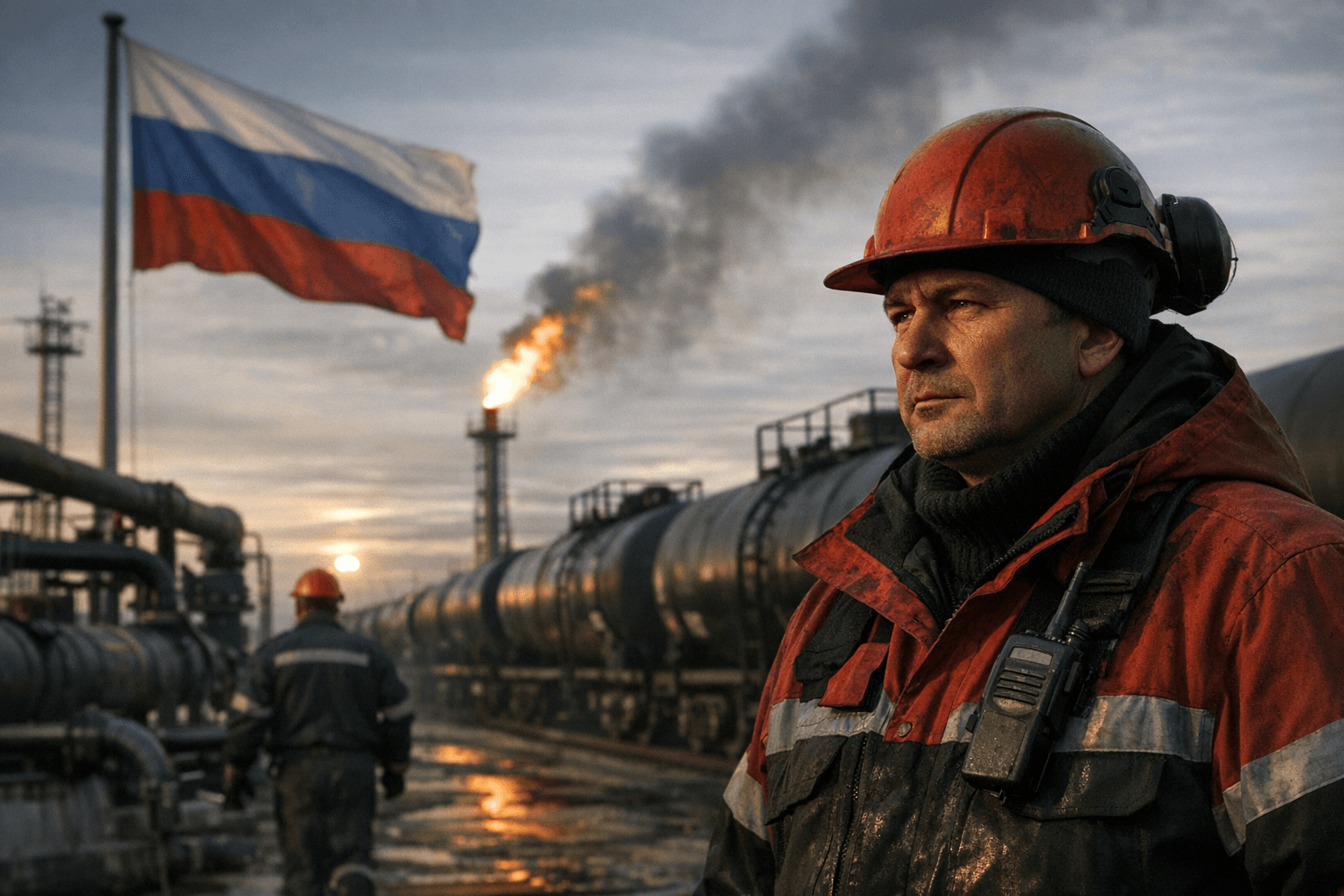
Russia moved to cut off the pipeline route that had carried Kazakh crude into Germany, saying the flows would be diverted to other paths beginning May 1. The decision ended the current export channel through the Druzhba system and underscored how much leverage Moscow still held over a supply line that Europe had treated as a workaround.
The volume at stake was not trivial. Kazakhstan sent about 2.146 million metric tons of oil to Germany through Druzhba in 2025, or roughly 43,000 barrels a day. That flow rose sharply from the year before and remained an important source of crude in the first quarter of 2026. For Germany, the issue was not only the nationality of the oil but the route it took.
The practical pressure landed on PCK Schwedt, the refinery east of Berlin that serves as one of Germany’s key fuel hubs and supplies transport demand across the Berlin-Brandenburg region. A full halt to the Druzhba route would remove a meaningful share of the refinery’s crude intake. German officials have said alternative supply options exist and that fuel security was not immediately threatened, but the change still exposed a basic weakness in Europe’s energy reordering: the barrels may be Kazakh, yet the transit corridor remains controlled by Russia.
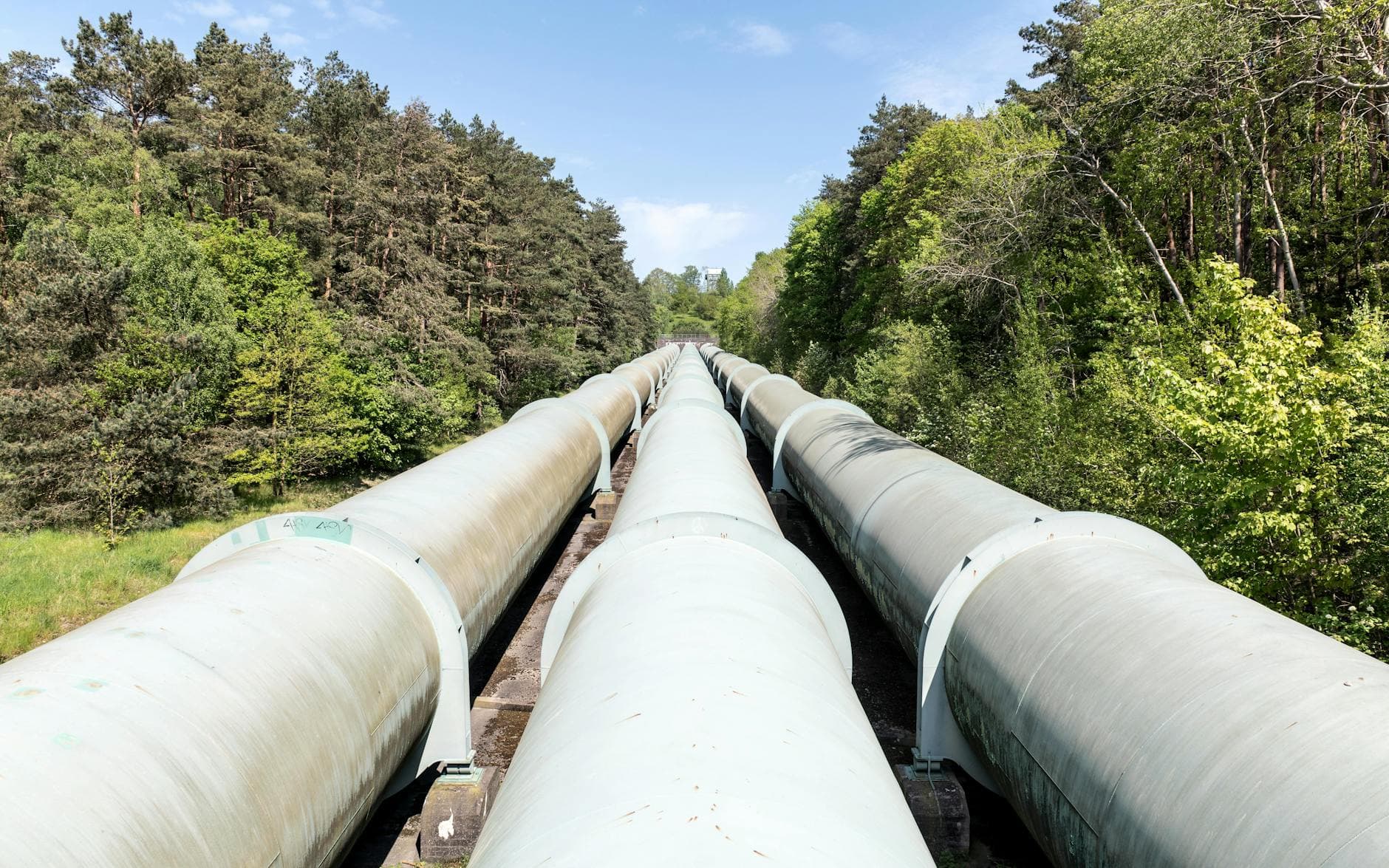
That dependence matters because Germany spent years trying to rebuild its energy system after the Ukraine war upended its reliance on Russian crude. Kazakhstan emerged as an important substitute source, and the Druzhba pipeline offered a familiar piece of infrastructure at a moment when Europe was trying to stabilize refineries and protect consumers from fresh shocks. Moscow’s latest move showed that diversification through Russian territory still came with a political risk premium.
The timing also fit a wider geopolitical strain. The war in Ukraine continued to distort energy flows, while the Iran conflict had already pushed shipping and fuel costs higher across global markets. In that setting, Germany’s supply chain looked less like a solved problem than a managed exposure, and Europe’s unfinished energy security project once again ran into the hard limits of pipeline dependence.
This article was produced by Prism’s automated news system from verified source data, official records, and press releases, then run through automated quality and moderation checks before publishing. The system is built and supervised by the people who set the standards it runs under. Read our full AI policy.
Did this article answer your question?


