Trump to Press King Charles on Digital Taxes, NATO Spending
Trump said he would raise digital taxes and NATO with King Charles, turning a royal meeting into a test of trade pressure and alliance politics.
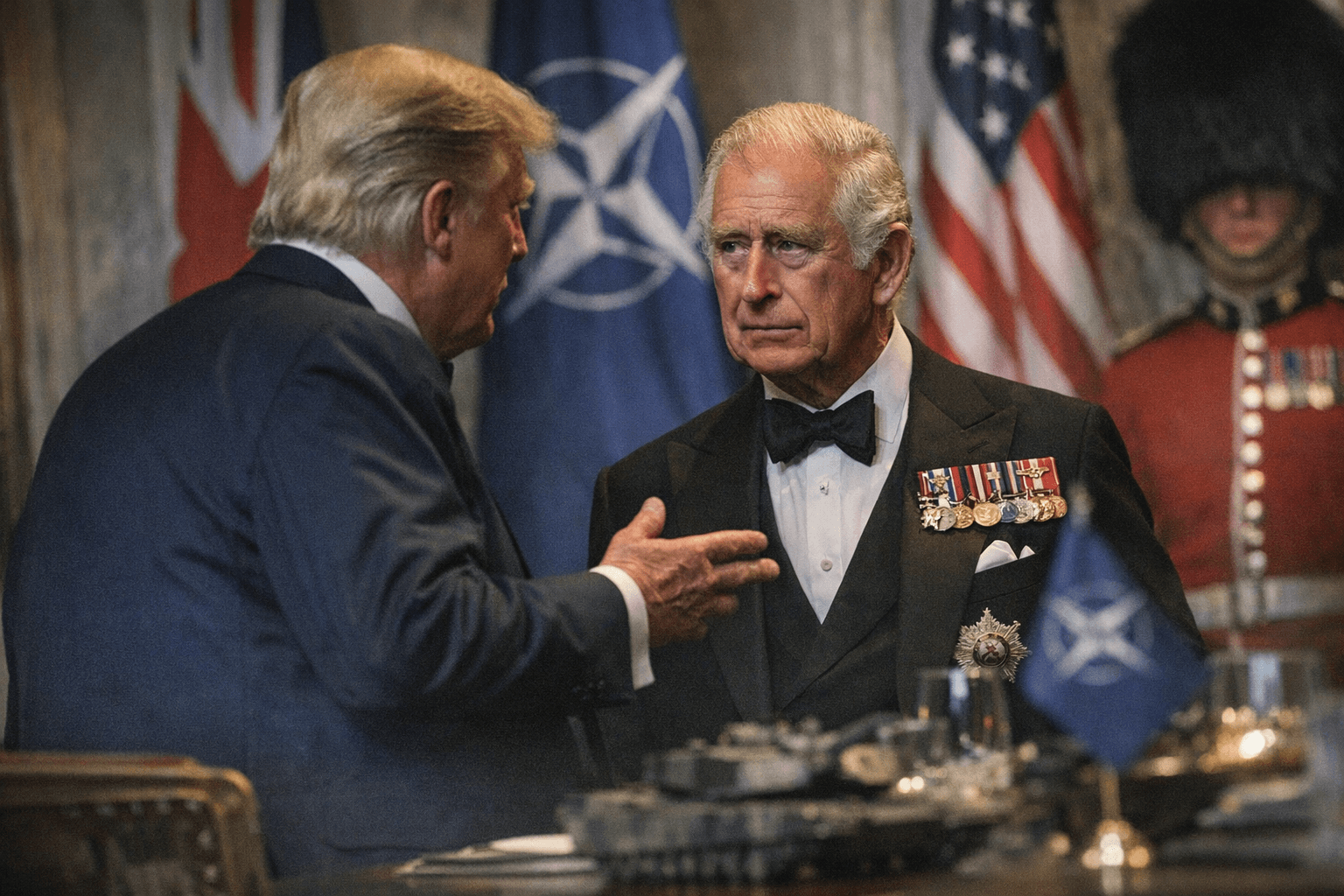
Donald Trump said he planned to discuss digital taxes and NATO with King Charles, turning a royal encounter into a clear signal that trade, technology and security disputes would shadow the visit. The pairing was telling: digital taxes have long angered Washington because U.S. officials argue that foreign levies on large tech platforms often fall hardest on American companies, while NATO has remained one of Trump’s preferred pressure points when he wants allies to spend more on defense.
The choice of King Charles mattered less for policy than for symbolism. The British monarch is a ceremonial head of state, not a negotiator, so the meeting carried no direct power to settle disputes over tax rules or military budgets. But a royal audience still offered Trump a stage to shape the public message, and by previewing his agenda in advance, he framed the trip around the issues he wanted at the center of the transatlantic conversation.
That matters for both governments. Britain’s digital tax policy has been part of a broader fight over how countries should tax the profits of big technology firms, many of them American. For U.S. companies, any renewed emphasis on digital taxes raises the possibility that allied governments will continue looking for ways to capture more revenue from platforms that dominate online advertising, commerce and data flows.

The NATO discussion carried a different kind of leverage. Trump has repeatedly used the alliance as a platform to demand higher defense spending and more responsiveness from partners, and putting NATO alongside digital taxes linked two separate policy areas into one political message. For allies, that can be an irritant because tax policy and military burden-sharing are usually handled separately. For the White House, it can be useful pressure, especially when a high-profile state visit creates a larger audience.
What would matter most for U.S.-U.K. relations is not whether King Charles himself can answer Trump’s demands, but whether the visit changes the temperature around them. If the meeting keeps digital taxation and defense spending at the front of the agenda, it suggests Trump wants the relationship measured by concessions as well as ceremony.
This article was produced by Prism’s automated news system from verified source data, official records, and press releases, then run through automated quality and moderation checks before publishing. The system is built and supervised by the people who set the standards it runs under. Read our full AI policy.
Did this article answer your question?