Ghana protests South Africa xenophobic incidents after viral harassment videos
Ghana hauled South Africa’s envoy over viral harassment videos after a Ghanaian resident in KwaZulu-Natal was told to prove his status and “fix his country.”
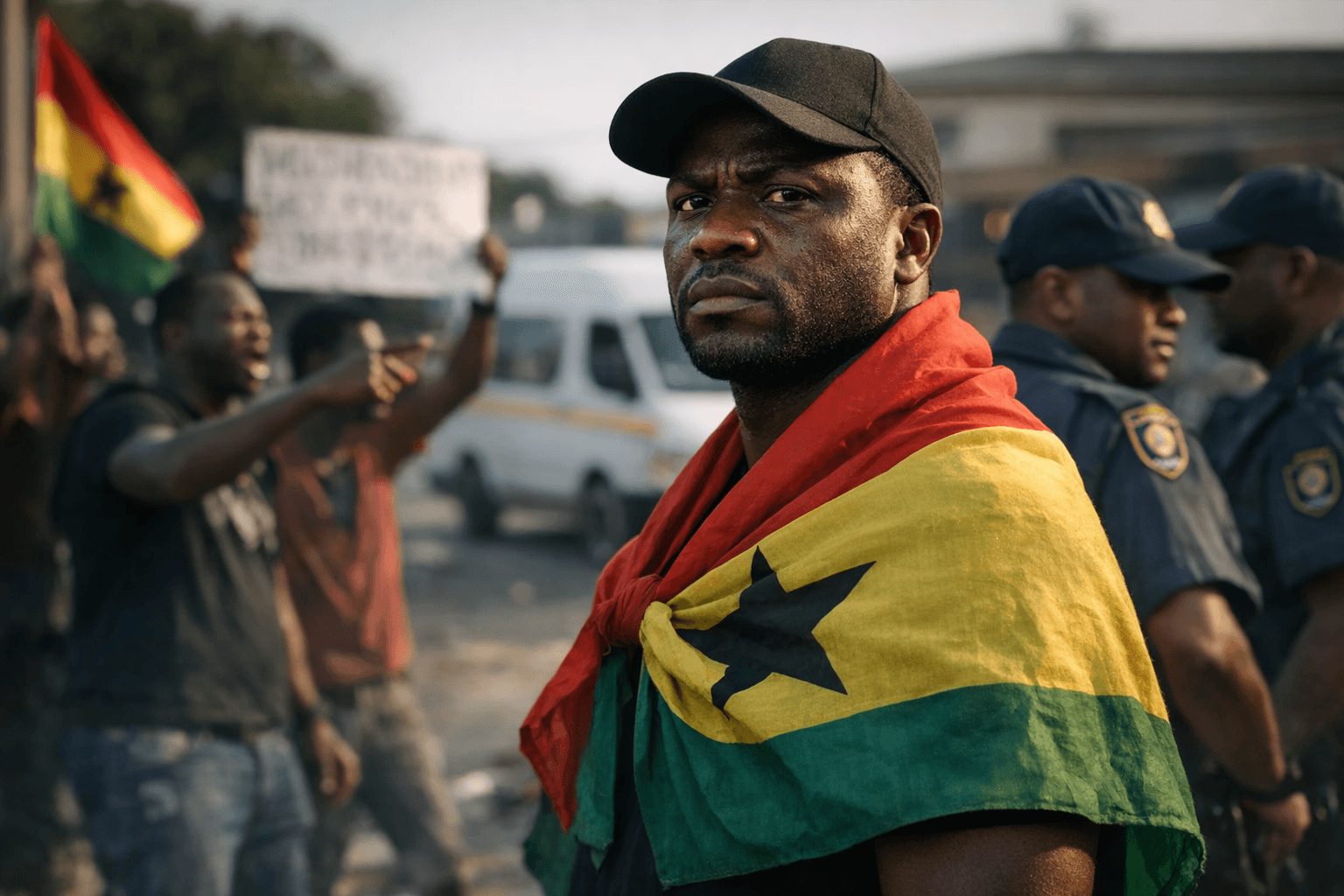
Ghana summoned South Africa’s Acting High Commissioner in Accra, Thando Dalamba, after viral videos showed foreign nationals being harassed and questioned over their immigration status, a confrontation that quickly spilled from the street into a bilateral dispute. Foreign Affairs Minister Samuel Okudzeto Ablakwa said the government was registering its strong concern over intimidation directed at foreign nationals, including Ghanaians, and demanding immediate protection for its citizens in South Africa.
The most cited episode took place in KwaZulu-Natal province, where a Ghanaian resident who was believed to be living in South Africa legally was confronted, asked to prove his status and reportedly told to leave the country and “fix his country.” Ghana said the latest incidents had not produced any fatalities or injuries, but it warned that similar outbreaks of hostility in the past had ended in deaths and destroyed property. Some foreign nationals, including Ghanaians, were advised to remain indoors for safety as tensions rose.
Ablakwa said he had already raised the matter with South Africa’s Minister for International Relations and Cooperation, Ronald Lamola, before the formal summons to the South African envoy. South African officials reportedly said investigations were underway, and the South African government later promised to crack down on xenophobic attacks against Ghanaians and other foreign nationals. The diplomatic exchange underscored how quickly online footage can harden into state-to-state pressure when harassment on the ground is seen as a threat to citizens abroad.
Ghana’s protest carried an explicit historical charge. Ablakwa reminded the South African envoy of Ghana’s support for the anti-apartheid struggle and the place of Kwame Nkrumah in Africa’s liberation history, arguing that attacks on law-abiding foreigners cut against African unity, solidarity and peaceful coexistence. That framing matters well beyond one viral clip: South Africa is home to more than three million foreigners, about 5.1 percent of the population, according to official statistics, and recurring xenophobic violence has long complicated migration, labor, and security across the region.
The latest confrontation now places pressure on Pretoria to show that its rhetoric and policing can match the scale of anti-foreigner violence. For Accra, the summoning of Dalamba was more than a diplomatic rebuke. It was a warning that what begins as street-level xenophobia can become a regional test of whether African governments can protect migrants, preserve trust, and keep old solidarity from collapsing under new tensions.
This article was produced by Prism’s automated news system from verified source data, official records, and press releases, then run through automated quality and moderation checks before publishing. The system is built and supervised by the people who set the standards it runs under. Read our full AI policy.
Did this article answer your question?