Treasury Targets Chinese Refinery Over Major Purchases of Iranian Oil
Treasury hit Hengli Petrochemical and about 40 shadow-fleet firms, testing whether sanctions can choke Iran’s oil trade or just reroute it.

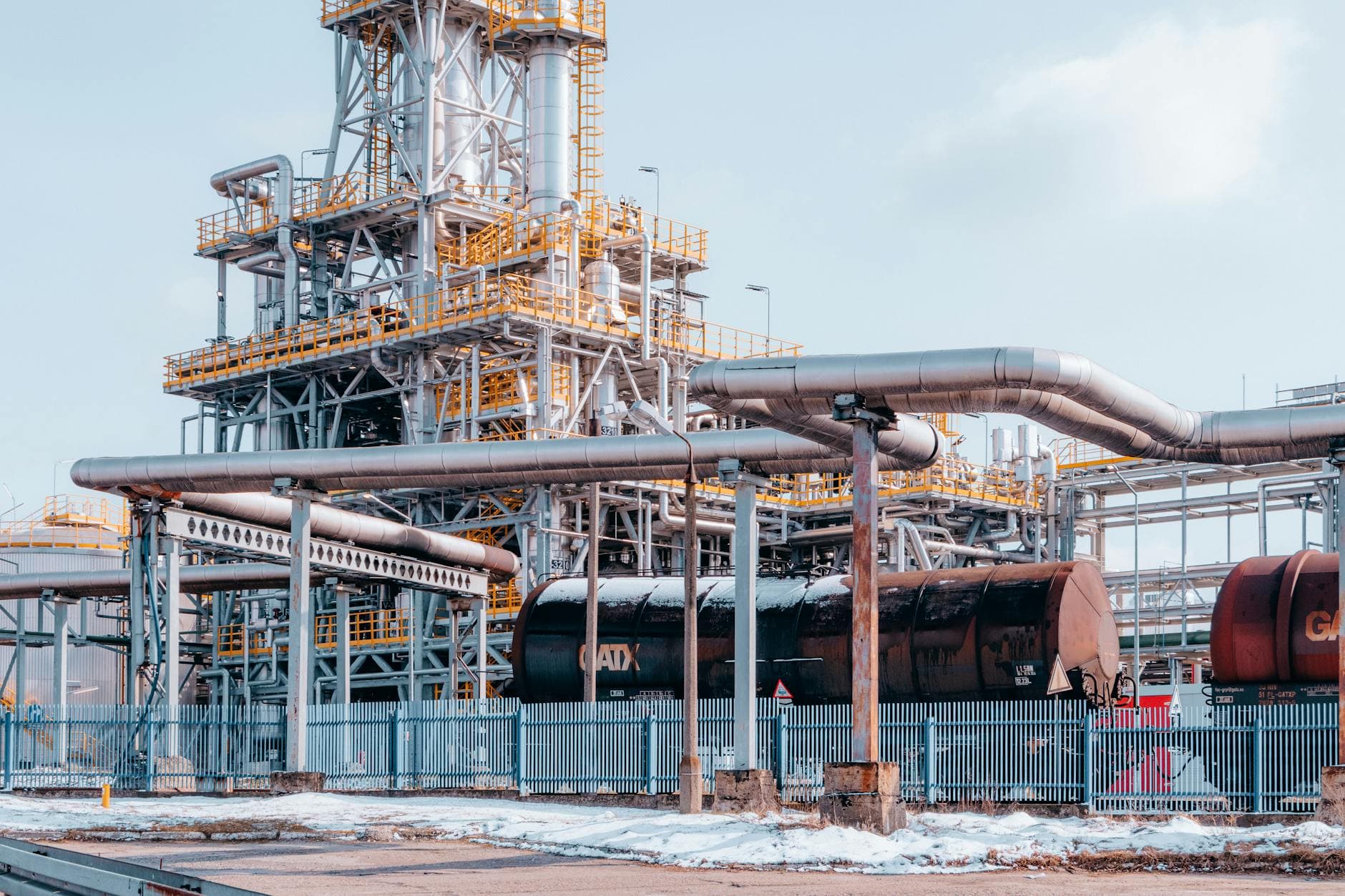
Treasury escalated its Iran campaign by sanctioning Hengli Petrochemical (Dalian) Refinery Co., Ltd., a China-based independent teapot refinery, and roughly 40 shipping firms and vessels tied to Iran’s shadow fleet. The move is more than another penalty notice: it is a test of whether Washington can interrupt oil flows that help fund Tehran, or whether the trade will simply shift to new ships, brokers and routes, with consequences for U.S.-China relations and for global crude pricing.
Hengli sits at the center of that question. Treasury described it as China’s second-largest teapot refinery and one of Iran’s largest customers, saying it had bought billions of dollars’ worth of Iranian petroleum. Since at least 2023, the refinery has received Iranian cargoes on sanctioned tankers including BIG MAG, GALE and ARES, vessels that Treasury said have together delivered more than five million barrels of Iranian crude oil.
The sanctions also widen pressure on the logistics network that makes the trade possible. Treasury said the targeted ships and firms form part of Iran’s shadow fleet, a system that moves petroleum and petrochemicals and provides a financial lifeline to the regime. The action falls under Executive Order 13902 and the broader maximum-pressure campaign under NSPM-2, and Treasury said it has sanctioned more than 1,000 Iran-related persons, vessels and aircraft since February 2025.
That scope matters because the policy question is not whether Iran can find buyers, but whether it can move barrels cheaply enough to preserve revenue. Treasury said China’s independent teapot refineries purchase the majority of Iran’s crude, which means enforcement aimed at a major buyer could raise the friction costs of the trade even if it does not stop it outright. If insurers, ports and ship operators treat the designations as binding, the result could be tighter supply at the margin and firmer crude prices. If the shadow fleet adapts quickly, the market impact will be smaller and the sanctions will mostly force another rerouting in a trade built to evade scrutiny.
This article was produced by Prism’s automated news system from verified source data, official records, and press releases, then run through automated quality and moderation checks before publishing. The system is built and supervised by the people who set the standards it runs under. Read our full AI policy.
Did this article answer your question?