Trump sends Witkoff, Kushner to Pakistan for direct Iran talks
Pakistan became the venue for a new U.S.-Iran channel as Witkoff and Kushner headed in for direct talks and Araghchi arrived with Tehran’s response.
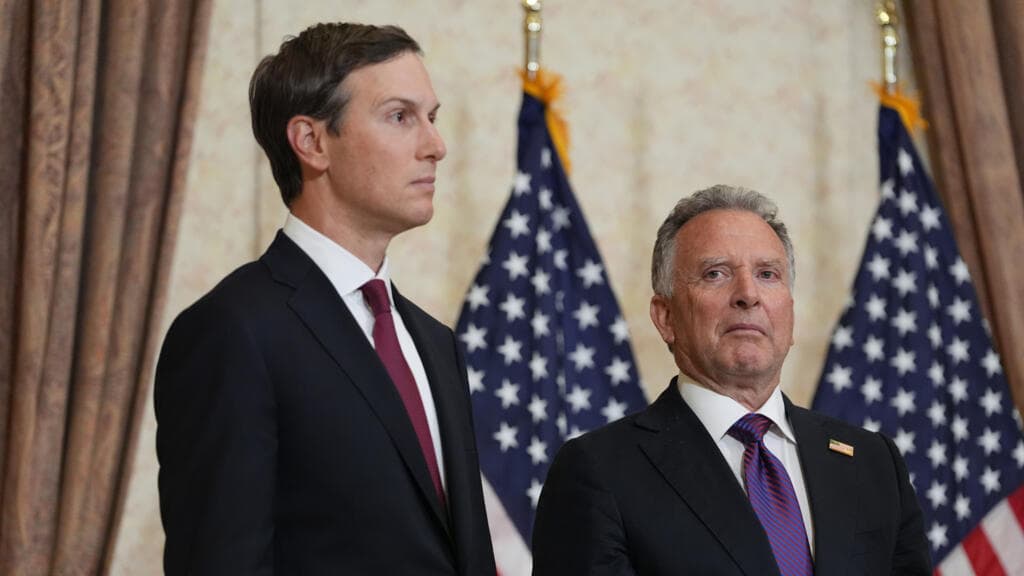
Pakistan has emerged as the unexpected stage for the latest U.S.-Iran diplomatic push, with Steve Witkoff and Jared Kushner set to travel there Saturday morning for direct talks while Iran’s foreign minister arrived in Islamabad carrying Tehran’s reply to a U.S. proposal to end the war.
The White House said the Iranians had reached out and asked for an in-person conversation, and Karoline Leavitt said the talks were moving forward through Pakistan as intermediary. That makes Islamabad the hinge point for a negotiation that already produced one failed round about two weeks ago, when the first U.S.-Iran meeting there ended without a deal.
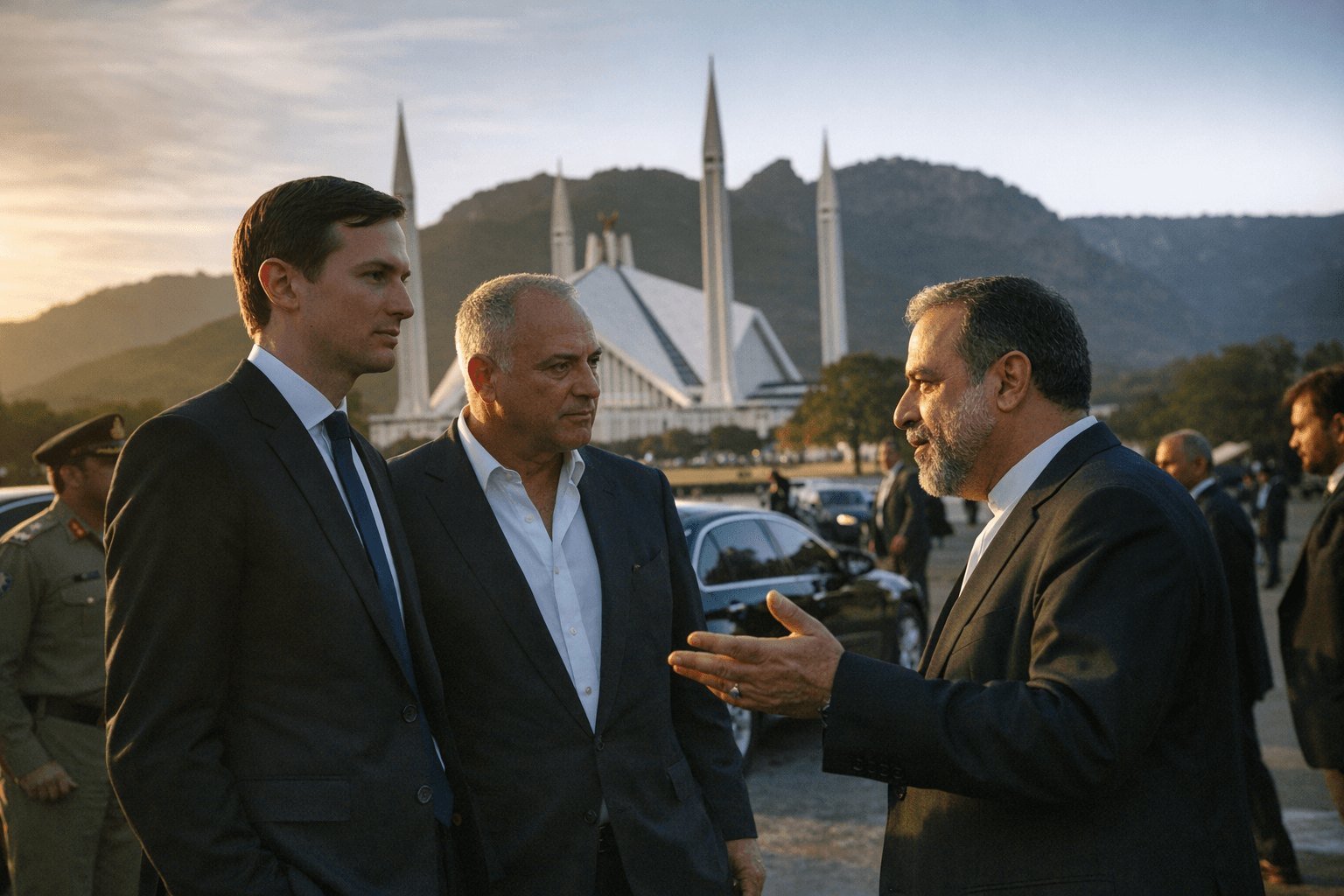
Abbas Araghchi arrived in Islamabad on Friday and said he was traveling to Islamabad, Muscat and Moscow to coordinate with partners on bilateral matters and regional developments. State media said he was believed to be carrying a written response to the American proposal. Iranian officials have portrayed that proposal as extremely maximalist and unreasonable, and Tehran has insisted that the naval blockade of Iranian ports must be lifted before it returns to negotiations. Iran has also dismissed the U.S. ceasefire extension as meaningless.
The U.S. delegation reflects how tightly this channel remains tied to Trump’s inner circle. Witkoff, the president’s special envoy, and Kushner, his son-in-law and a central figure in the administration’s Middle East diplomacy, are being sent instead of a traditional public negotiating team. Vice President JD Vance, who led the prior U.S. delegation to Islamabad, was not expected to attend and remained on standby in Washington with Trump, Secretary of State Marco Rubio and the national security team.
The timing also matters. The diplomatic effort has been unfolding alongside a broader regional crisis, including the separate White House-backed move that led Israel and Lebanon to extend their ceasefire by three weeks. Fighting involving Israel, Hezbollah and Iran-linked issues remains tied to the administration’s wider effort to end the war, and Pakistan’s role as mediator gives Washington a channel to test whether Iran’s written response can become the basis for a deal.
Trump said Iran would be making an offer, though he said he did not yet know what it would be. For now, the Pakistan talks look like the clearest test yet of whether Washington is opening a real negotiating off-ramp or simply trying to manage escalation before the conflict spreads further.
Know something we missed? Have a correction or additional information?
Submit a Tip