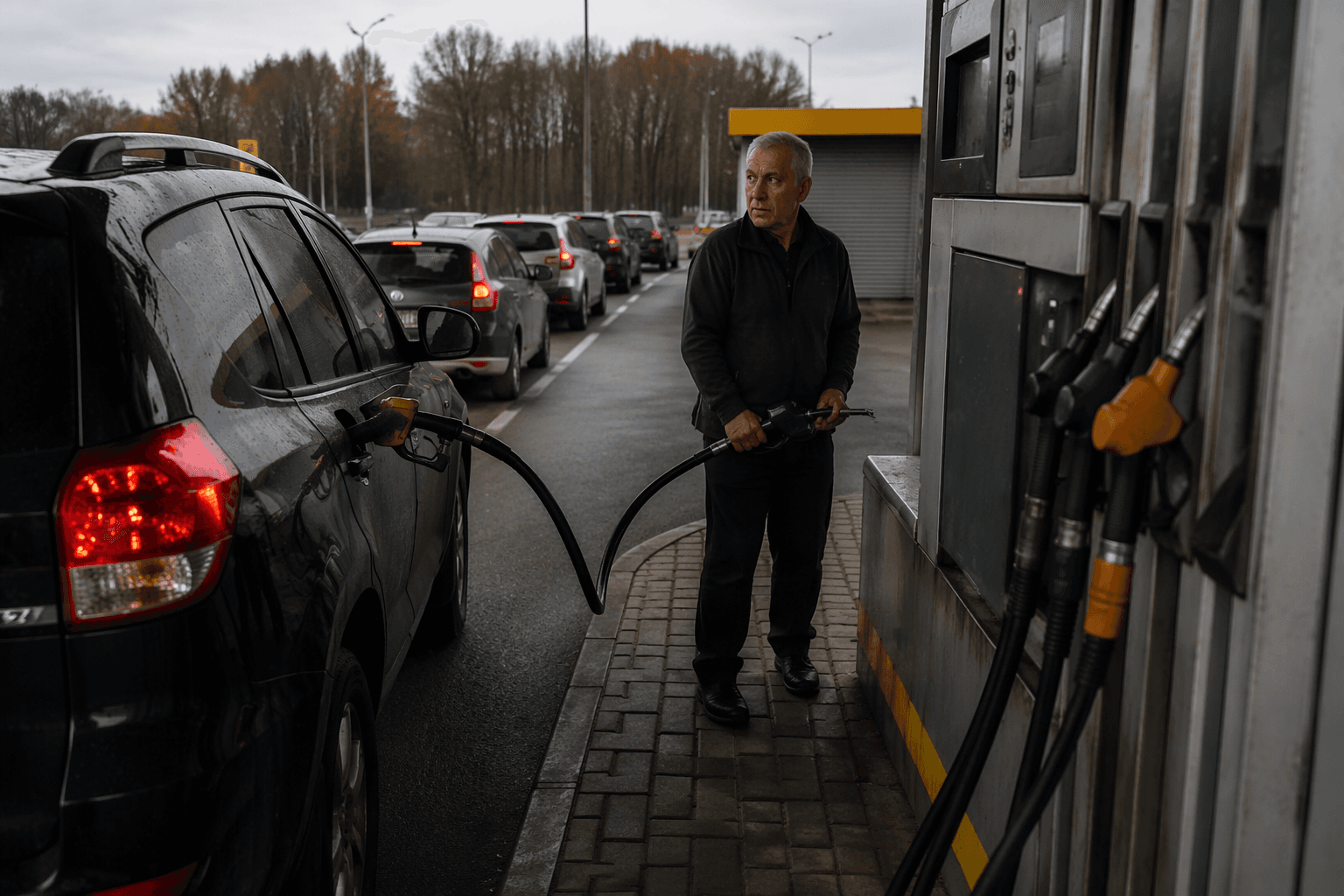
Chevron CEO warns commercial vessels face mine and land-based threats
Chevron’s chief executive said mines and land-based threats still put commercial vessels at risk, a warning that could keep oil markets on edge.
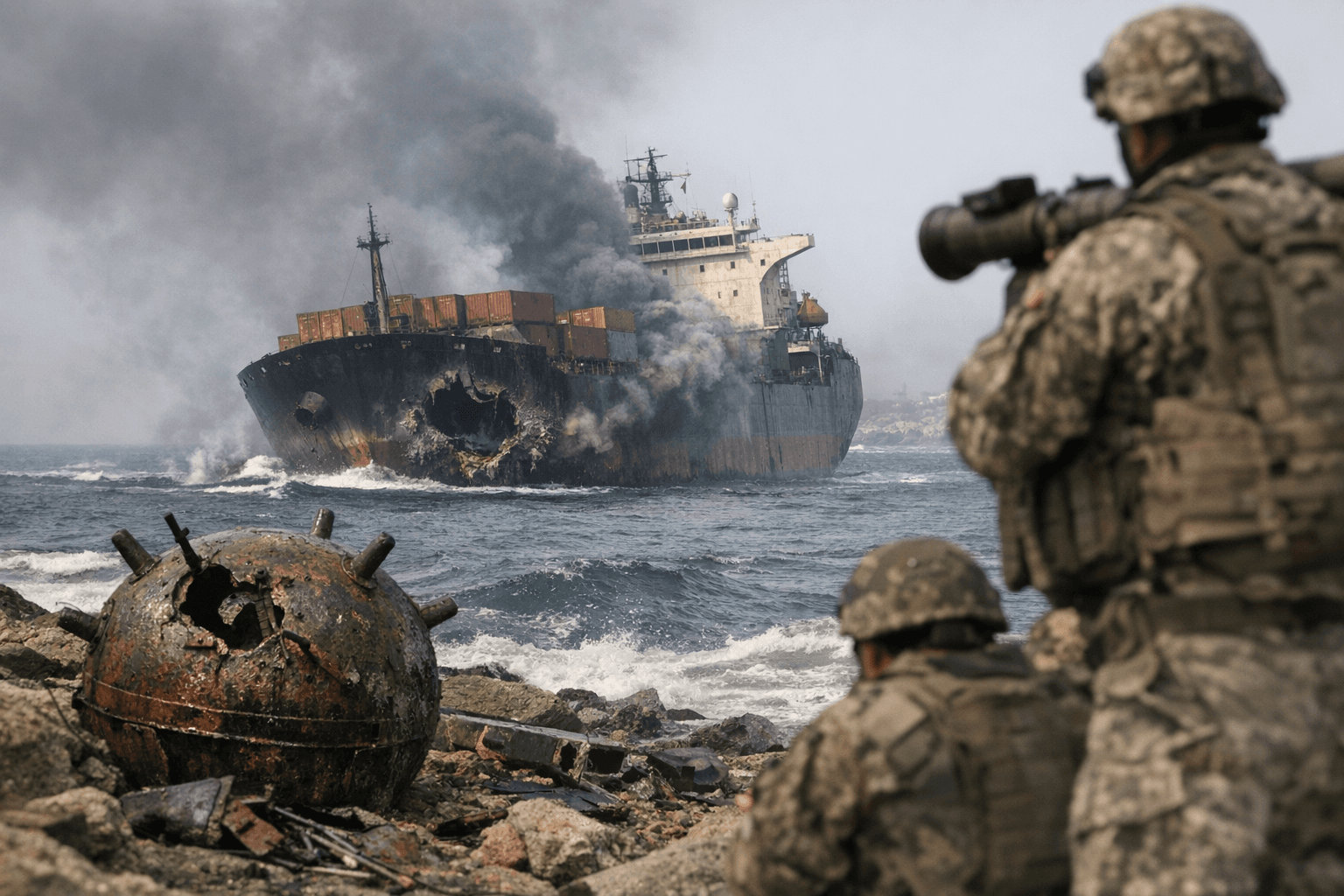
Chevron chief executive Mike Wirth warned that commercial vessels still faced mine and land-based threats, a reminder that a shipping crisis can linger even after the guns fall silent and a waterway appears to reopen.
Wirth made the point in an interview with Margaret Brennan on Face the Nation, sharpening attention on the Strait of Hormuz and the fragile machinery that keeps oil moving. His warning went beyond naval posturing at sea. Mines can close a route in minutes, and threats from shore can force tankers to slow, reroute or wait for protection before entering a dangerous passage.
That is why a reopening of the strait would not necessarily mean a clean return to normal trade. If tankers still need naval escorts, the cost of moving crude and refined products stays higher than it would in a fully secure lane. Insurance companies can price in the threat of mines, delays can stack up at choke points, and ship operators can be forced to absorb the extra time and expense of navigating under protection.

Those risks matter because energy markets react not only to physical disruption but to the uncertainty that follows it. A route can be technically open and still be commercially strained if captains, insurers and traders believe the next attack could come from the water or from the land. That is the kind of supply-chain vulnerability that keeps freight costs elevated and can feed through to oil and fuel prices long after headlines suggest the immediate danger has passed.
Wirth’s warning underscores how quickly a regional security problem becomes a global economic one. When commercial vessels cannot move freely, the pressure does not stop at the shoreline. It moves through tanker schedules, insurance desks, refinery margins and, ultimately, the prices paid by consumers far from the Strait of Hormuz.
This article was produced by Prism’s automated news system from verified source data, official records, and press releases, then run through automated quality and moderation checks before publishing. The system is built and supervised by the people who set the standards it runs under. Read our full AI policy.
Did this article answer your question?