Iran Demands End to U.S. Blockade Before Resuming Talks
Iran tied any return to talks to lifting the U.S. port blockade, as maritime traffic, oil flows and a fragile ceasefire came under mounting strain.
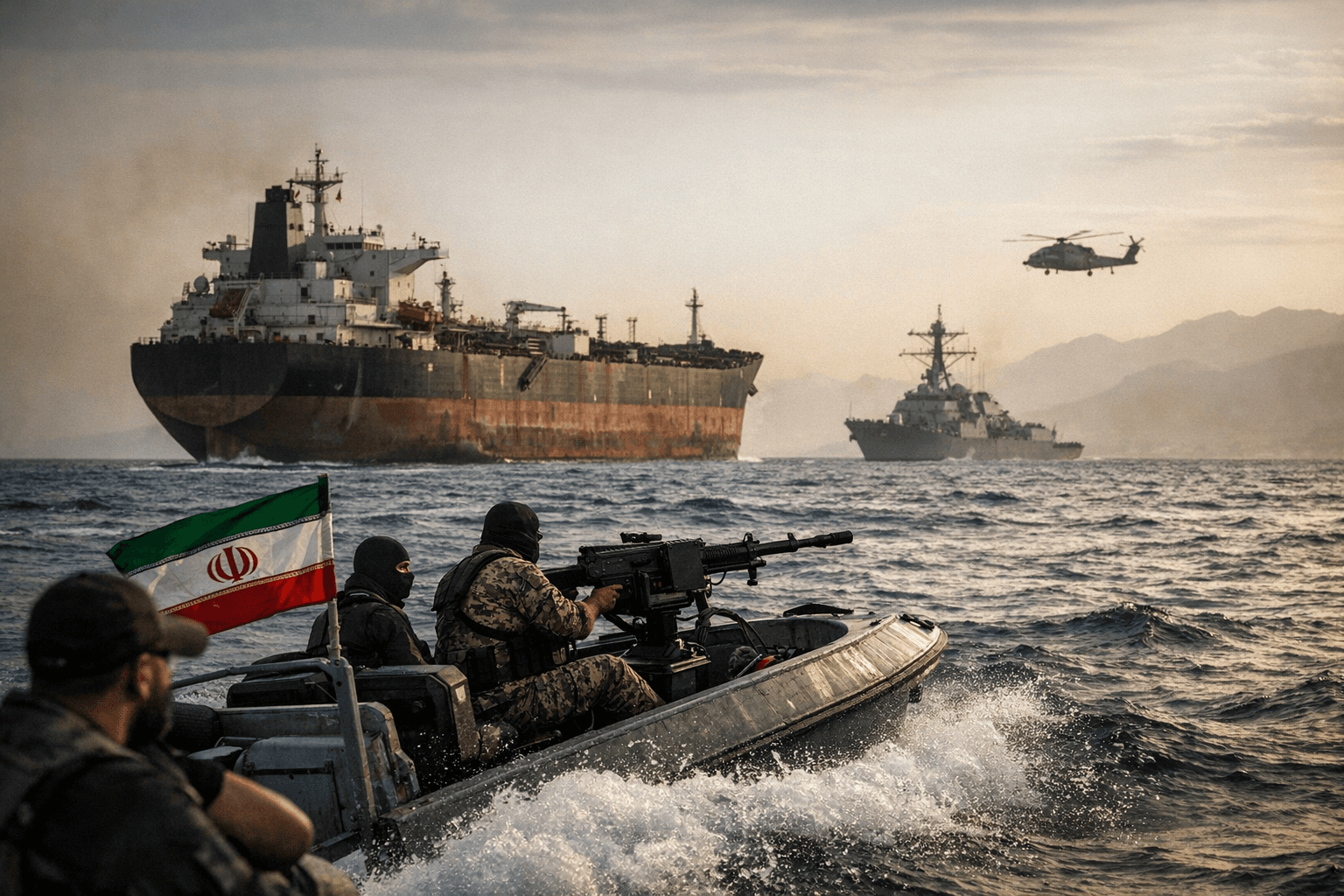
The U.S. blockade of Iranian ports has pushed shipping risk, oil-market nerves and the danger of a broader regional war to the center of the conflict. Iran’s sea trade powers about 90% of its economy, and the shutdown of maritime traffic entering and exiting Iranian ports has already cut into a vital artery that links the Persian Gulf, the Gulf of Oman and the Strait of Hormuz.
U.S. Central Command said the blockade began on April 13, 2026, at 10 a.m. ET and applies to all maritime traffic entering and exiting Iranian ports. Defense Secretary Pete Hegseth said U.S. forces had stopped 34 vessels since President Donald Trump imposed the order, and CENTCOM later said the blockade continued. Hegseth also said a second aircraft carrier would soon join the effort, a sign that Washington is preparing for a prolonged standoff rather than a short enforcement action.
Tehran has made the blockade a red line. Mohammad Bagher Ghalibaf, the speaker of the Iranian parliament, said reopening the Strait of Hormuz is “not possible” while the U.S. naval blockade remains in place. He called it a “blatant violation” of the ceasefire. That stance matters because the strait is one of the world’s most sensitive chokepoints, and any sustained disruption there can ripple through tanker routes, freight rates and oil prices far beyond the region.
The test for U.S. war aims is what “as long as it takes” means in practice. Militarily, it signals a willingness to keep carrier groups, naval patrols and interdictions in place until Iran changes course. Legally, it means Washington is betting it can sustain the blockade as a coercive measure tied to the ceasefire and talks, even as Tehran challenges its legitimacy. Economically, it means absorbing the cost of disrupted shipping, higher insurance premiums and the chance that energy markets remain volatile for weeks or longer.
Success would mean Iran returns to talks on terms Washington can accept, the blockade is lifted without forcing a wider naval confrontation, and maritime traffic in and out of Iranian ports resumes without another escalation. Failure would look different: more vessels seized or turned back, a second carrier locked into the Persian Gulf posture, trade routes staying shut, and the conflict spreading from a blockade into a prolonged regional war that drags on both oil markets and U.S. resolve.
This article was produced by Prism’s automated news system from verified source data, official records, and press releases, then run through automated quality and moderation checks before publishing. The system is built and supervised by the people who set the standards it runs under. Read our full AI policy.
Did this article answer your question?