Colombia presses Glencore to discuss Cerrejón coal mine closure plan
Bogotá wants Glencore to sit down in La Guajira on Cerrejón's future, as a 16.8-million-ton mine tests Colombia's just-transition promises.
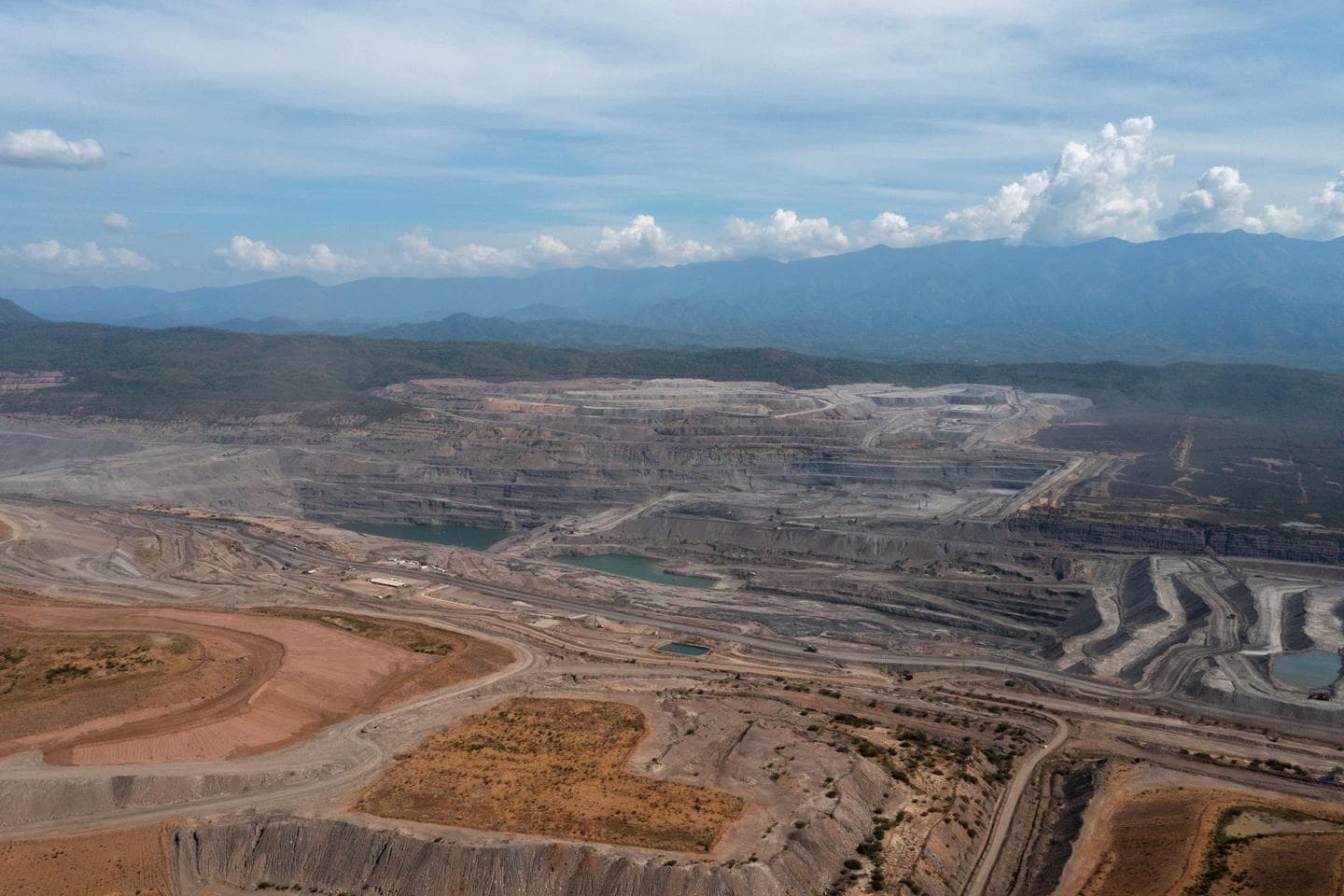
Colombia’s government has pushed Glencore to meet with authorities in La Guajira and community representatives about Cerrejón’s closure plan, turning the fate of one of the world’s biggest coal mines into a test of whether the country can manage climate transition without hollowing out a region built around mining. The mine ended 2025 with 16.8 million tons of coal production, down 12.5% from 2024, a slide that has brought shutdown planning closer to the center of Colombia’s political debate.
Glencore took full ownership and operating control of Cerrejón on January 11, 2022, after completing the purchase of Anglo American’s and BHP’s remaining 33.3% interests. At the time, Glencore said the acquisition fit its climate change strategy and emissions-reduction targets. In its full-year 2025 production report, the company said energy coal output reached 98.0 million tonnes, down 2% from 2024, and said the decline mainly reflected voluntary Cerrejón production cuts announced in March 2025.
The scale of the mine explains why the closure conversation is so politically charged. Cerrejón is described by the company and outside sources as one of the largest open-pit coal-export operations in the world and the largest open-pit mine in Latin America. Industry-linked sources say it employs more than 12,500 workers including contractors, while another account puts the figure above 13,000 workers and affected communities across La Guajira. Any retrenchment would ripple through payrolls, local suppliers, transport routes and the royalty streams that have long tied the province to Colombia’s coal economy.
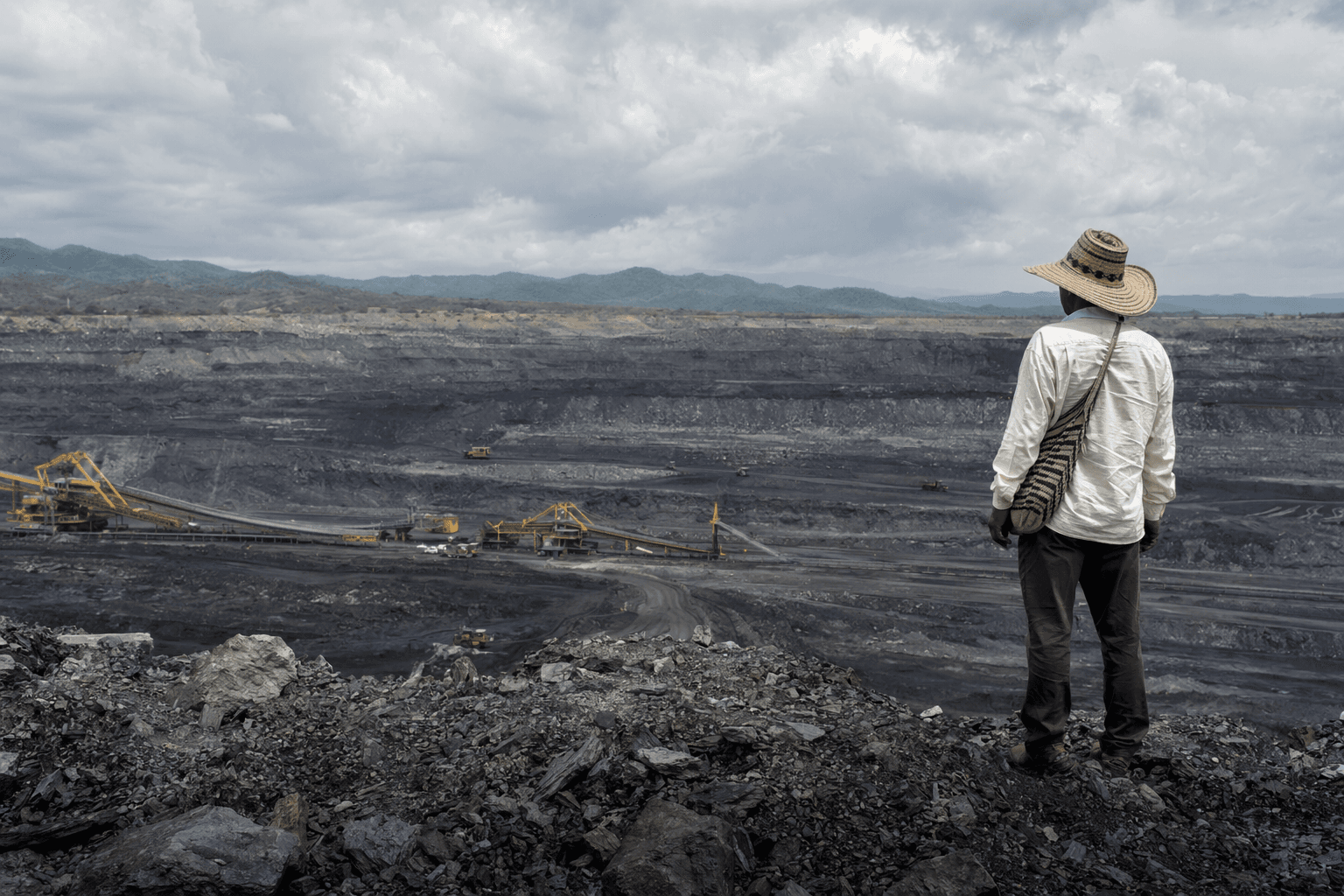
Bogotá is trying to frame the discussion as a transition rather than an exit. A ministry statement said the talks should cover investments in energy, worker retraining, workforce development and new ventures focused on clean energy. The Ministry of Mines and Energy says the Colectora transmission project is due in August 2026 and will connect more than 1,000 megawatts of renewable power from La Guajira to the national grid, a link the government sees as central to its energy transition.
President Gustavo Petro sharpened the stakes on January 30, 2026, when he called for a faster pacto por la vida with Glencore in La Guajira and said the wealth from coal extraction had not translated into public benefits for the region. For communities in Uribia, Riohacha, Albania and Bahía Portete, the argument goes beyond corporate strategy. Cerrejón has long been at the center of disputes over water diversion and impacts on Wayuu communities, leaving Bogotá and Glencore with a hard choice: fund a just transition, or leave La Guajira to absorb the social cost of coal’s decline.
This article was produced by Prism’s automated news system from verified source data, official records, and press releases, then run through automated quality and moderation checks before publishing. The system is built and supervised by the people who set the standards it runs under. Read our full AI policy.
Did this article answer your question?


