U.S. and Iran near nuclear deal as Strait of Hormuz tensions rise
A 14-point U.S.-Iran framework was close, but the Strait of Hormuz and sanctions relief remained the hard edges of any deal.
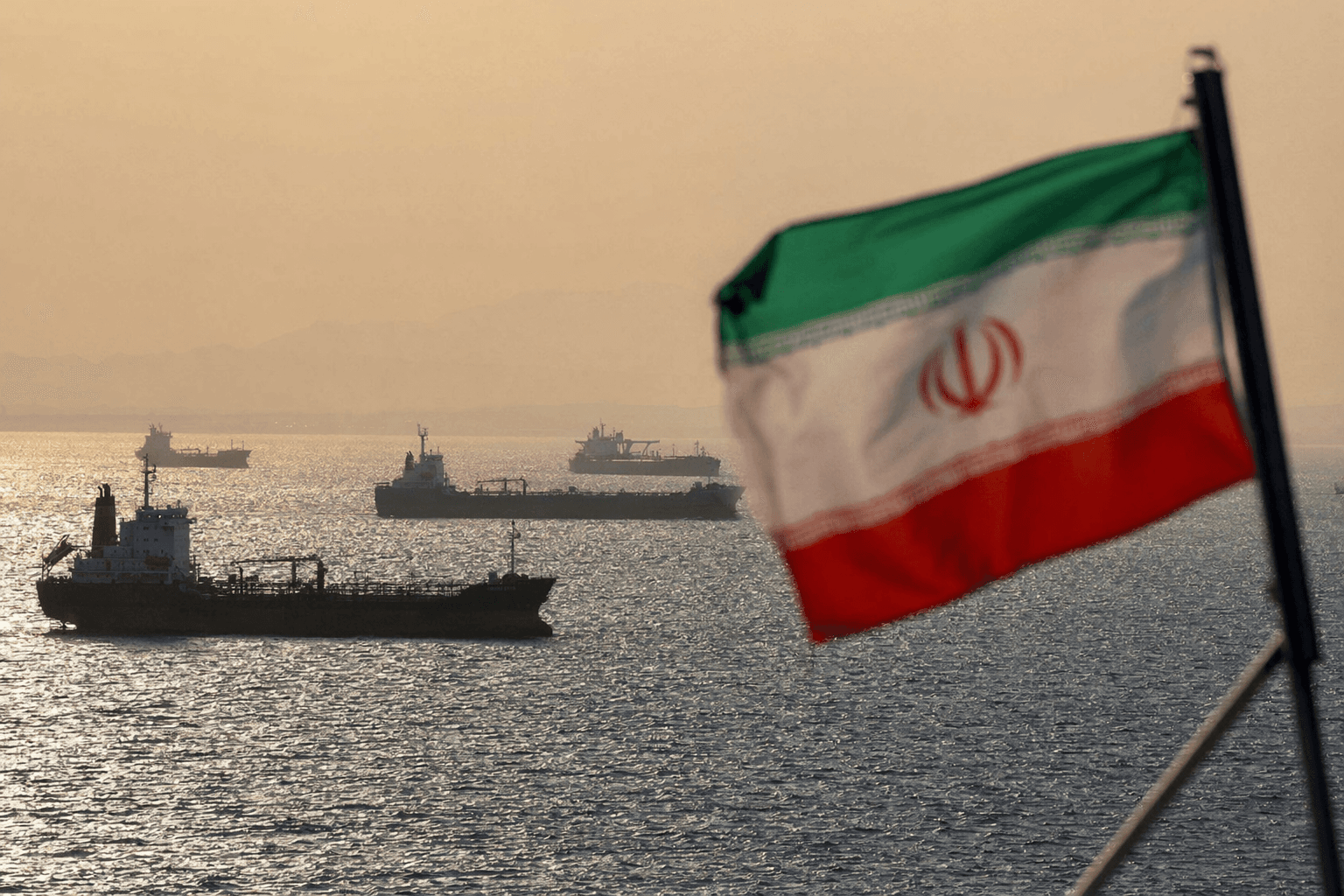
A one-page, 14-point U.S.-Iran memorandum was emerging as the narrowest path between a ceasefire and a wider regional shock, even as the Strait of Hormuz stayed the most dangerous pressure point in the talks. Iranian officials were reviewing the proposal and were expected to respond within 48 hours, a sign that Washington and Tehran had moved from broad signaling to the question of what each side could actually live with.
The shape of the bargain was still fragile. For the Trump administration, the most realistic concession was phased sanctions relief, not an open-ended rollback. For Iran, the hardest choices centered on uranium enrichment, the size and fate of its stockpile, and whether it would accept tighter limits that could be verified by outsiders. A durable settlement would need more than a pause in fighting; it would require clear rules on enrichment, a concrete answer on sanctions, and some form of regional security arrangement that reduced the risk of renewed attacks at sea. Anything less would amount to a temporary truce with a clock ticking toward the next crisis.
That urgency came from the Strait of Hormuz, through which an average of 20 million barrels a day of crude oil and oil products moved in 2025, according to the International Energy Agency. The U.S. Energy Information Administration says the waterway carries about one-fifth of global petroleum liquids consumption and about one-fifth of global LNG trade, and it warns that few alternatives exist if the passage is closed. In practical terms, that gives Tehran leverage far beyond the battlefield and gives Washington a strong incentive to keep shipping lanes open.
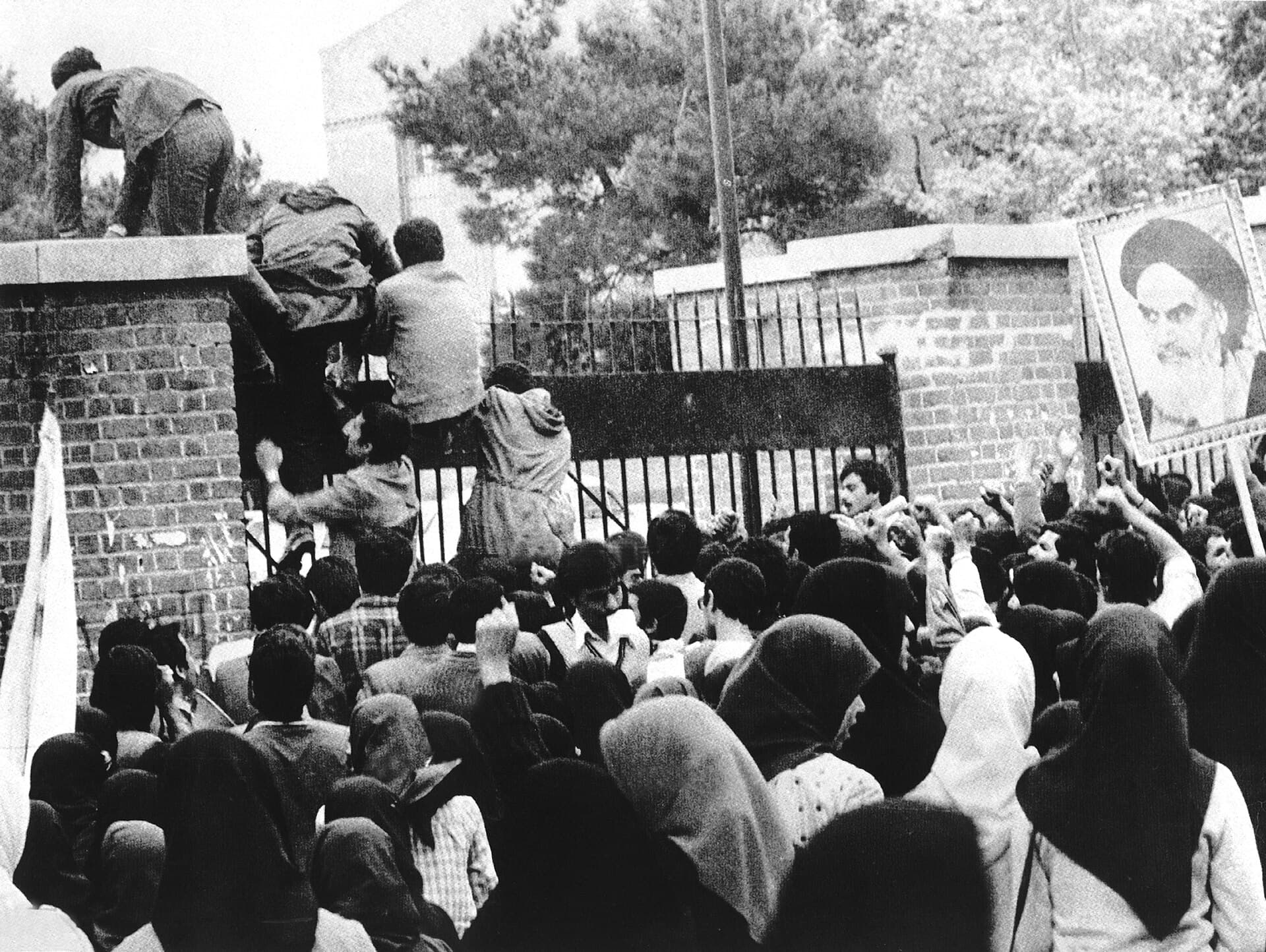
The State Department said on May 5 that the United States, Bahrain and other Gulf partners proposed a United Nations Security Council resolution aimed at defending freedom of navigation in the Strait of Hormuz. The draft would require Iran to stop attacks, mining and tolling. That diplomacy is part warning, part pressure campaign, and it shows how closely the nuclear track has become tied to maritime security.
Mehrzad Boroujerdi, the Vice Provost and Dean of the College of Arts, Sciences, and Education at Missouri University of Science and Technology, has spent years studying Iranian history and politics after senior posts at Virginia Tech and Syracuse University. His scholarship reflects the central dilemma now facing negotiators: a deal that leaves the nuclear issue unresolved will not last, but a deal that tries to solve everything at once may collapse under the weight of sanctions, shipping, and the wider economic fallout of war.
This article was produced by Prism’s automated news system from verified source data, official records, and press releases, then run through automated quality and moderation checks before publishing. The system is built and supervised by the people who set the standards it runs under. Read our full AI policy.
Did this article answer your question?


