Trump Announces Three-Day Russia-Ukraine Ceasefire, As Iran Weighs U.S. Peace Deal
A three-day battlefield pause runs through Russia’s Victory Day, but its durability is already under pressure as Washington waits for Iran to answer a separate peace proposal.

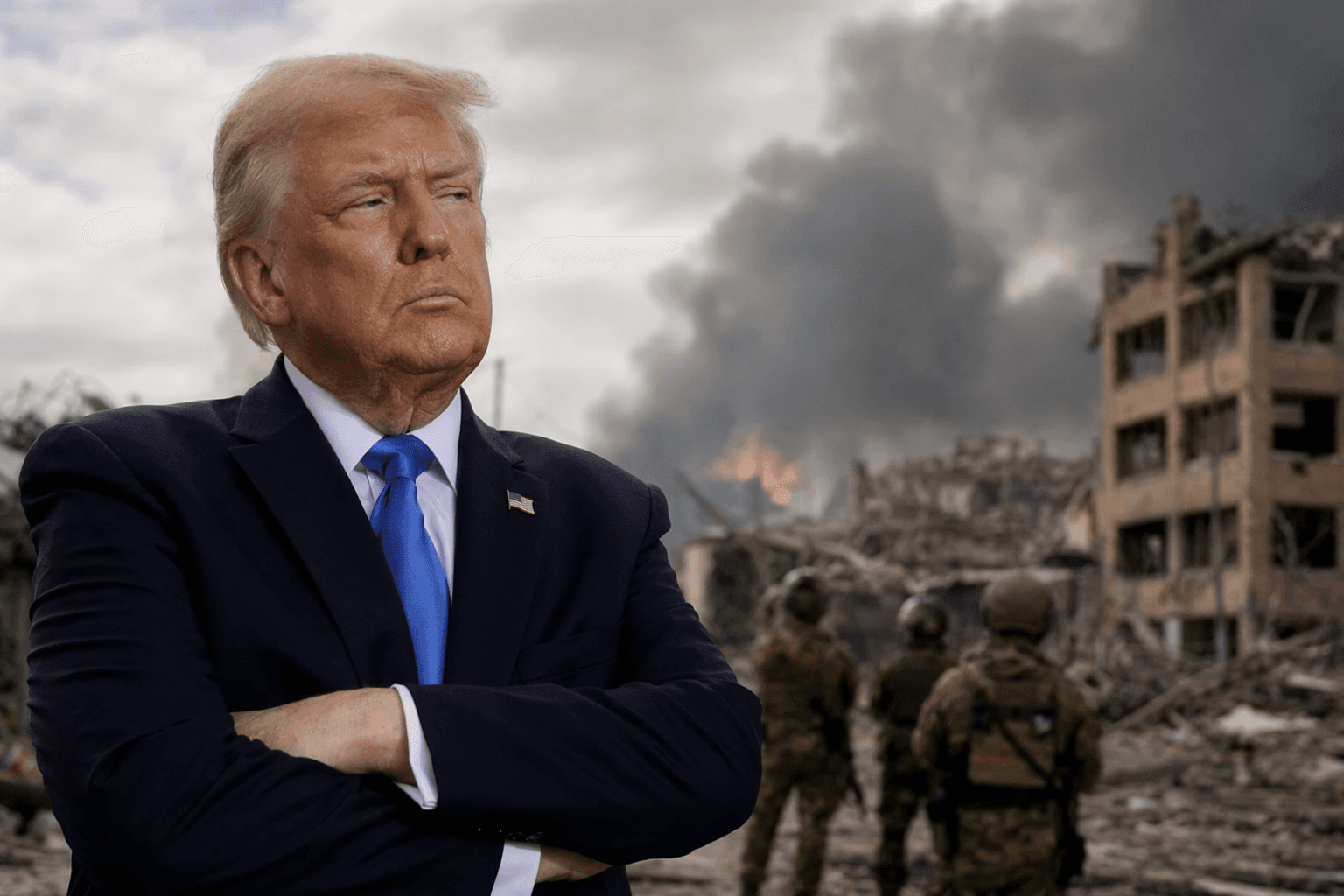
A three-day battlefield pause will run from Saturday, May 9, through Monday, May 11, with Donald Trump saying the ceasefire between Russia and Ukraine could be extended and would include an exchange of 1,000 prisoners from each side. The timing puts the truce directly over Russia’s Victory Day commemorations in Moscow and Red Square, a politically charged holiday that marks the Soviet defeat of Nazi Germany in World War II.
The narrow window gives the agreement an immediate test on the ground. Russia and Ukraine had already seen earlier short-term truces and separatist ceasefire declarations collapse, and the latest pause lands after repeated fighting that has made even brief de-escalation hard to sustain. Trump said the leaders of Russia and Ukraine had agreed to his request, and U.S. and Russian officials had been pressing for a break in the violence as Victory Day approached.
The Kremlin has framed the holiday pause as a symbolic break, while Vladimir Putin had been pushing for the short halt to fall over the May 9 observances. Volodymyr Zelenskyy’s government has been under pressure to weigh any pause against the reality of battlefield conditions, where a ceasefire lasting only 72 hours can be difficult to verify, monitor and extend. For now, the agreement is less a peace settlement than a limited test of whether either side will hold fire long enough to build momentum for something larger.
At the same time, Washington was waiting for Iran to answer a separate U.S. peace proposal that could formally end the war between the two sides, while leaving unresolved the hardest questions in the talks. Marco Rubio said the administration expected Iran’s response on Friday, May 8, 2026, and Trump said he believed Iran wanted a deal. Iranian officials said Tehran would respond after reviewing the proposal and rejected deadlines or ultimatums.
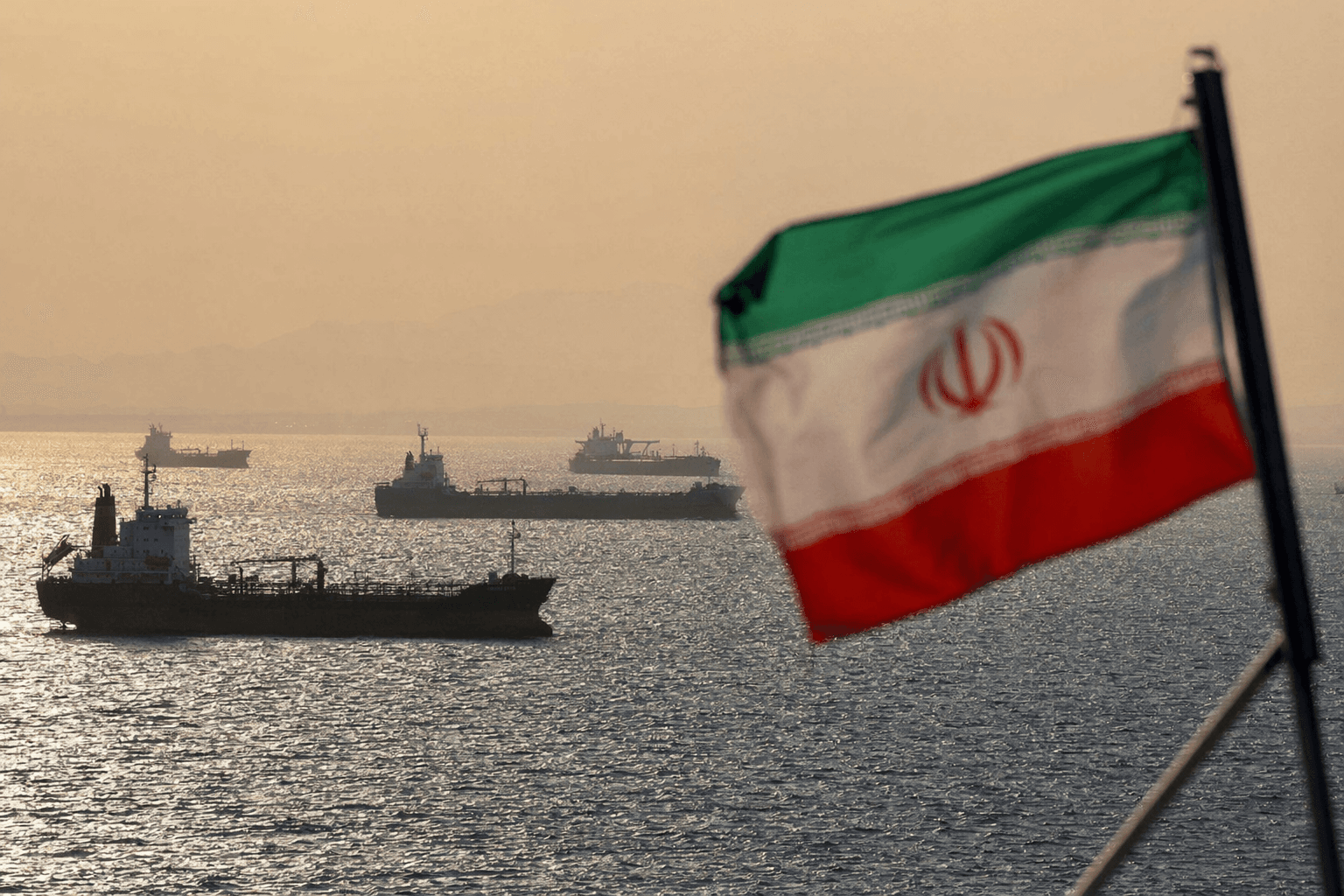
The outline under discussion carries major economic stakes. The proposal would leave open the dispute over Iran’s nuclear program and the reopening of the Strait of Hormuz, the critical shipping lane that, before the war, handled about one-fifth of the world’s oil and gas supply. Any deal that touched that chokepoint could quickly affect global energy markets, sanctions relief and the wider balance of power in the region, but the gap between negotiation and agreement remains wide.
Know something we missed? Have a correction or additional information?
Submit a Tip