Britain deploys HMS Dragon to Middle East for future Hormuz mission
Britain is sending HMS Dragon to the Middle East, but the destroyer will wait outside the Strait of Hormuz until fighting ends. The move targets a chokepoint that carries about a fifth of the world’s oil.
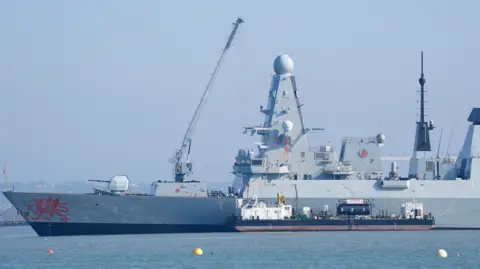
Britain has moved HMS Dragon to the Middle East as part of planning for a future multinational mission to protect shipping in the Strait of Hormuz, a step that signals how seriously London and Paris view the risk to global energy routes even before any escort operation begins.
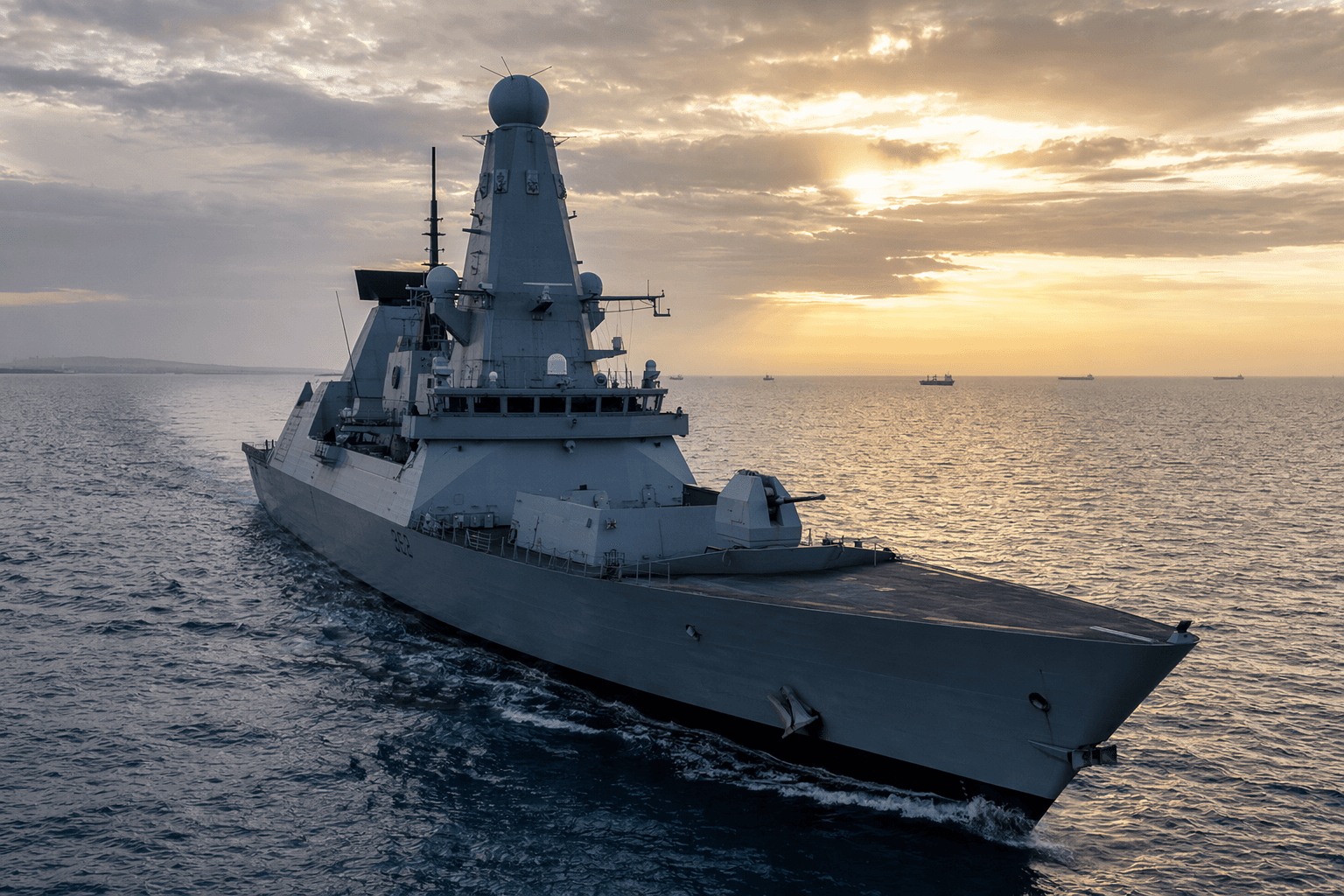
The Ministry of Defence said the Royal Navy Type 45 air-defence destroyer was being pre-positioned and would join the operation only when conditions allow after fighting ends. The deployment is part of what officials described as prudent planning for a UK- and France-led coalition aimed at reopening the waterway after a sustainable ceasefire.
The decision matters far beyond the warships themselves. The Strait of Hormuz is one of the world’s most important energy chokepoints, with the International Energy Agency saying an average of 20 million barrels per day of crude oil and oil products passed through it in 2025. The U.S. Energy Information Administration said about one-fifth of global petroleum liquids consumption and around one-fifth of global LNG trade moved through the strait in 2024, making any disruption a threat to shipping insurers, energy markets and household costs across Europe and beyond.
The geometry of the passage helps explain the urgency. At its narrowest point, the Strait of Hormuz is only 29 nautical miles wide, with two-mile-wide shipping lanes and a buffer zone. That leaves commercial traffic highly exposed, and it is why Britain and France have spent weeks building a broader coalition rather than waiting for a crisis at sea to worsen.
Military planners from more than 30 nations met at the UK’s Permanent Joint Headquarters in Northwood, London, on 22 and 23 April to advance detailed plans for the mission. France said the international community was determined to support freedom of navigation, uphold international law and protect global economic stability and energy security.
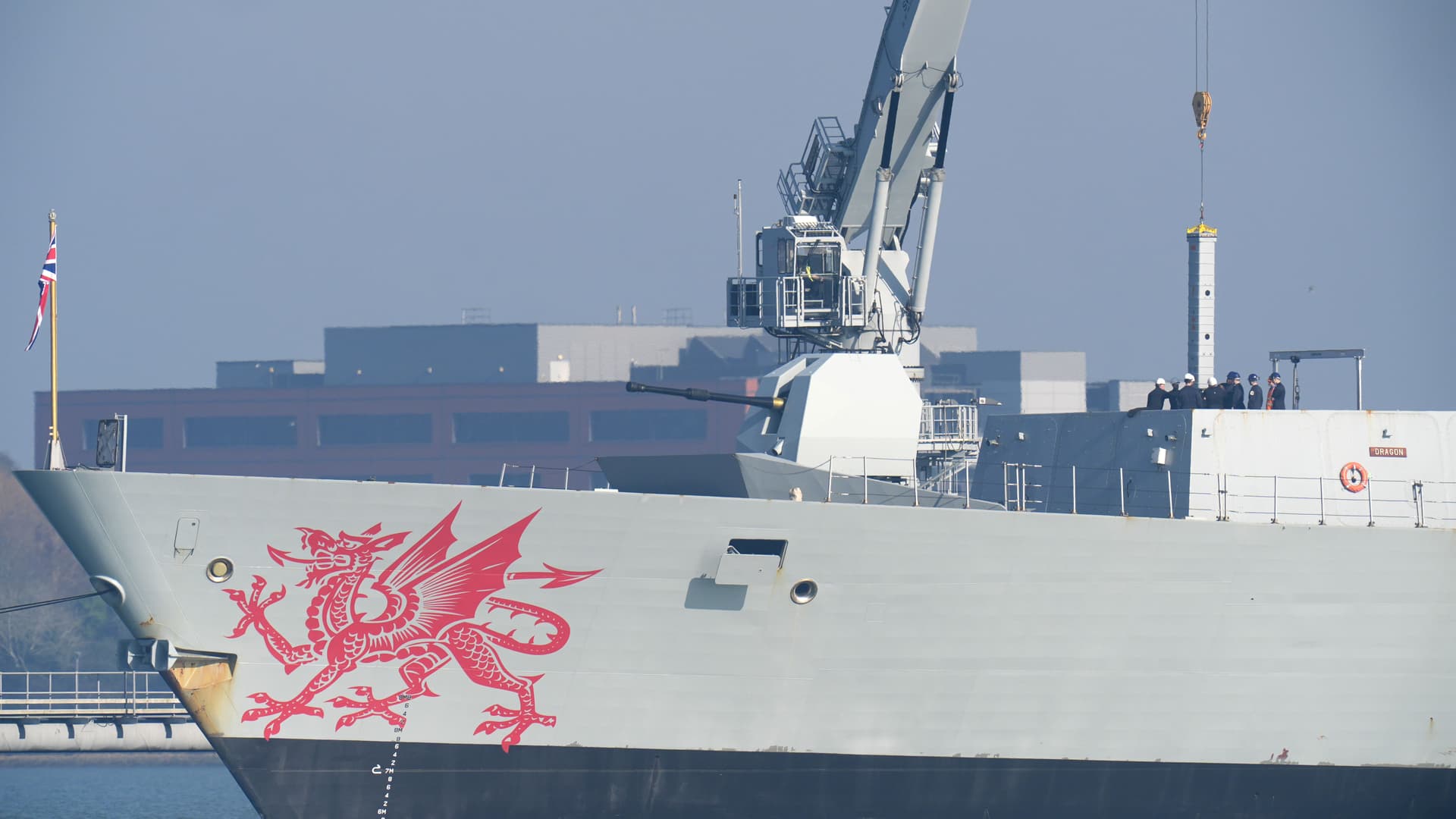
HMS Dragon had already been sent to the Eastern Mediterranean in March, shortly after the start of the Iran war, to help defend Cyprus and safeguard UK assets and interests. The Royal Navy said the Portsmouth-based destroyer sailed from Portsmouth on 10 March after a rapid readiness period and used its Sea Viper missile system in the region. Wildcat helicopters armed with Martlet missiles were also deployed, while a Merlin Mk2 arrived in Cyprus.
Dragon is one of six Type 45 destroyers and one of the Royal Navy’s most advanced warships, normally crewed by about 191 sailors with accommodation for up to 235. The deployment highlights both Britain’s intent to keep pressure on maritime threats and the strain on a navy expected to cover mine countermeasures, air defence and shipping protection across a volatile region at once.
This article was produced by Prism’s automated news system from verified source data, official records, and press releases, then run through automated quality and moderation checks before publishing. The system is built and supervised by the people who set the standards it runs under. Read our full AI policy.
Did this article answer your question?