Colombia runoff pits far-right outsider against left-wing ally of Petro
Abelardo de la Espriella and Iván Cepeda advanced to a June 21 runoff after Colombia's vote split almost evenly, with security fears driving the race.
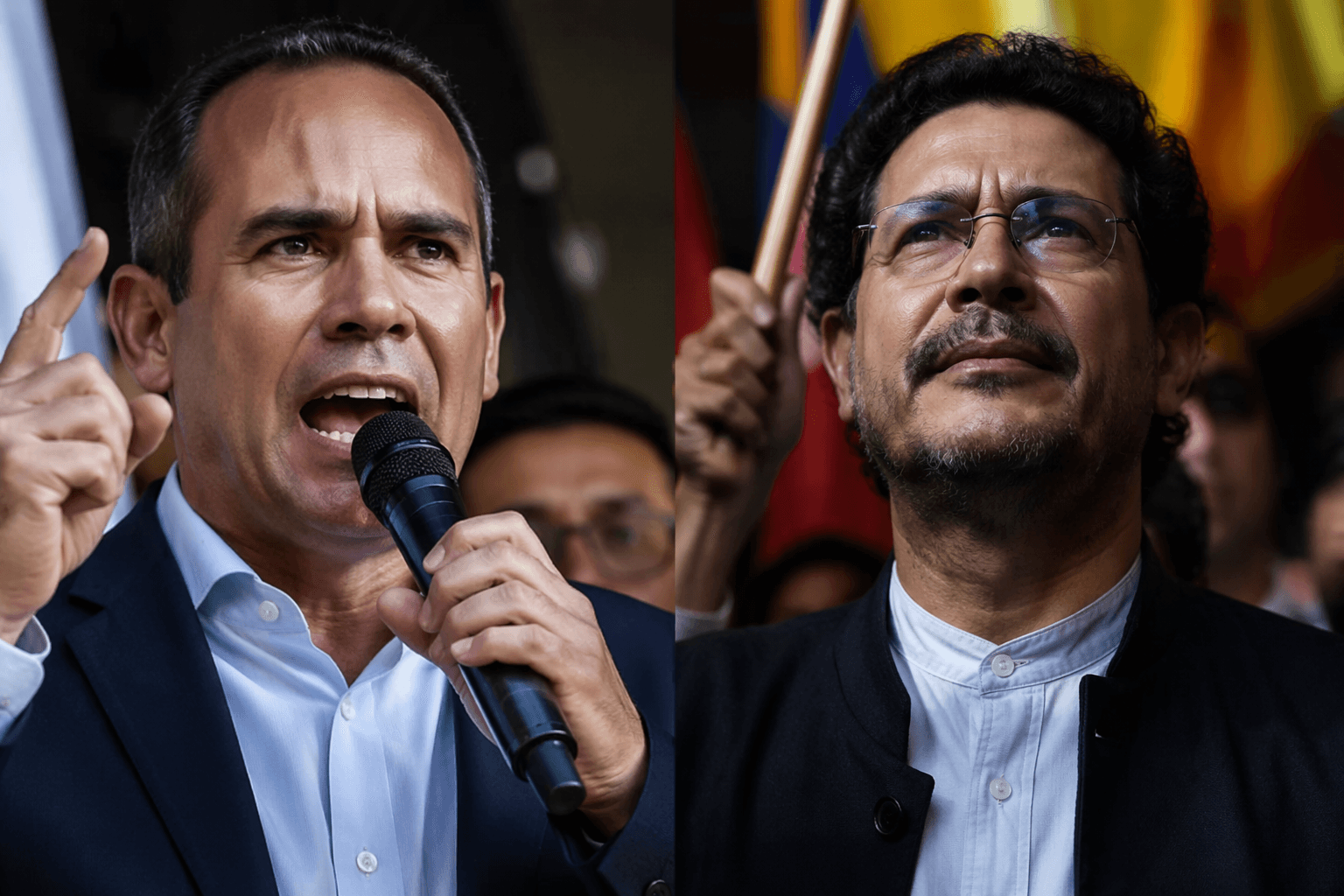
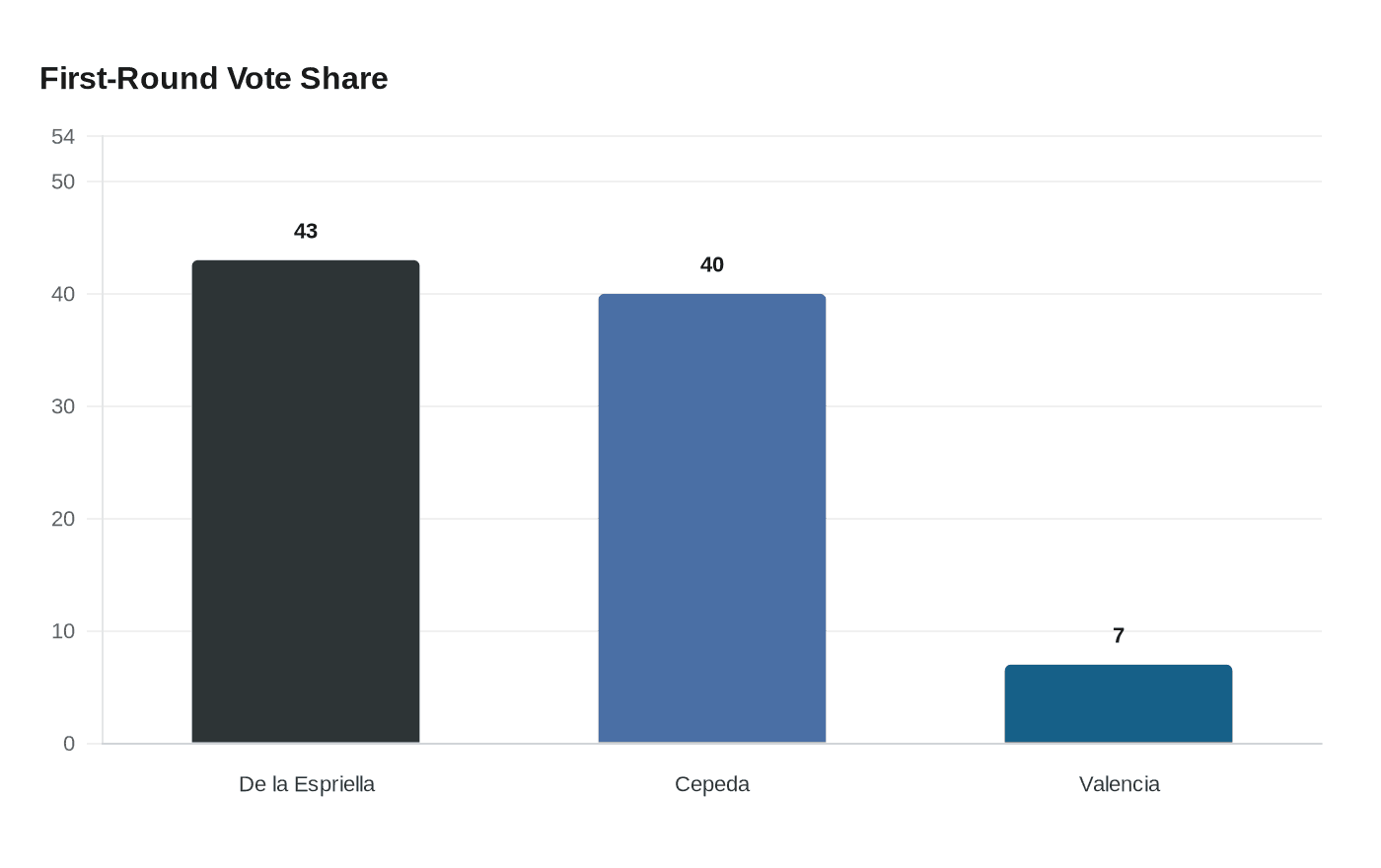
A businessman-lawyer who campaigned as a Trump supporter and a left-wing senator loyal to Gustavo Petro moved into a June 21 runoff after Colombia's presidential race failed to produce a majority winner, setting up a test of whether the country is joining Latin America's rightward swing or resisting it. Abelardo de la Espriella led the first round with about 43 percent of the vote, while Iván Cepeda finished with roughly 40 percent. Paloma Valencia, the center-right candidate who had once been seen as a leading contender, fell to third with less than 7 percent, and no one crossed the 50 percent threshold needed to win outright.
The campaign turned on security, a theme sharpened by the June 2025 assassination of a presidential hopeful and threats against other candidates. De la Espriella built his pitch around a hard crackdown on criminal groups, while Cepeda promised to continue Petro's "total peace" approach. The contrast has made the runoff more than a personality contest. It has become a verdict on Petro's legacy, which includes labor reforms and minimum-wage increases but also scandals and intense criticism of his security strategy. Polls had generally shown Cepeda ahead in the final weeks, but analysts said de la Espriella could benefit from consolidation of right-wing votes, including support that might flow from Valencia's base.
The result also will shape how Colombia is governed long after the ballots are counted. Legislative elections on March 8 exposed a fragmented political field and a sharp left-right divide over violence, corruption and the economy. Petro's Historic Pact won the most seats in both the Senate and the House, while Álvaro Uribe's Democratic Center took the second-most seats in each chamber. That balance suggests the next president, whether Cepeda or de la Espriella, will need cross-party alliances to govern effectively.
For Washington, the stakes are unusually high. The Congressional Research Service describes Colombia as one of the United States' top security partners in Latin America, and U.S. officials and some members of Congress have voiced concern about Petro's counterdrug and security policies, record cocaine production and rising violence. Petro is constitutionally barred from seeking reelection, and the winner will take office on August 7. More than 41 million registered voters helped produce a field that is now narrowing to two sharply different visions: Cepeda's defense of Petro's coalition, or de la Espriella's promise of a tougher line that could align Colombia more closely with the region's conservative turn.
This article was produced by Prism’s automated news system from verified source data, official records, and press releases, then run through automated quality and moderation checks before publishing. The system is built and supervised by the people who set the standards it runs under. Read our full AI policy.
Know something we missed? Have a correction or additional information?
Submit a Tip