European leaders condemn Israel’s deepest incursion into Lebanon in 26 years
Israeli troops took Beaufort Castle, 14.5 kilometers from the border, in their deepest push into Lebanon in 26 years, while Europe’s warnings stayed largely verbal.

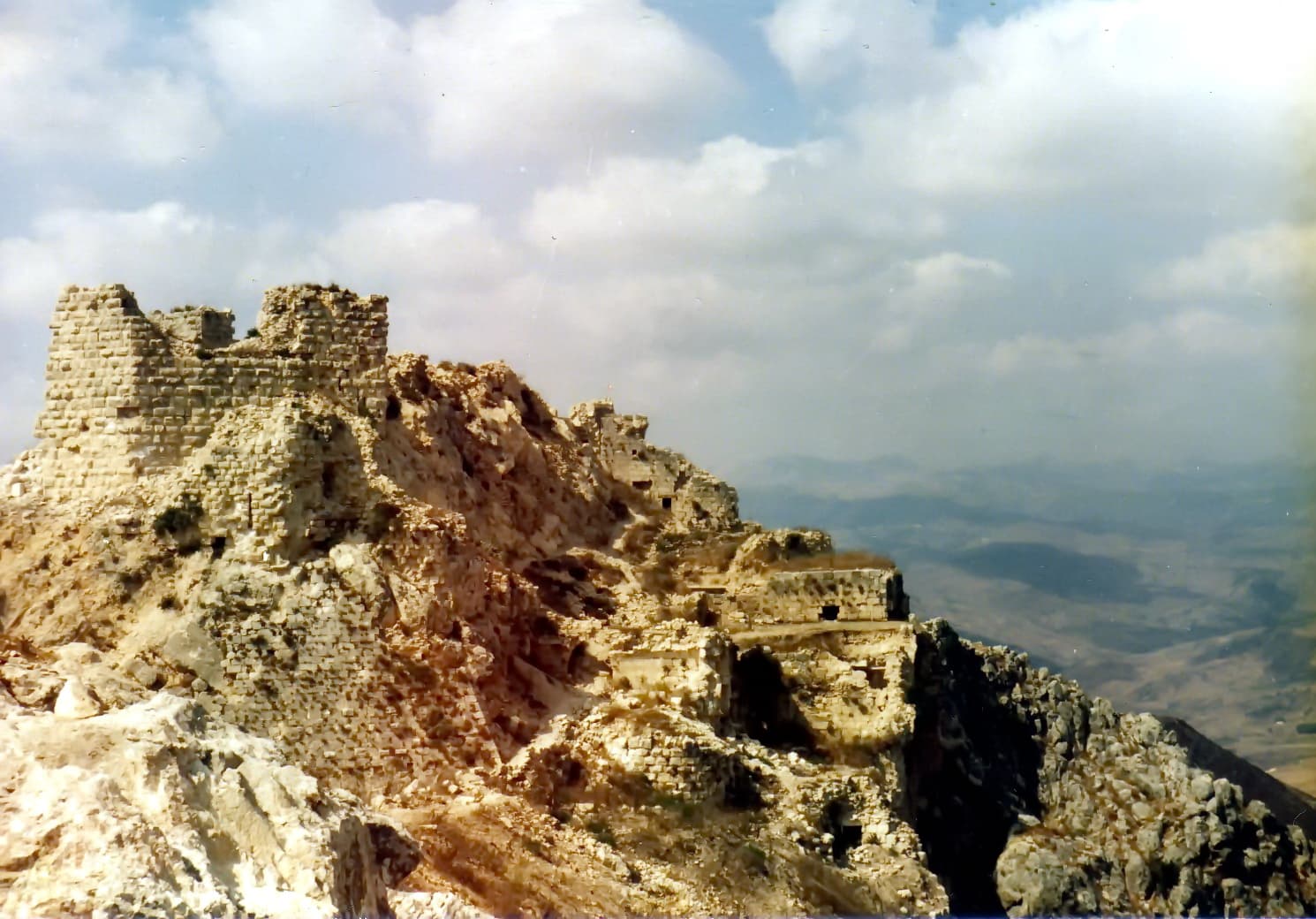
Israeli troops seized Beaufort Castle, a Crusader-built stronghold near Nabatiyeh in southern Lebanon, after days of fighting and pushed to a point about 14.5 kilometers, or 9 miles, from the Israeli border. The capture marked Israel’s deepest incursion into Lebanon in 26 years and followed Benjamin Netanyahu’s order to deepen the operation and expand a security buffer zone in the south.
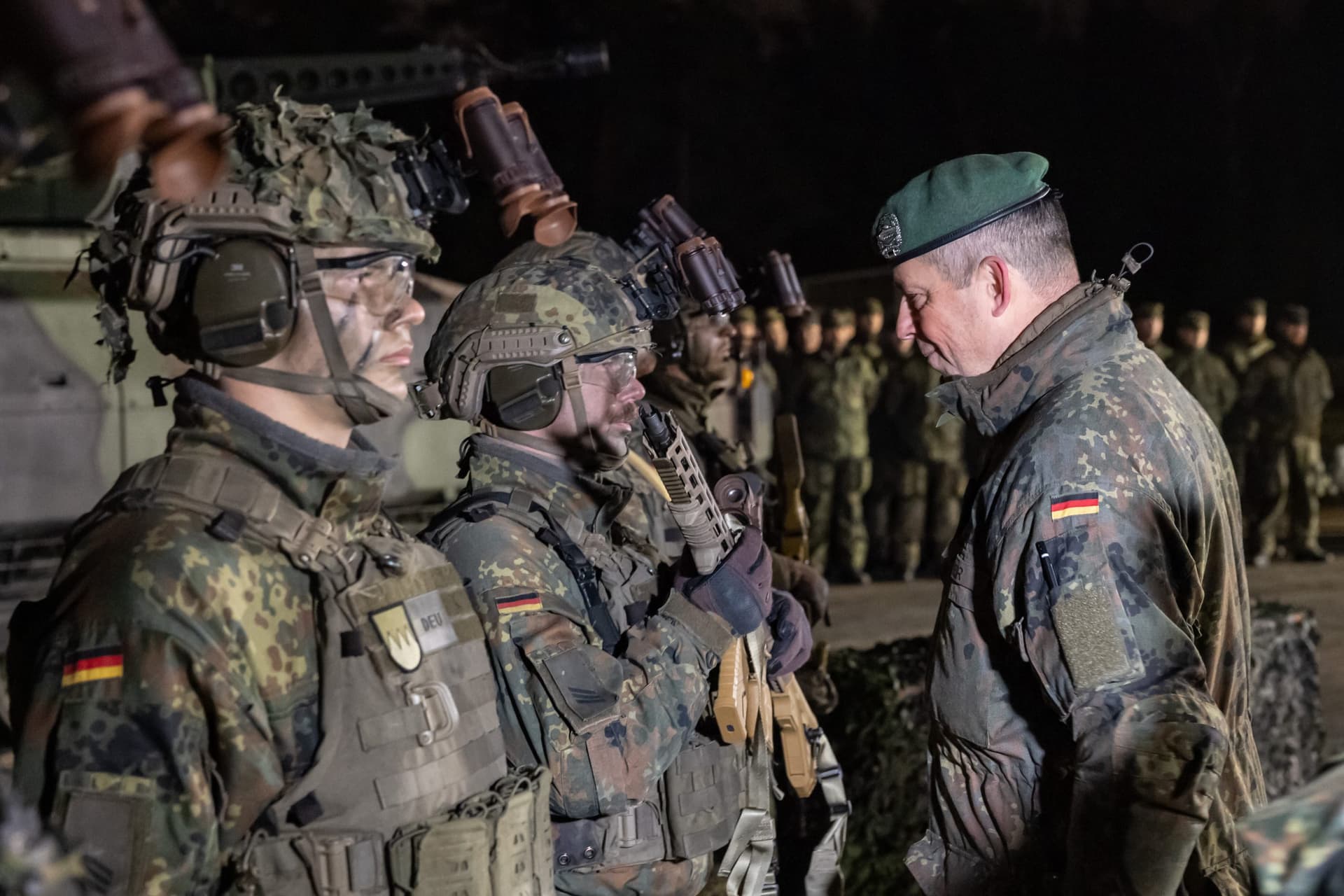
The move landed as European leaders were already warning against a ground incursion, but their response has so far stopped well short of anything that could force a military change. The European External Action Service reaffirmed support for UNIFIL, called for deconfliction channels to remain open, condemned attacks on peacekeepers, and voiced concern about the forced displacement of more than 1 million people in Lebanon. Germany warned that the widening offensive could drive the region into a deeper crisis.
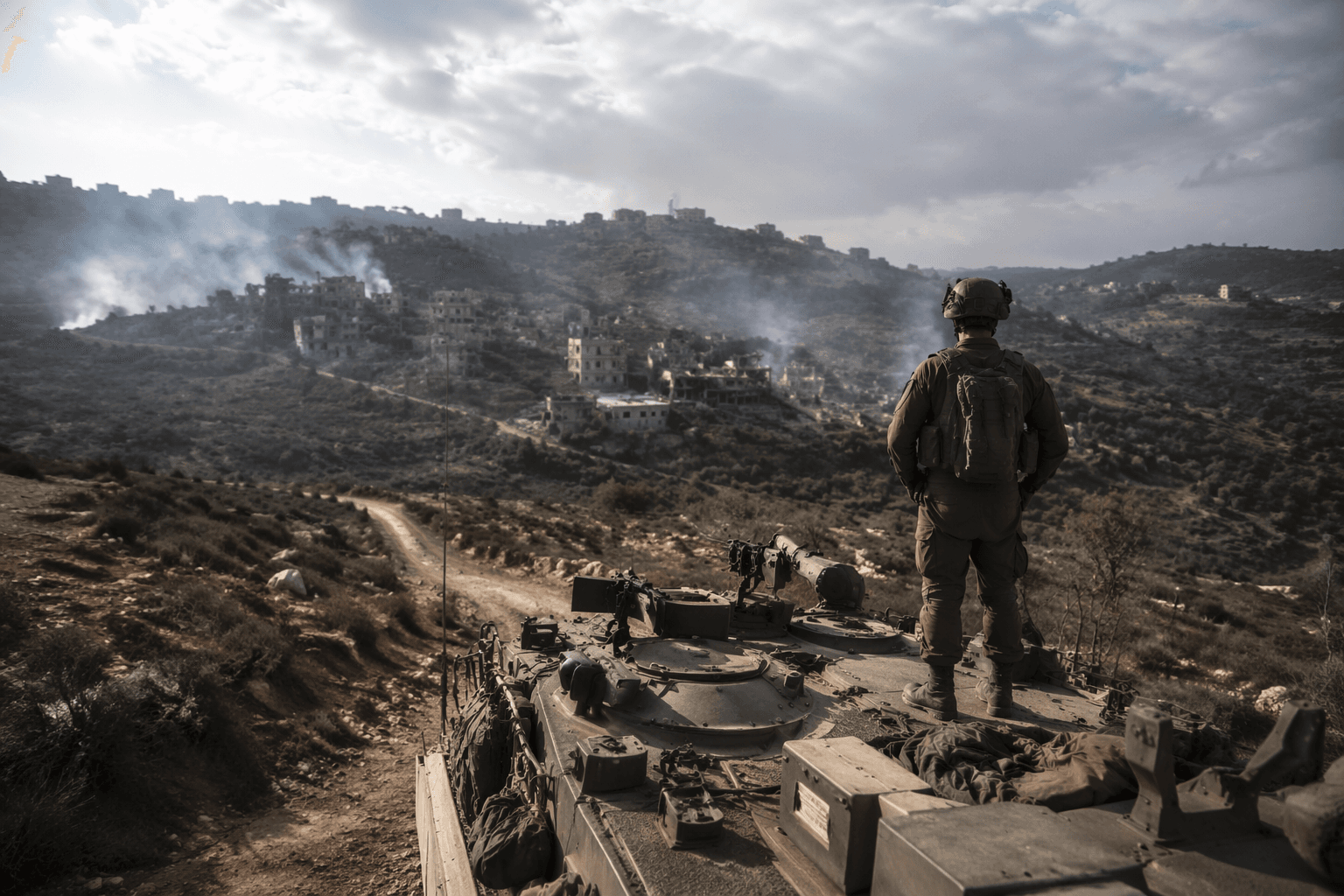
That gap between condemnation and events on the ground is now the central political fact of the war. Europe can keep pressing through diplomacy, humanitarian appeals and its backing for UNIFIL, but the latest fighting shows how little direct leverage it has over Israeli battlefield decisions. No European statement has outlined a credible enforcement mechanism capable of stopping the advance or reversing the push toward a larger buffer zone.
Beaufort Castle carries a symbolism that reaches far beyond its hilltop position. Israel withdrew from southern Lebanon in 2000 after nearly two decades of occupation and a bloody Hezbollah-led insurgency, and the site has long stood as a reminder of that war. Its capture has revived bitter memories in both countries, while also reinforcing fears that the current fighting could harden into a longer-term presence rather than a temporary raid.
The escalation is unfolding amid the broader 2026 Lebanon war, resumed hostilities after the March 2026 flare-up, and an already severe humanitarian crisis marked by mass displacement and damage to civilian infrastructure. Hezbollah, Iran’s most powerful regional ally, remains at the center of the confrontation, raising the risk that a fight along the Lebanon border could pull in wider regional actors. For Europe, the problem is not a shortage of condemnation. It is the absence of a tool strong enough to make that condemnation matter.
This article was produced by Prism’s automated news system from verified source data, official records, and press releases, then run through automated quality and moderation checks before publishing. The system is built and supervised by the people who set the standards it runs under. Read our full AI policy.
Know something we missed? Have a correction or additional information?
Submit a Tip