Colombia runoff pits pro-Trump candidate against left-wing senator
Abelardo de la Espriella's surge turned Colombia's election into a clash over Trump-style politics, Petro's legacy and the country’s U.S. ties.

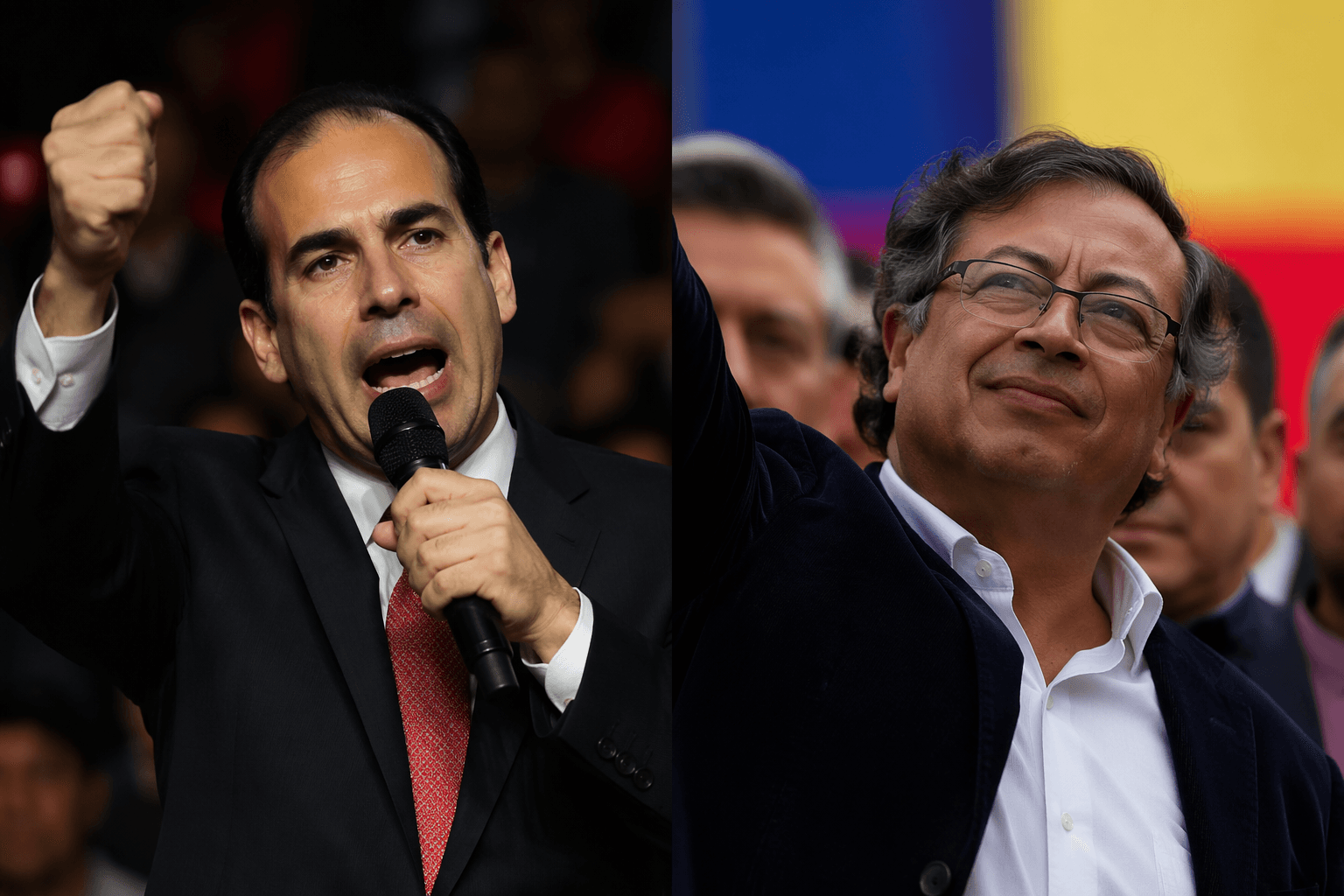
Abelardo de la Espriella’s advance to Colombia’s presidential runoff has turned the race into more than a domestic contest. It now pits a pro-Trump right-wing candidate against Iván Cepeda, a left-wing senator who has campaigned on “total peace,” in a vote that could reshape security policy, migration enforcement, drug strategy and the country’s posture toward Washington.
The first round on May 31, 2026 ended without any candidate clearing the majority needed to avoid a second ballot. De la Espriella emerged as the finalist on the right, while Cepeda, an ally of President Gustavo Petro, moved into the runoff after a tense and disputed result. AP reported that Cepeda questioned the vote after trailing de la Espriella, underscoring how closely the outcome is being fought even before Colombians return to the polls.
De la Espriella’s label as pro-Trump is more than a campaign slogan in Colombia. It signals a harder line on security, a challenge to the political establishment and a closer alignment with the United States at a time when Bogotá’s relationship with Washington is already under strain. CNN said the runoff could redefine ties with the U.S., and the race has been watched as a potential inflection point for Colombia’s future direction on the issues that have long tied the two countries together.
That makes this runoff a referendum on Petro as much as a choice between two men. Cepeda has run as a defender of Petro’s project and as a candidate of “total peace,” while de la Espriella has tapped the frustrations of voters who want a sharper break with the left. The contest reflects a broader public mood in which Colombians are weighing whether the country needs more negotiation and social reform, or a tougher state and a more forceful break with insurgency, crime and institutional drift.
The atmosphere around the election also carried reminders of how dangerous Colombian politics can be. CNN reported on June 8, 2025, that presidential hopeful Miguel Uribe was shot in Bogotá, a stark sign of the volatility surrounding national campaigns and the security risks still shadowing public life.
Colombia has seen runoffs before. In 2010, Juan Manuel Santos defeated Antanas Mockus in a June runoff with more than 69% of the vote after no candidate won outright in the first round. This time, the stakes reach beyond the presidency: the winner will inherit a fraught relationship with the United States and a country deciding whether Petro’s legacy is a mandate to continue or a warning to reverse course.
This article was produced by Prism’s automated news system from verified source data, official records, and press releases, then run through automated quality and moderation checks before publishing. The system is built and supervised by the people who set the standards it runs under. Read our full AI policy.
Know something we missed? Have a correction or additional information?
Submit a Tip