Israel captures Beaufort castle, signals deeper Lebanon military presence
Israeli troops seized Beaufort Castle, a ridge-top Crusader fortress above Nabatieh, in their deepest Lebanon push in 26 years.
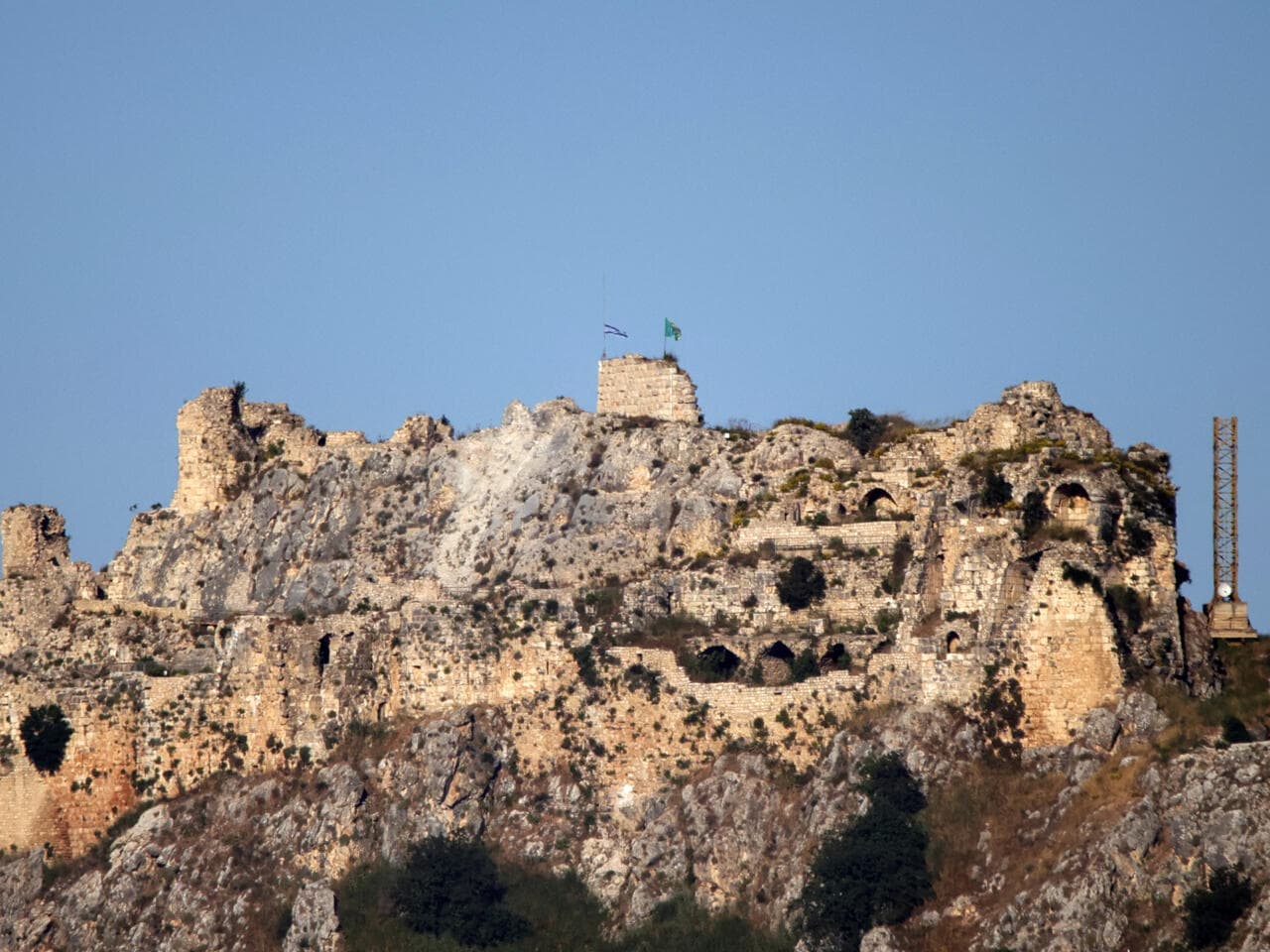
Israeli troops captured Beaufort Castle on May 31, 2026, taking a 12th-century fortress that dominates the hills near Nabatieh and looks across southern Lebanon toward northern Israel. The seizure marked Israel’s deepest incursion into Lebanon in more than a quarter-century, coming after days of airstrikes and intense fighting in nearby villages.
The ridge matters because it is a military perch, not just a historic ruin. From Beaufort, Israeli forces gain a commanding view over the surrounding terrain, and the site already carries the weight of precedent: Israeli troops used the castle as a base during the 1982-2000 occupation of southern Lebanon before pulling out in 2000. Control of the fortress also carries symbolism, because a Crusader-era landmark once held briefly by the Knights Templar has become part of a modern contest over who can dominate the south.
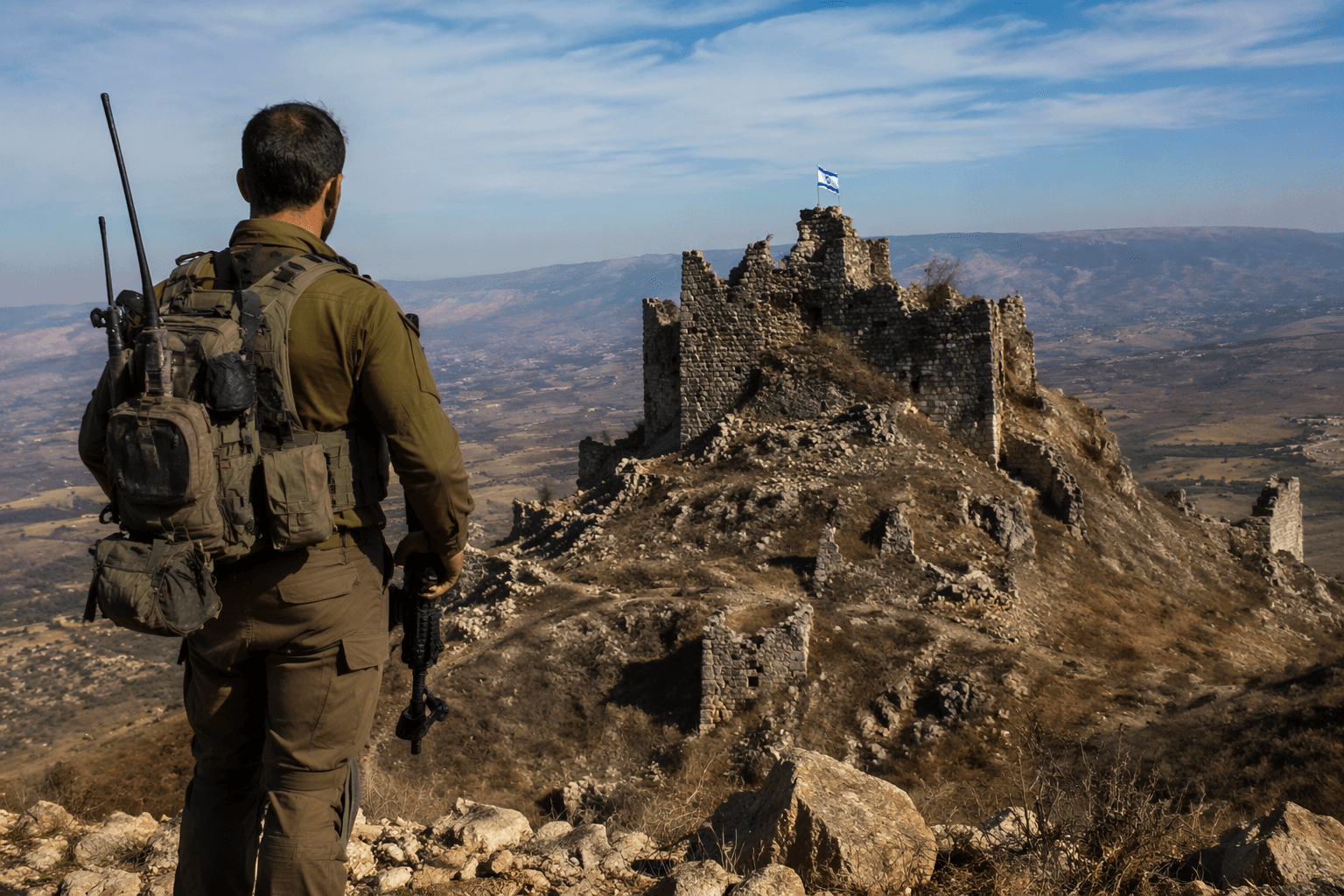
Benjamin Netanyahu ordered troops to move further into Lebanon and expand the ground maneuver, a signal that Beaufort was being treated as more than a temporary battlefield gain. That advance came despite a ceasefire announced more than six weeks earlier, as Hezbollah fire toward northern Israel continued and the fighting pushed more people from their homes across the border area. Reuters-linked reporting described the seizure as a major advance against Hezbollah, while other coverage said the broader campaign had already forced school closures and tighter restrictions in northern Israel.
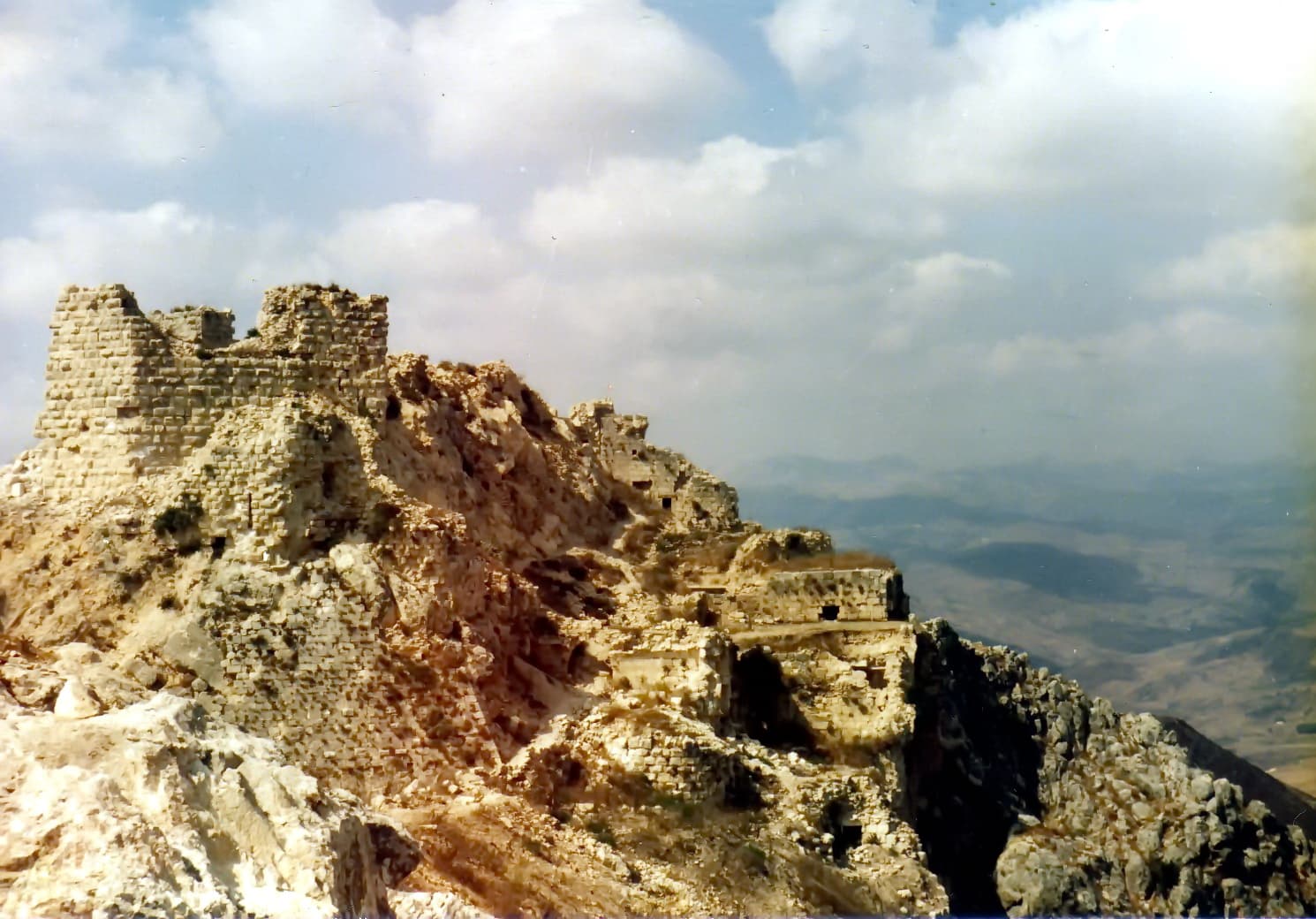
The heritage stakes are just as serious. UNESCO says Qalaat al-Chakif, Beaufort Castle, is one of the best-preserved examples of medieval castles in the Near East, and Lebanon placed the site among 34 cultural properties under provisional enhanced protection in 2024. UNESCO and United Nations officials have warned that cultural heritage in Lebanon is at risk during the conflict, a reminder that the battle for Beaufort now sits at the intersection of military strategy, civilian displacement and the preservation of a site that has survived for nine centuries. Taken together, the capture suggested a shift from a short-lived raid toward a longer-term military presence in southern Lebanon.
This article was produced by Prism’s automated news system from verified source data, official records, and press releases, then run through automated quality and moderation checks before publishing. The system is built and supervised by the people who set the standards it runs under. Read our full AI policy.
Know something we missed? Have a correction or additional information?
Submit a Tip