Poland revives its controversial 666 bus route to Hel
Poland put the number 666 back on a summer bus line to Hel, reviving a route that religious groups once helped force off the map.
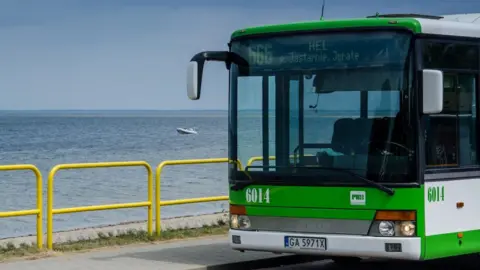
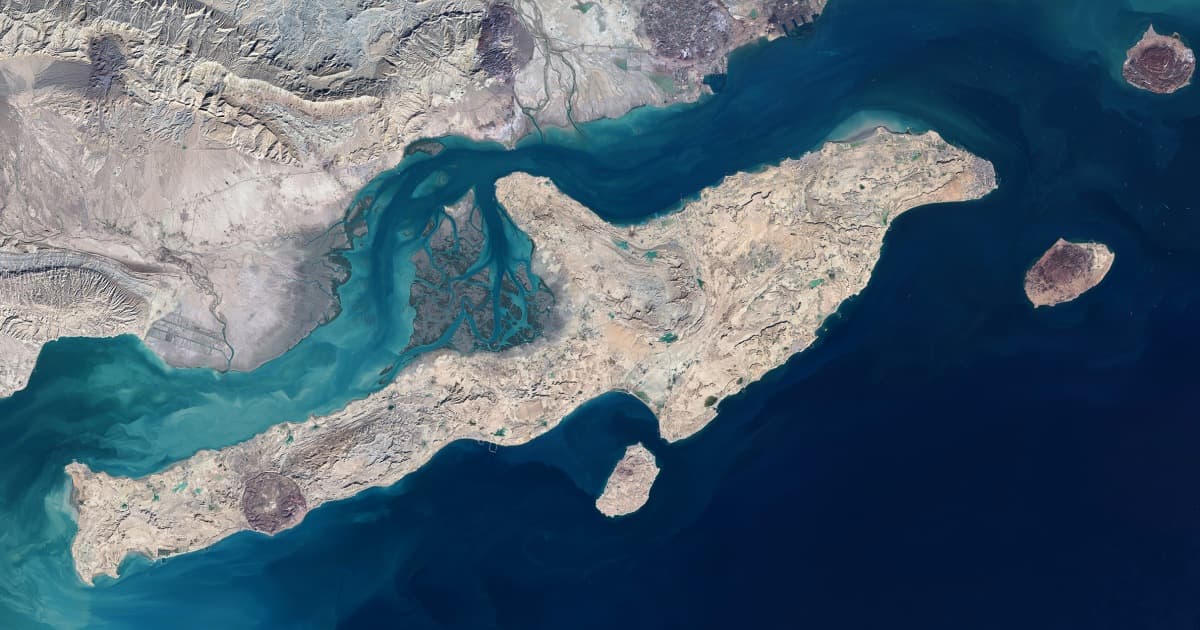
A bus number that became a small cultural flashpoint in Poland was back in service as FlixBus restored 666 for a summer link to Hel, the Baltic resort town whose name sounds like “hell” in English. The new route connected Kraków with Hel via Warsaw and a chain of Peninsula stops, turning a once-local joke into a national conversation about religion, tourism and public space.
The original 666 line had run since 2006 between Dębki and Hel under PKS Gdynia, initially as a tongue-in-cheek novelty before it turned into a tourist draw and an online meme. Its appeal rested on two things: the English pun in Hel’s name and the biblical association of 666 with the “number of the beast.” By June 2023, after repeated complaints and pressure from religious groups, PKS Gdynia renumbered the summer service to 669, saying it had “turned the last 6 upside down.” The change drew immediate backlash online from riders and travelers who had embraced the route’s notoriety.
The dispute had been building for years. In 2018, the Catholic publication Fronda had already urged that the bus number be changed, arguing that it promoted Satanism and anti-Christian propaganda. When PKS Gdynia finally removed 666 in 2023, critics said the company had bowed to religious pressure at the expense of a quirky local brand that had helped make the route itself part of the attraction.
FlixBus revived the number for a different scale of service: a long-distance summer run from Kraków to Hel through Warsaw, Władysławowo, Chałupy, Kuźnica, Jastarnia and Jurata. The company said the bus would run daily in summer, leave Kraków at 6:00 a.m., reach Warsaw around 10:30 a.m. and arrive in Hel before 8:00 p.m., with a total travel time of about 13 hours. Michał Leman, FlixBus’s managing director for Eastern Europe, said the number was chosen deliberately and that the route should be self-explanatory. He also said, “It’s better when a route explains by itself where it’s going.”
Beyond the novelty, the return reflected a practical demand: direct summer connections to the Hel Peninsula, where holiday traffic routinely clogs roads and trains. What started as a joke about hell had become a test of how far religious sensitivities could reach into ordinary transport, and how quickly secular branding could turn a bus line into a culture-war symbol.
This article was produced by Prism’s automated news system from verified source data, official records, and press releases, then run through automated quality and moderation checks before publishing. The system is built and supervised by the people who set the standards it runs under. Read our full AI policy.
Know something we missed? Have a correction or additional information?
Submit a Tip