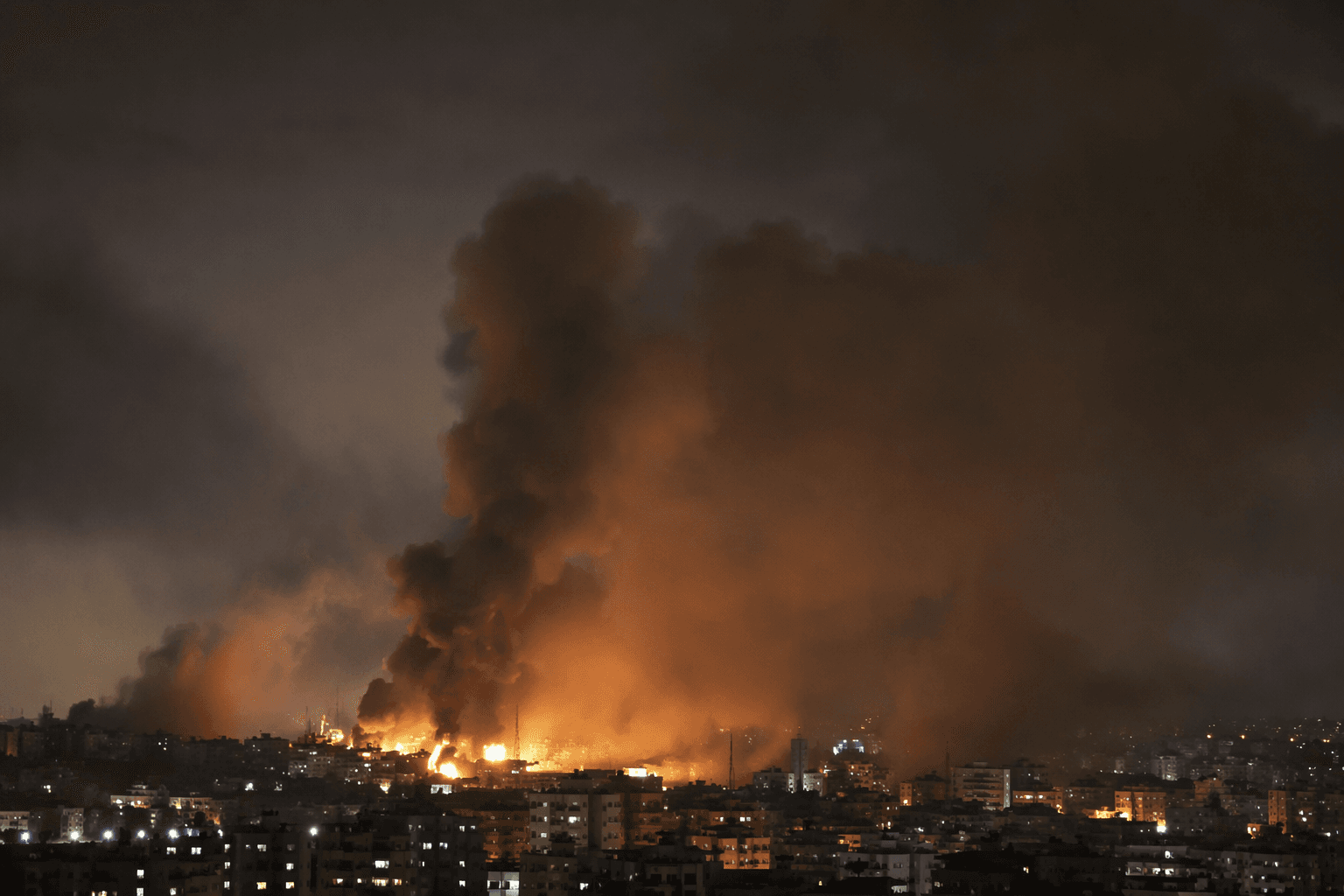
U.S. and Iran trade strikes as talks seek to end war
U.S. and Iranian strikes widened to Kuwait’s doorstep as drones and air defenses clashed over Hormozgan province and the Strait of Hormuz.
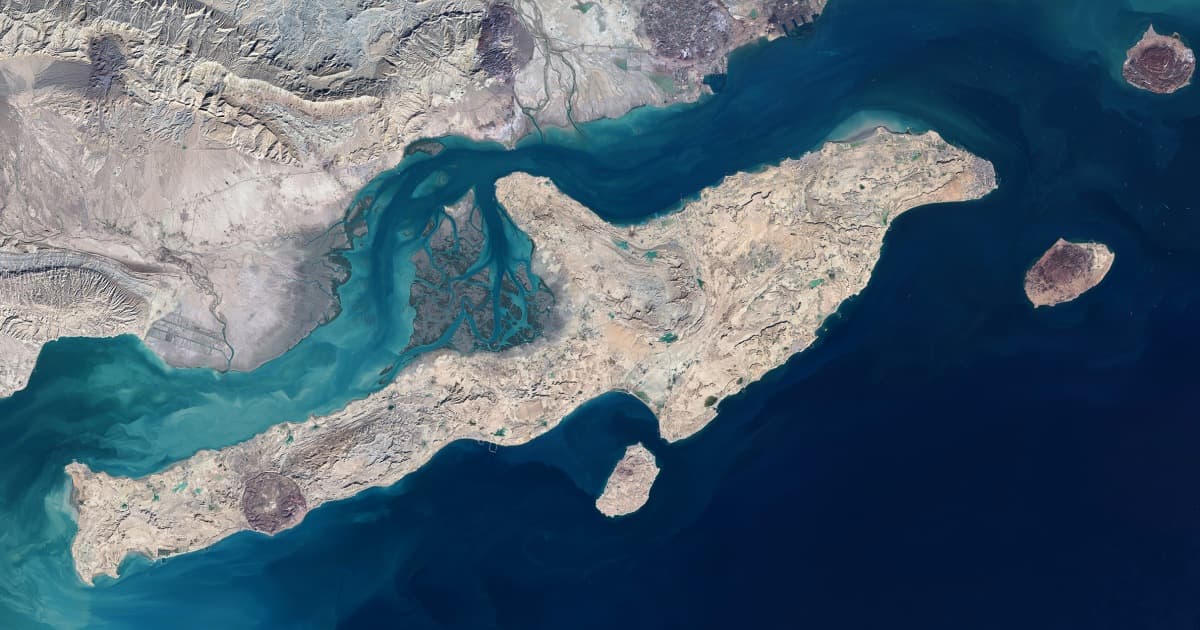
The latest round of U.S.-Iranian violence followed a familiar ladder of escalation: a drone shootdown, air-defense strikes, retaliation, and then more warnings that the next move could pull in U.S. troops, regional allies and oil markets. U.S. Central Command said American fighter aircraft hit Iranian radar and drone-control sites in Goruk and on Qeshm Island after Iran shot down a U.S. MQ-1 drone over international waters, while Iran said it struck back at an air base used in the U.S. attack.
CENTCOM said the weekend strikes destroyed Iranian air defenses, a ground control station and two one-way attack drones that it said threatened ships moving through regional waters. No U.S. service members were harmed, the command said. Iran’s Islamic Revolutionary Guard Corps said its aerospace force targeted the source of what it called a U.S. attack on a telecommunications tower on Sirik Island in Hormozgan province, but it did not identify the base it hit. The IRGC warned that if U.S. attacks continued, the response would be “completely different.”
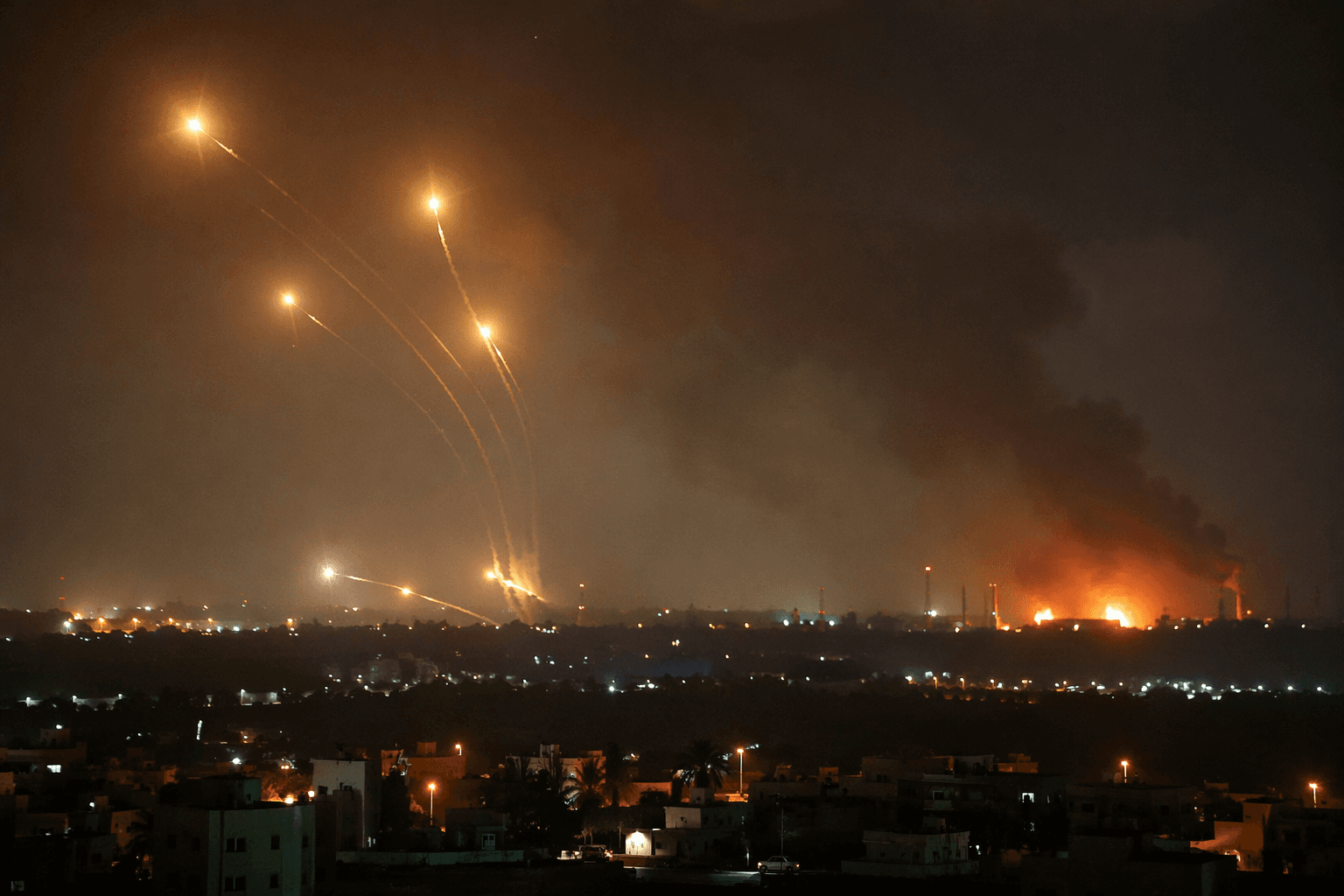
The exchange rippled beyond Iran’s coastline. Kuwait said its air defenses were intercepting hostile missile and drone threats during the same period, with the military saying the explosions heard there came from air-defense systems engaging incoming attacks. That raised the risk of spillover for neighboring states that host U.S. forces and sit close to the main shipping lanes through the Gulf.
The confrontation has been building for weeks. The United States and Iran have traded strikes several times since a ceasefire took effect in early April, including another exchange the previous week. The wider war launched by the U.S. and Israel on February 28 has killed thousands of people, mostly in Iran and Lebanon, and pushed up global energy prices by disrupting traffic through the Strait of Hormuz, the chokepoint that carries about a fifth of the world’s oil.
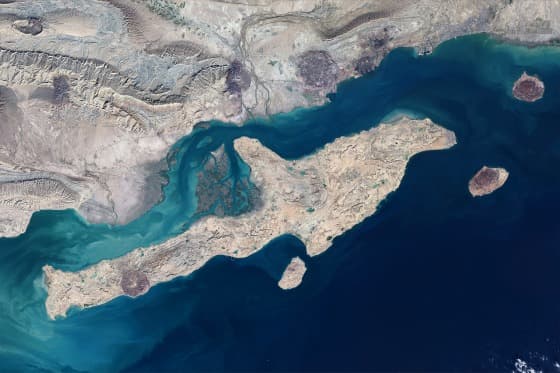
Talks to seal a more durable agreement were still underway, but the gap between the two sides remained wide. The main disputes centered on Iran’s nuclear and missile programs, the fate of frozen Iranian oil revenues and who controls maritime traffic through the Strait of Hormuz. With drones already being shot down, air defenses firing and Kuwaiti batteries lighting up the sky, the next exchange could determine whether the conflict stays bounded or spills into a broader regional war.
This article was produced by Prism’s automated news system from verified source data, official records, and press releases, then run through automated quality and moderation checks before publishing. The system is built and supervised by the people who set the standards it runs under. Read our full AI policy.
Know something we missed? Have a correction or additional information?
Submit a Tip