Iran strikes hit 15 U.S. bases across the Middle East, analysts say
Satellite images show damage at 15 U.S. bases, far beyond the public tally. At least 228 structures and equipment pieces were hit across six countries.
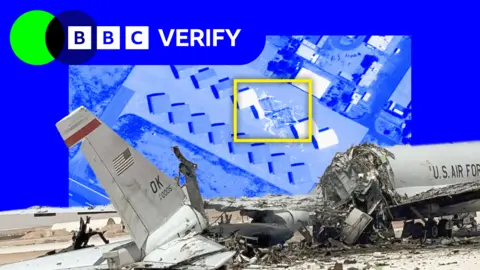
Satellite imagery suggests the damage from Iran’s strikes on U.S. military sites across the Middle East was far broader than officials publicly acknowledged, raising fresh questions about force readiness, troop safety and the credibility of America’s regional deterrence.
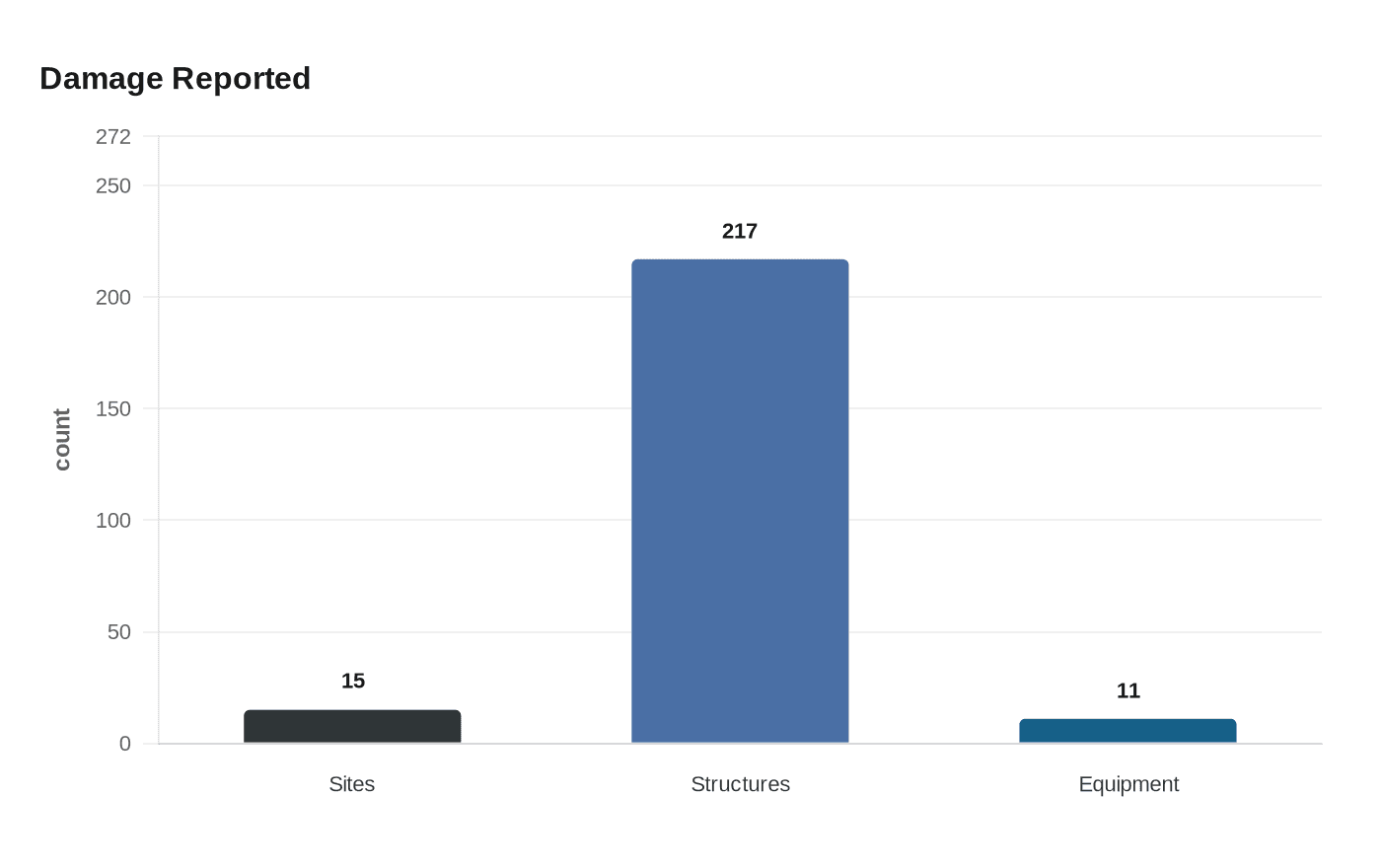
Visual forensics based on more than 100 high-resolution satellite images, along with additional independent imagery, identified damage at 15 U.S. military sites in Kuwait, Bahrain, Qatar, Jordan, Saudi Arabia and the United Arab Emirates. The analysis counted 217 damaged or destroyed structures and 11 damaged pieces of equipment, for a total of at least 228 items. The damaged assets included hangars, barracks, warehouses, fuel depots, aircraft, radar systems, communications sites and air defense systems.
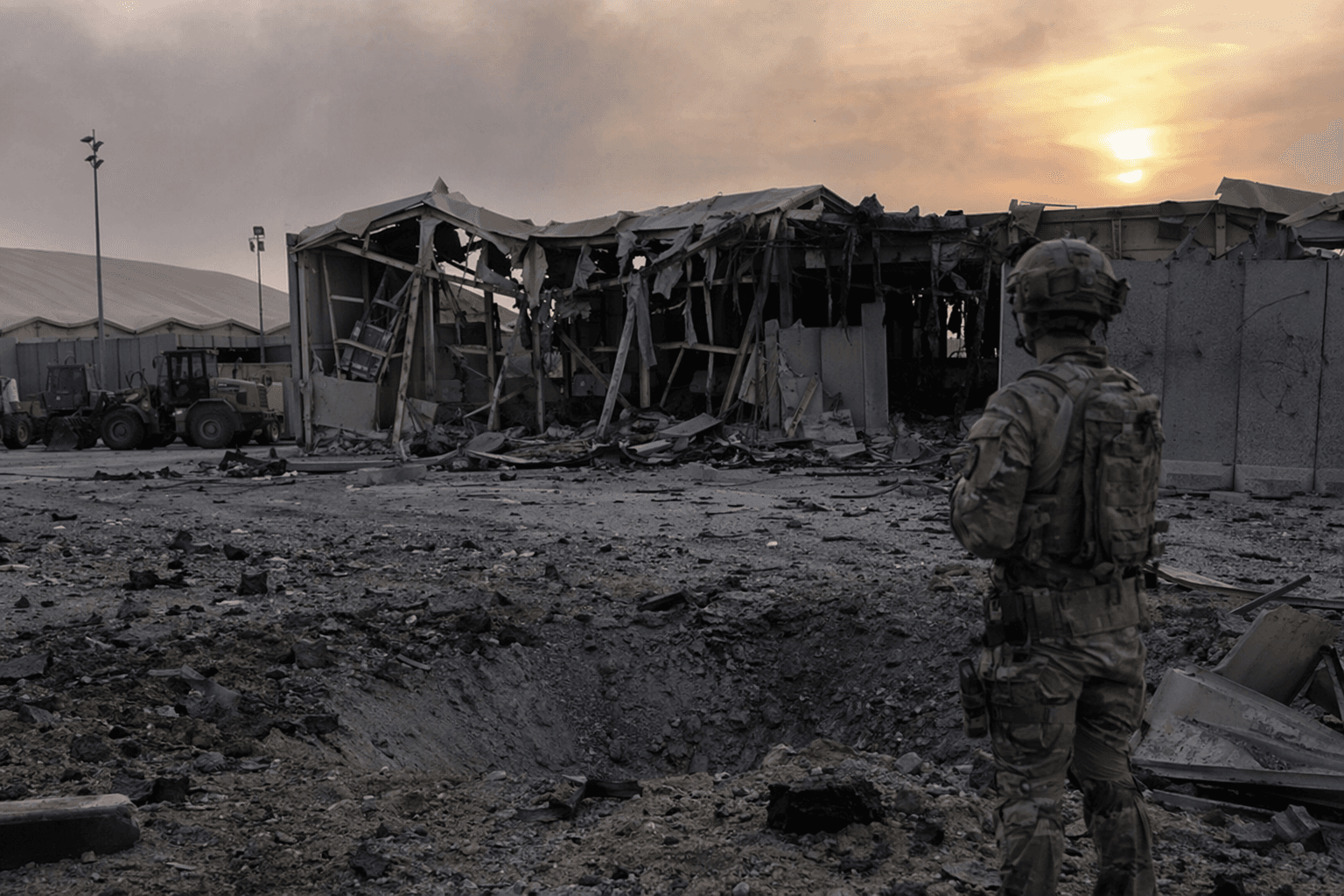
That scale matters because it points to impacts on the infrastructure that keeps U.S. forces operating, protected and supplied. Hangars and aircraft losses can slow sortie generation. Damage to radar, communications and air defense assets can reduce warning time and complicate base defense. Hits on barracks and fuel depots can also force units to disperse, repair, or reroute operations, all of which affect how quickly commanders can respond if the region flares again.
The strikes came amid the Iran war that began on February 28, 2026, after surprise Israeli strikes coordinated with Washington. Since then, Iranian missile attacks have continued to hit U.S. bases across the region, turning a localized exchange into a wider confrontation that has tested American posture from the Gulf to the Levant.
Analysts told BBC Verify that the attacks on U.S. military sites were broader than the public record suggested. The imagery review points to a possible gap between the visible damage on the ground and the scale that has been communicated publicly, a gap that could shape how allies, adversaries and service members judge the resilience of U.S. defenses.
For Washington, the implications go beyond counting craters and broken structures. If 15 sites across six countries absorbed damage, then the question is not only how much was hit, but how much capability was temporarily degraded and how quickly those bases can return to full readiness. In a conflict where missiles have already reached deep into the American military footprint, the condition of these installations is central to whether deterrence still looks credible or increasingly vulnerable.
This article was produced by Prism’s automated news system from verified source data, official records, and press releases, then run through automated quality and moderation checks before publishing. The system is built and supervised by the people who set the standards it runs under. Read our full AI policy.
Know something we missed? Have a correction or additional information?
Submit a Tip