China builds rare earth talent pipeline through university degree programs
China is training rare-earth specialists from college onward, with 70 students set to join one new degree program and more than 40 labs feeding the pipeline.

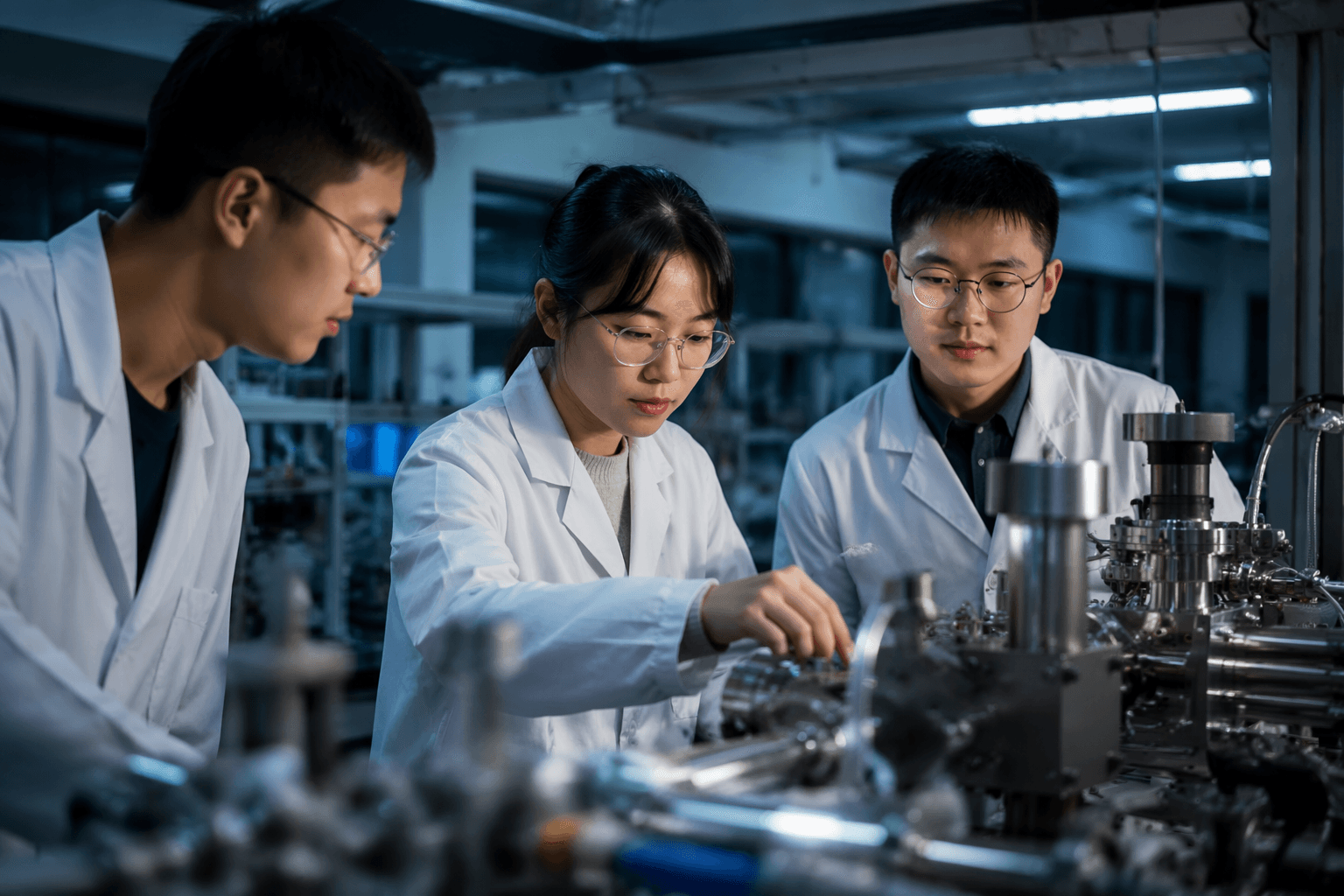
China is turning rare earths into a classroom-to-factory pipeline, training students for one of the world’s most strategically important materials sectors long before they ever step into a refinery. In Baotou, in Inner Mongolia, students can study rare earths as an undergraduate specialty and then move only a few kilometers to state-owned plants that process the minerals into magnets used in jet engines, electric vehicles and wind turbines.
The scale is striking. China has built an ecosystem of more than 40 specialist rare-earth laboratories, and at least 11 universities and technical colleges now enroll more than 500 students a year in rare-earth degree programs. Jiangxi University of Science and Technology said 70 students are set to enroll in its newly created rare earths degree, a sign that the talent pipeline is spreading beyond a single campus or region.
That educational depth helps explain why China remains so dominant even as the United States and its allies pour money into rebuilding supply chains. China controls more than half of global mining production and about 90 percent of separation and refining capacity, giving Beijing leverage over materials that are essential to defense systems, phones, electric vehicles and clean-energy infrastructure. The rare-earth industry is not just about ore in the ground; it is about the engineers, metallurgists and process specialists who can turn ore into usable material at scale.
The geographical concentration is part of the strategy. Prior industry assessments have identified Baotou in Inner Mongolia and Changchun in Jilin Province as China’s main rare-earth research and development hubs, reinforcing a system in which universities, laboratories and industry sit close enough to feed one another. That clustering creates a labor market, a research base and an industrial network that can be sustained over decades, not years.
The contrast with the United States is sharp. Ames National Laboratory in Iowa says it has more than 70 years of experience in rare-earth science and focuses on rare-earth technologies, fabrication and recycling processes aimed at addressing U.S. supply-and-demand concerns. It also supports undergraduate internships and paid research positions. But a school outside China offering a specific undergraduate degree in rare earths was not identified, leaving the U.S. with research training but not the same dedicated educational pipeline.
Washington has begun to respond. On Dec. 1, 2025, the U.S. Department of Energy announced up to $134 million in funding to strengthen domestic rare-earth element supply chains. Still, money alone will not close the gap. China’s advantage rests on a workforce strategy that reaches from the classroom to the refinery, producing specialists year after year and embedding them in an industrial system built for long-term control.
This article was produced by Prism’s automated news system from verified source data, official records, and press releases, then run through automated quality and moderation checks before publishing. The system is built and supervised by the people who set the standards it runs under. Read our full AI policy.
Know something we missed? Have a correction or additional information?
Submit a Tip