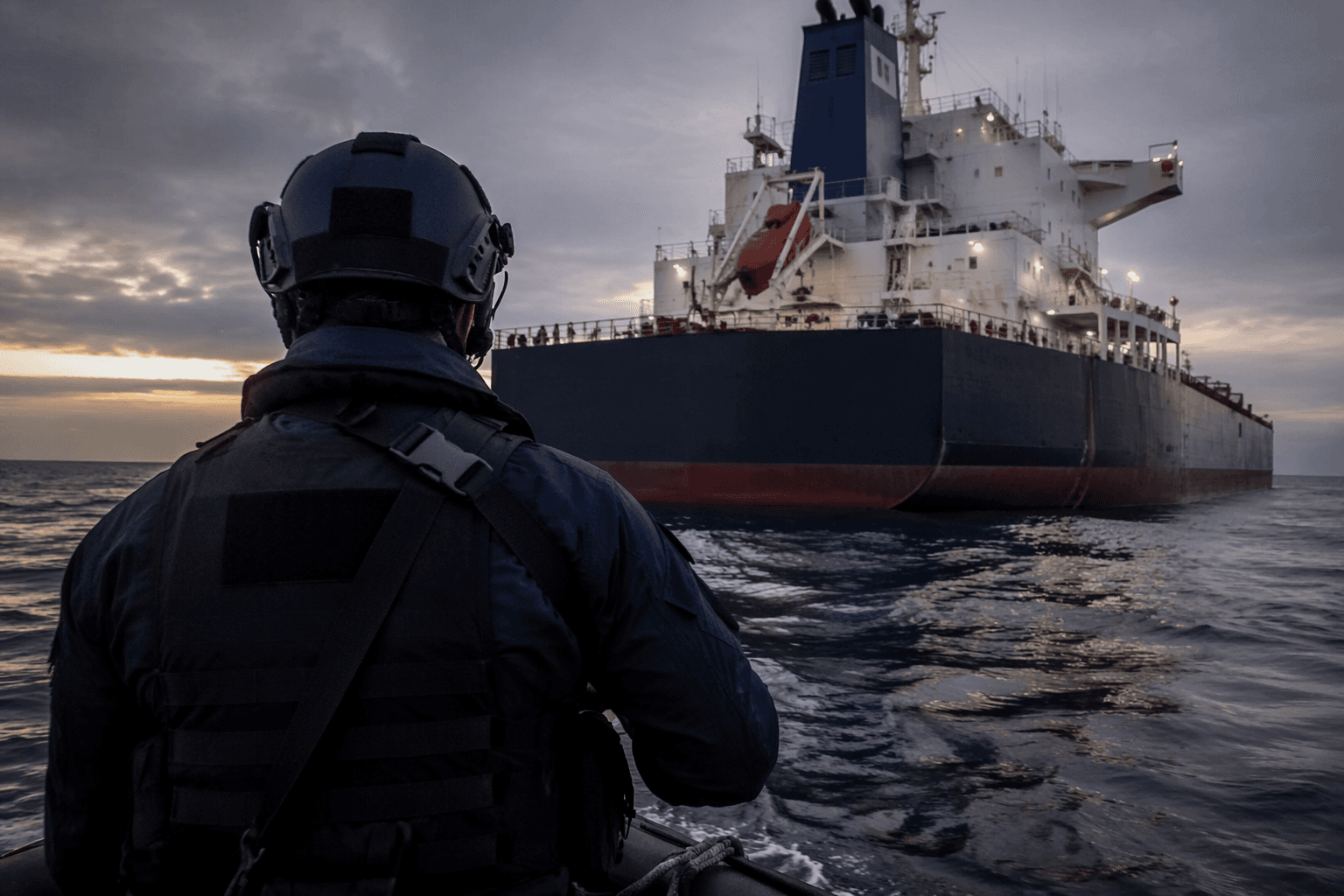
US and Iran escalate attacks near Strait of Hormuz again
Fresh US-Iran strikes near the Strait of Hormuz rattled a passage that carried 20 million barrels a day and keeps global fuel prices on edge.
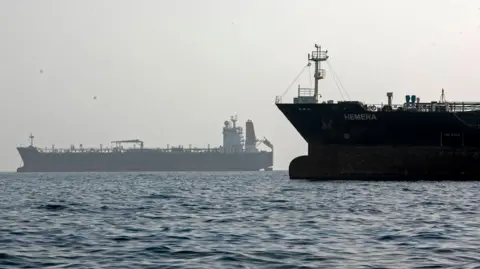
Every new exchange near the Strait of Hormuz raises the odds that tankers, insurance markets and gasoline prices far from the Gulf will feel the shock. The waterway was only 29 nautical miles wide at its narrowest point, with two 2-mile-wide navigable channels and a 2-mile buffer zone, yet it carried about 20 million barrels per day of crude oil and oil products in 2025, roughly one-fifth of global petroleum liquids consumption and about one-quarter of global seaborne oil trade.
The latest flare-up was the third known escalation in a week. The U.S. military struck Iranian targets near the strait on May 26 and 27, saying the attacks were "self-defense" actions against missile launch sites, boats it said were trying to lay mines, and later an Iranian drone operation that it judged a threat to U.S. forces and commercial shipping. Officials and media reports identified Bandar Abbas and waters south of Larak Island among the areas tied to the strikes.
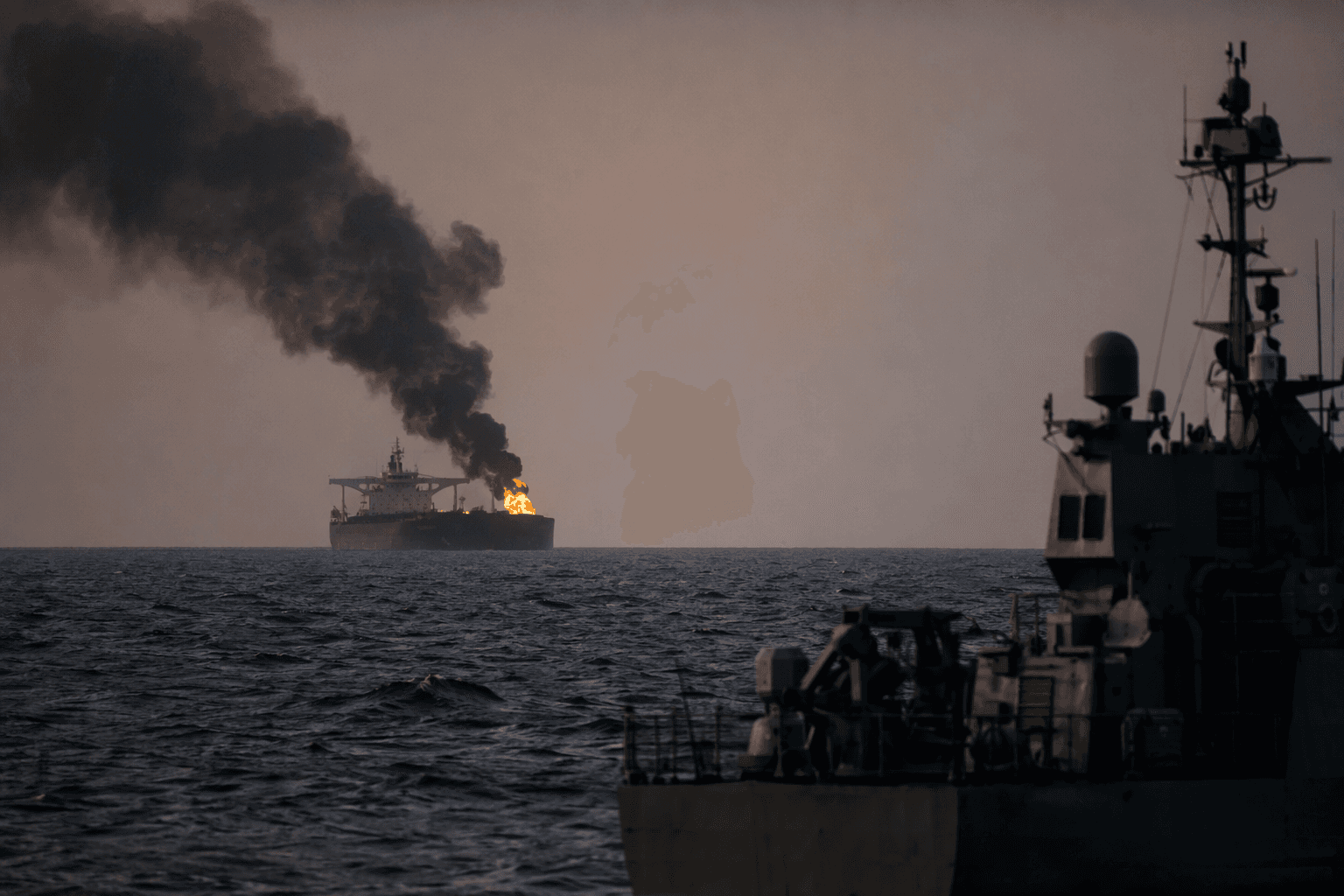
Iran’s Islamic Revolutionary Guard Corps said it responded by targeting a base used by American forces. The back-and-forth added to fears that the conflict could spill into the narrow sea lane linking the Persian Gulf to the Gulf of Oman, where even a brief disruption can ripple through global energy markets.
The International Energy Agency said the war in the region that began on February 28 had created the largest supply disruption in the history of the global oil market. The U.S. Energy Information Administration said in its latest update that maritime traffic through the strait had not been blocked, but Brent crude still climbed sharply as the violence deepened. The strait also carries a major share of LNG exports, including most shipments from Qatar and the United Arab Emirates, giving the confrontation a broader reach than oil alone.
Diplomacy has stalled in the background. Iranian and U.S. officials had been in or around talks to end the conflict and discuss reopening the strait, but Donald Trump rejected claims of an imminent compromise and said he was not satisfied with the negotiations. Kuwait condemned Iran’s retaliation against a U.S. air base and called it a serious escalation.
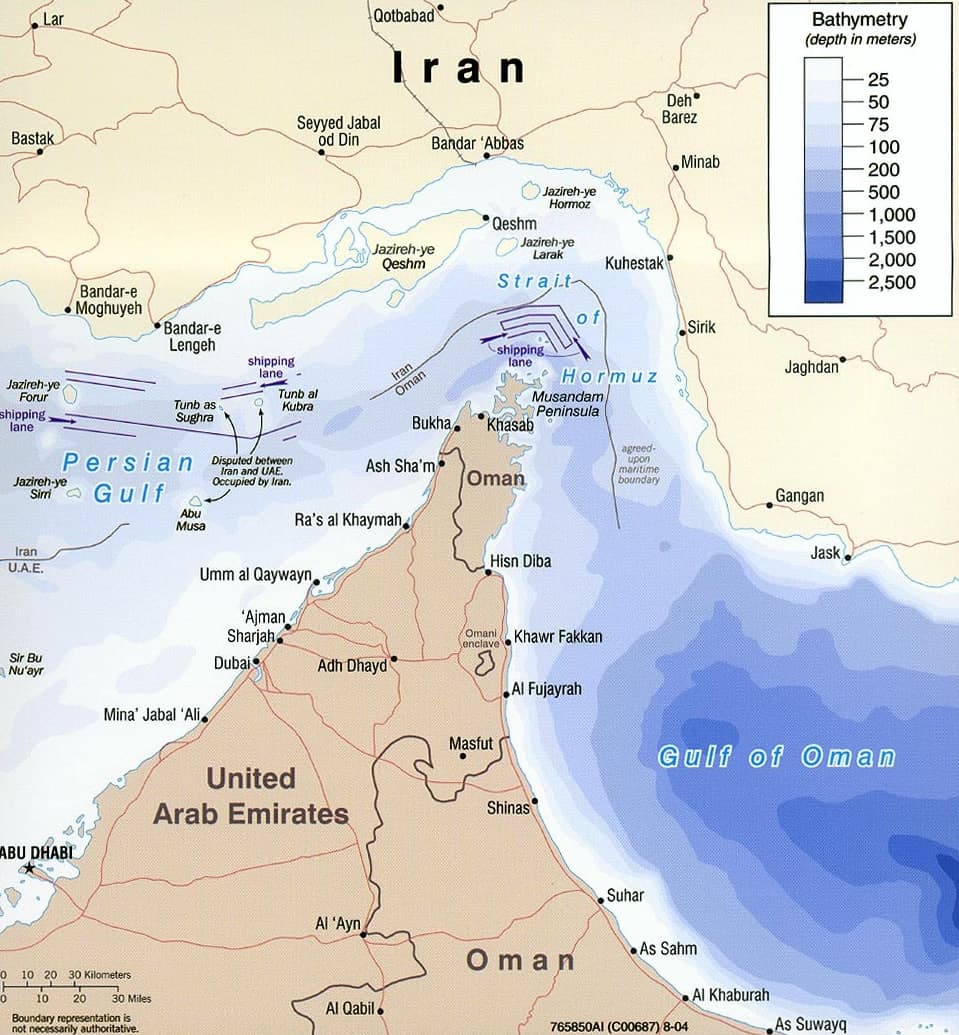
U.S. Central Command has helped guide around 70 commercial ships through the Strait of Hormuz in the last three weeks as operators faced a buildup of vessels and continuing security risks. With the passage already under strain, each new strike has made the line between local combat and global energy disruption harder to see.
This article was produced by Prism’s automated news system from verified source data, official records, and press releases, then run through automated quality and moderation checks before publishing. The system is built and supervised by the people who set the standards it runs under. Read our full AI policy.
Know something we missed? Have a correction or additional information?
Submit a Tip