U.S. strikes Iranian sites as Kuwait base hit by missile fire
U.S. strikes on Iranian sites spread to Kuwait, where missile fire hit Ali Al Salem and injured Americans. The clash raised fears for Gulf bases and shipping lanes.

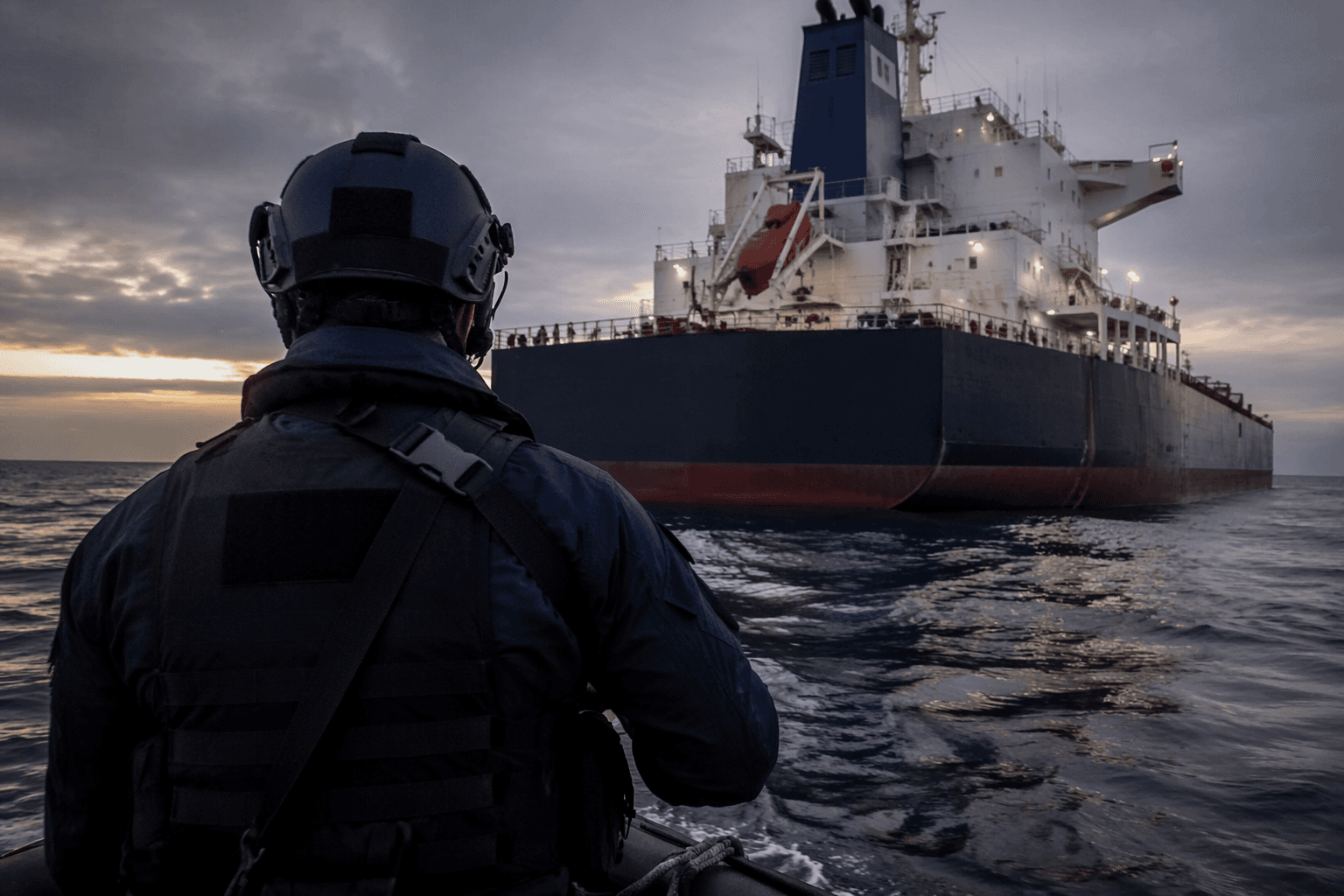
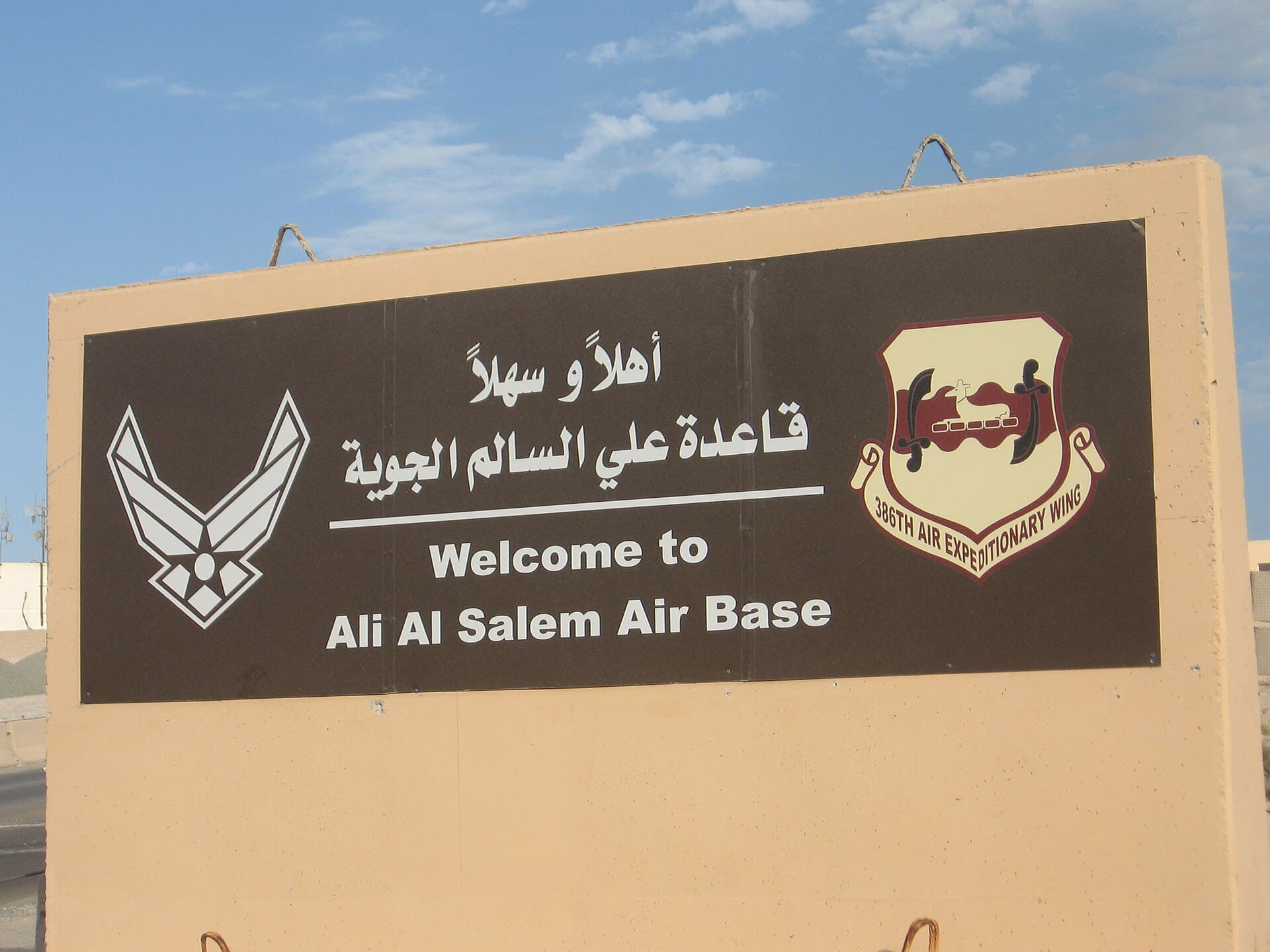
U.S. strikes on Iranian military sites quickly spilled into Kuwait, where an Iranian ballistic missile struck near Ali Al Salem air base and injured several Americans, underscoring how fast a limited exchange could widen across the Gulf. The attack came after U.S. forces shot down four Iranian drones aimed at a commercial ship and hit a launch unit near the Strait of Hormuz, a chokepoint that carries a large share of global energy traffic.
Kuwaiti air defenses intercepted the missile before it reached Ali Al Salem, but falling debris still damaged the base and destroyed two MQ-9 Reaper strike drones. Kuwait said explosions heard in the area were the result of its air-defense systems engaging hostile targets, a sign that the confrontation was already testing the country’s role as a shield for U.S. and allied assets. The injuries to several Americans were described as minor, but the damage to the drones showed that even intercepted fire can impose real military costs.
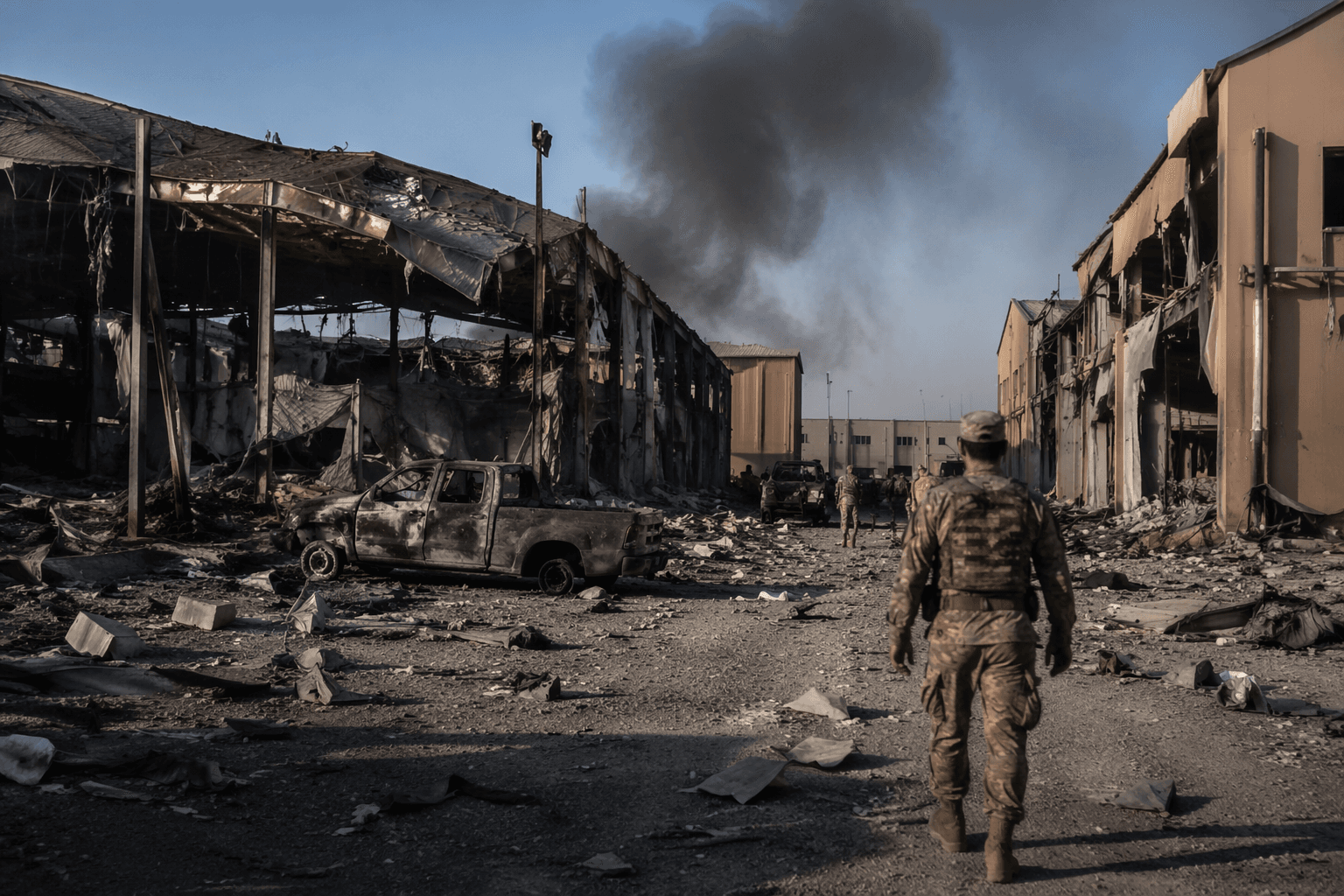
The rapid sequence of attacks deepened concern that the confrontation was moving beyond a narrow tit-for-tat and into a broader regional crisis centered on U.S. bases, Gulf shipping routes and the security of allied territory. Bloomberg described the situation as a fragile ceasefire, and warned that continued strikes threatened global energy flows through the Strait of Hormuz. That route is vital not just for military logistics but for oil tankers and commercial shipping that move through the Persian Gulf every day.
The danger is not theoretical. On January 8, 2020, Iran launched missiles at Ain al-Asad air base in western Iraq after the U.S. killed Qassem Suleimani. More than 50 U.S. troops later suffered brain injuries, and the missiles carried 1,000-pound and 2,000-pound warheads. At the time, the United States had about 5,000 troops in Iraq, a reminder that American forces in the region have long been exposed to Iranian retaliation.
That history now hangs over Kuwait, Iraq and other Gulf states as the latest exchange unfolds. The combination of strikes on Iranian sites, missile fire on a U.S.-used air base, and attacks near the Strait of Hormuz suggests a conflict that is no longer confined to one battlefield. It is pressing against the region’s military bases, shipping lanes and energy corridors all at once, leaving little margin for another miscalculation.
This article was produced by Prism’s automated news system from verified source data, official records, and press releases, then run through automated quality and moderation checks before publishing. The system is built and supervised by the people who set the standards it runs under. Read our full AI policy.
Know something we missed? Have a correction or additional information?
Submit a Tip