Abiy’s party set for landslide win in Ethiopia vote despite unrest
Abiy Ahmed’s party looked set for a sweeping win, but the vote was shadowed by war-scarred regions, skipped districts and a heavy military presence in Addis Ababa.

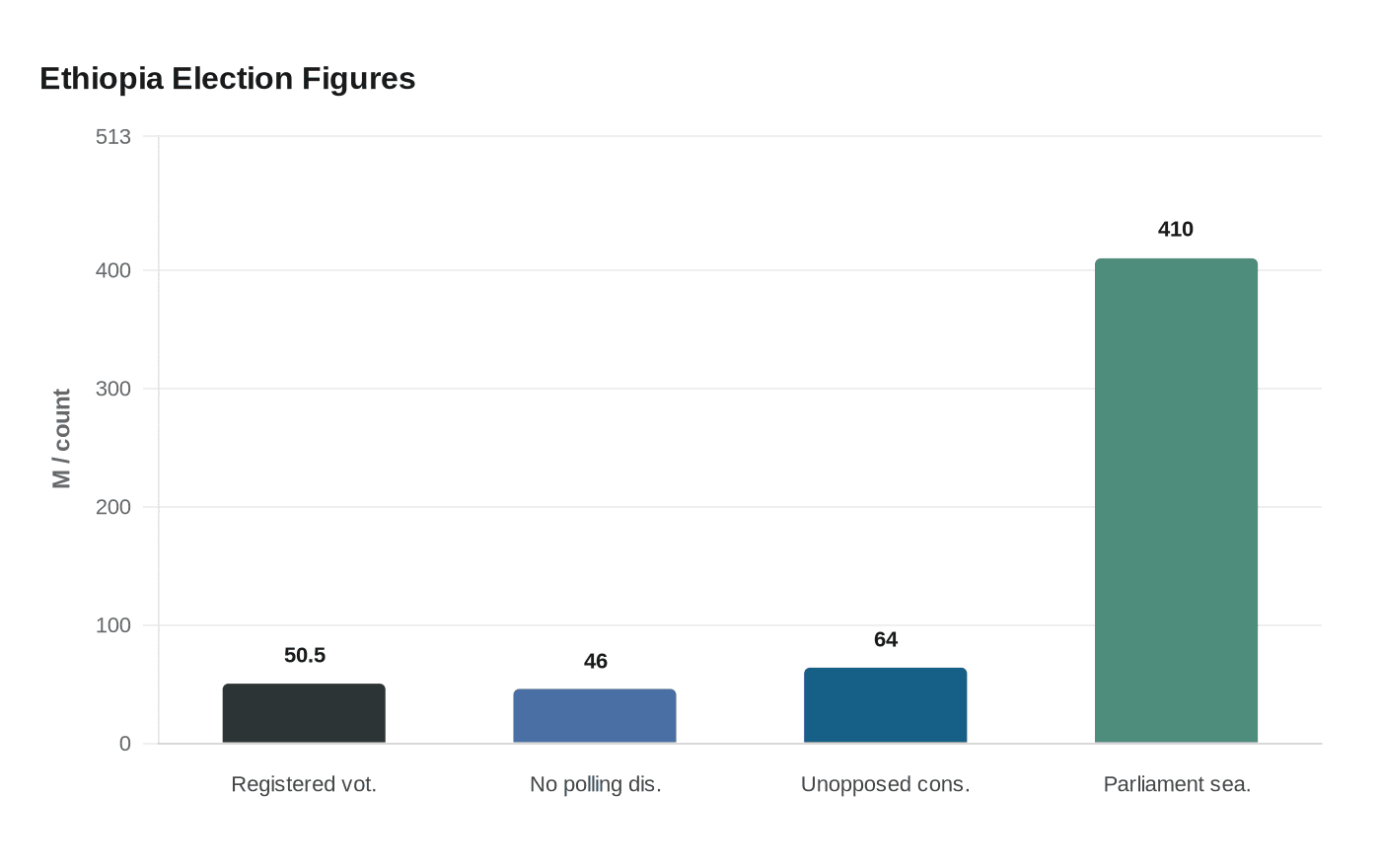
Ethiopia’s ruling Prosperity Party was headed for another overwhelming victory, but the scale of the win also exposed how uneven the country’s politics remain. More than 50.5 million people were registered to vote in Monday’s parliamentary and regional elections, yet polling was absent in Tigray and in 46 electoral districts in conflict-hit Amhara and Tigray, where insecurity and political tensions still shape daily life.
The election is the first national vote since the 2022 end of the devastating conflict with Tigray, a war that the Africa Center for Strategic Studies says cost hundreds of thousands of lives. Its lingering damage remains visible: the same center said roughly 15% of Tigray’s estimated 7 million residents were still internally displaced in 2025, a reminder that the state’s reach is still partial in parts of the north. That makes the expected landslide politically powerful, but incomplete.
Abiy Ahmed’s rise began in 2018, when mass protests toppled the old Ethiopian People’s Revolutionary Democratic Front coalition’s grip on power and lifted him to office. Since then, his Prosperity Party has become the dominant force in national politics, winning 410 of 484 parliamentary seats in the 2021 election. This year, one report said the party was running unopposed in 64 constituencies, down from 112 in 2021, suggesting the government faced less formal competition even as unrest persisted.

Officials have leaned heavily on the economy to defend their record, pointing to projected growth above 10% in 2026, which would make Ethiopia one of Africa’s fastest-growing economies. But the campaign has unfolded against a backdrop of civil conflict, regional instability and political fragmentation, leaving turnout and legitimacy as important as the final seat count. A victory of this size would strengthen Abiy’s hand; it would not settle the deeper disputes over federalism, representation and national unity.
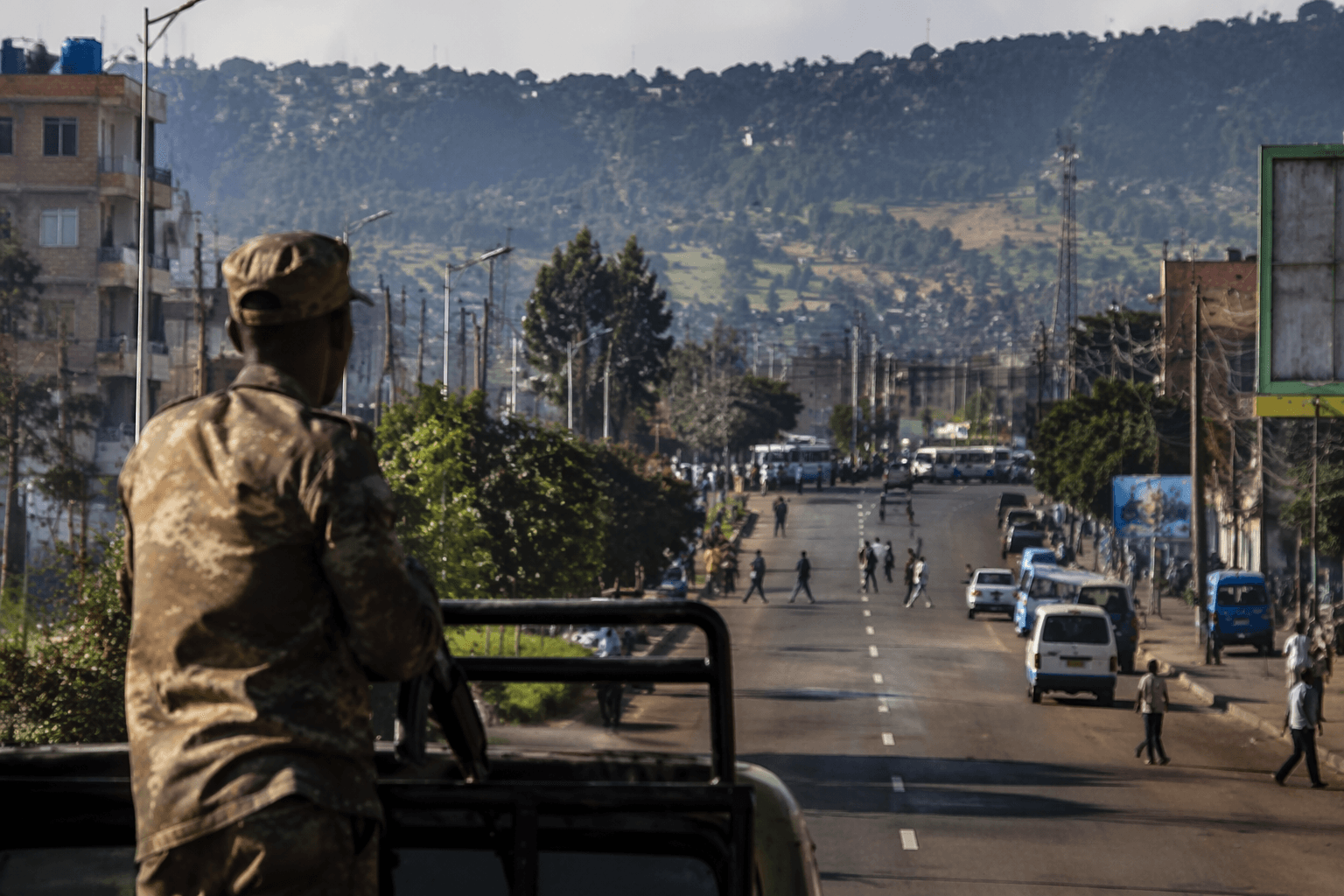
In Addis Ababa, where the African Union is headquartered, polls opened under a heavy military presence. That scene captured the broader contradiction of the day: a government confident enough to manage an election nationwide in name, yet still struggling to impose normal politics everywhere it claims authority.
This article was produced by Prism’s automated news system from verified source data, official records, and press releases, then run through automated quality and moderation checks before publishing. The system is built and supervised by the people who set the standards it runs under. Read our full AI policy.
Know something we missed? Have a correction or additional information?
Submit a Tip