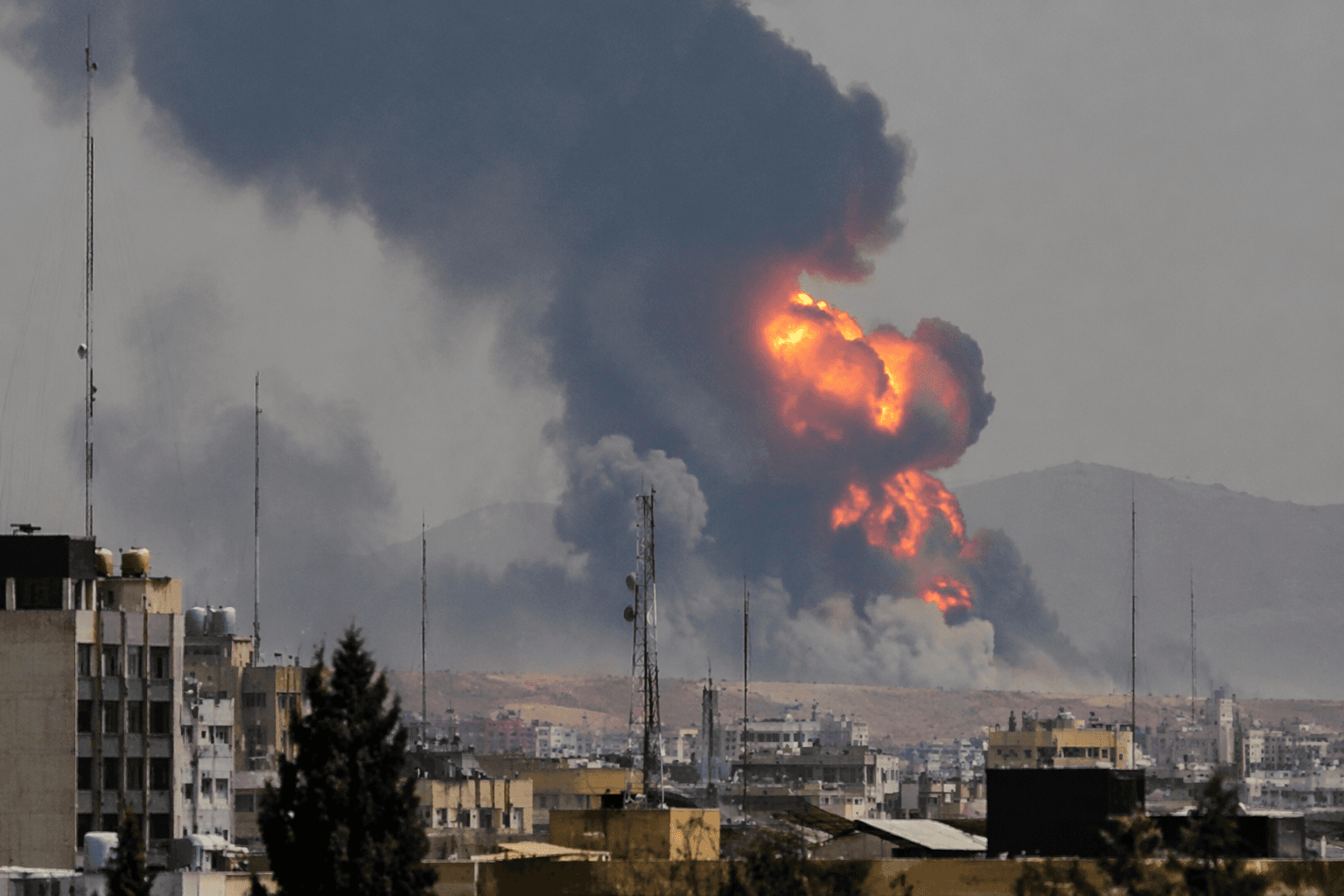
Netanyahu orders strikes on Beirut suburb after Hezbollah attacks
Netanyahu ordered strikes on Beirut’s southern suburbs, widening the war into Hezbollah’s Dahiyeh stronghold as rockets kept falling on northern Israel.
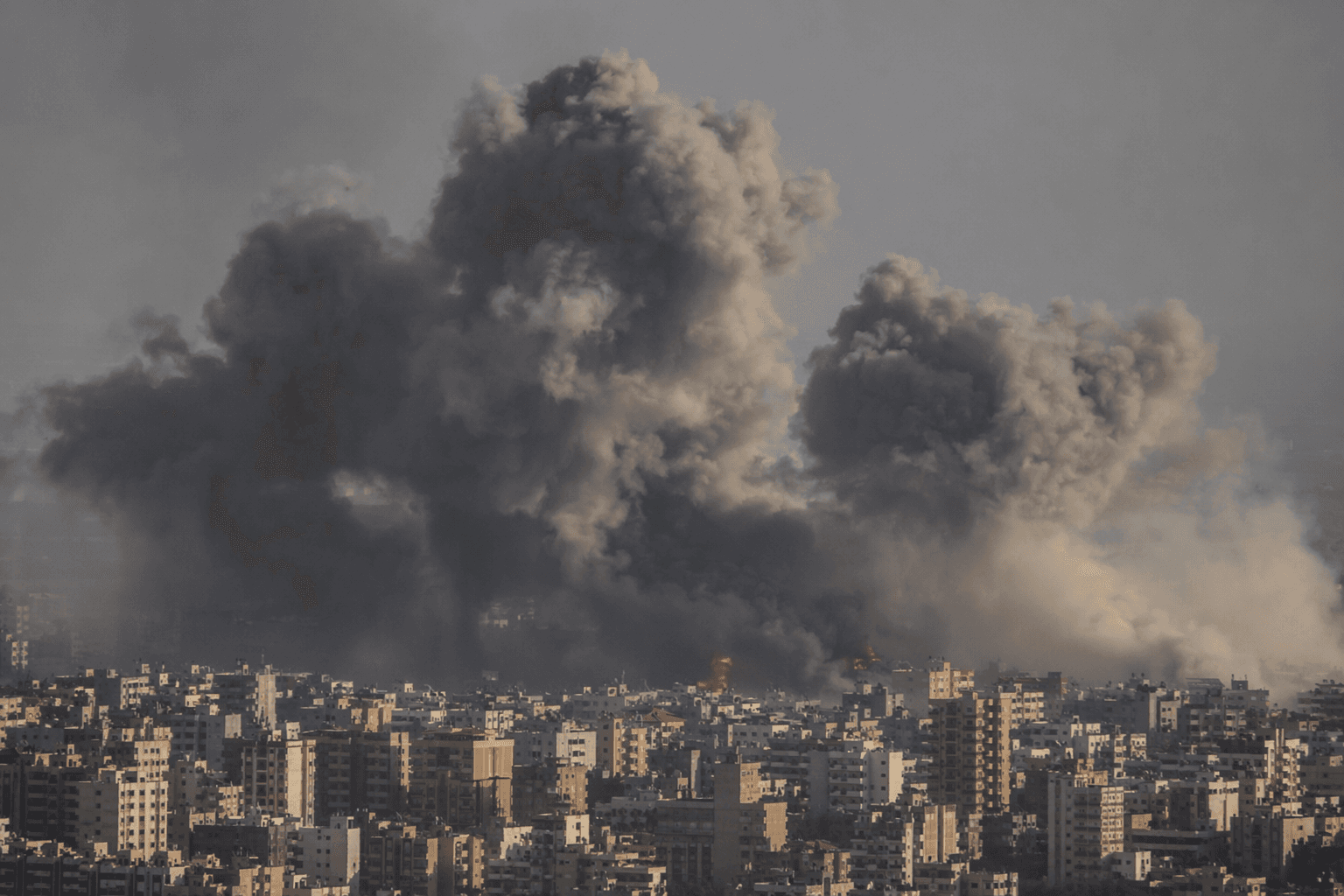
Israel’s decision to hit Dahiyeh, Hezbollah’s southern Beirut stronghold, marked a sharp escalation in a conflict that had already driven tens of thousands of Israelis from their homes and killed more than 3,000 people in Lebanon. The order placed Beirut’s southern suburbs at the center of a war that had increasingly crossed borders, deepened displacement and pushed the region closer to a broader confrontation.
Benjamin Netanyahu and Defense Minister Israel Katz ordered the Israel Defense Forces to attack targets in Beirut’s southern suburbs on Monday, June 1, 2026, after Netanyahu’s office said Hezbollah had repeatedly violated the ceasefire and attacked Israeli cities and civilians. The move followed continued Hezbollah fire on northern Israel, including rockets and drones aimed at areas around Haifa, as Israel intensified its own strikes in Lebanon.
The decision carried both military and political weight. Dahiyeh has long been identified as a Hezbollah stronghold, and strikes there have symbolized an Israeli willingness to widen the battlefield beyond the southern border. The latest order came only after Israeli ground forces reached their deepest point in Lebanon in 26 years, a sign that operations had already expanded well beyond the limited exchanges that once defined the conflict.
The fighting in Lebanon has become the broadest spillover of the war involving Iran, Israel and Hezbollah. Lebanese civilians again fled Beirut’s southern suburbs after Netanyahu’s statement, underscoring how quickly warnings in the capital can empty neighborhoods already scarred by earlier rounds of bombing. For Lebanon, the war’s toll has climbed beyond 3,000 dead, according to the government, while the Israeli north has absorbed sustained rocket and drone fire that has uprooted communities and kept border towns under constant threat.

The escalation also strained the ceasefire framework tied to United Nations Security Council Resolution 1701, which underpins the monitoring role of UNIFIL along the Blue Line. UN peacekeepers have warned that ongoing Israeli airstrikes and troop movements violate Lebanon’s sovereignty and territorial integrity and could cause the conflict to spiral further out of control. Three U.N. peacekeepers were killed in southern Lebanon in the broader war, a reminder that the margins of the conflict have already proved deadly.
This article was produced by Prism’s automated news system from verified source data, official records, and press releases, then run through automated quality and moderation checks before publishing. The system is built and supervised by the people who set the standards it runs under. Read our full AI policy.
Know something we missed? Have a correction or additional information?
Submit a Tip