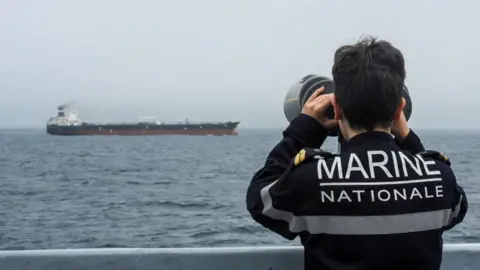
Trump urges critics to relax as U.S.-Iran ceasefire faces fresh strikes
Trump said Iran "really wants to make a deal" even as fresh U.S. and Iranian strikes exposed how fragile the ceasefire remains.
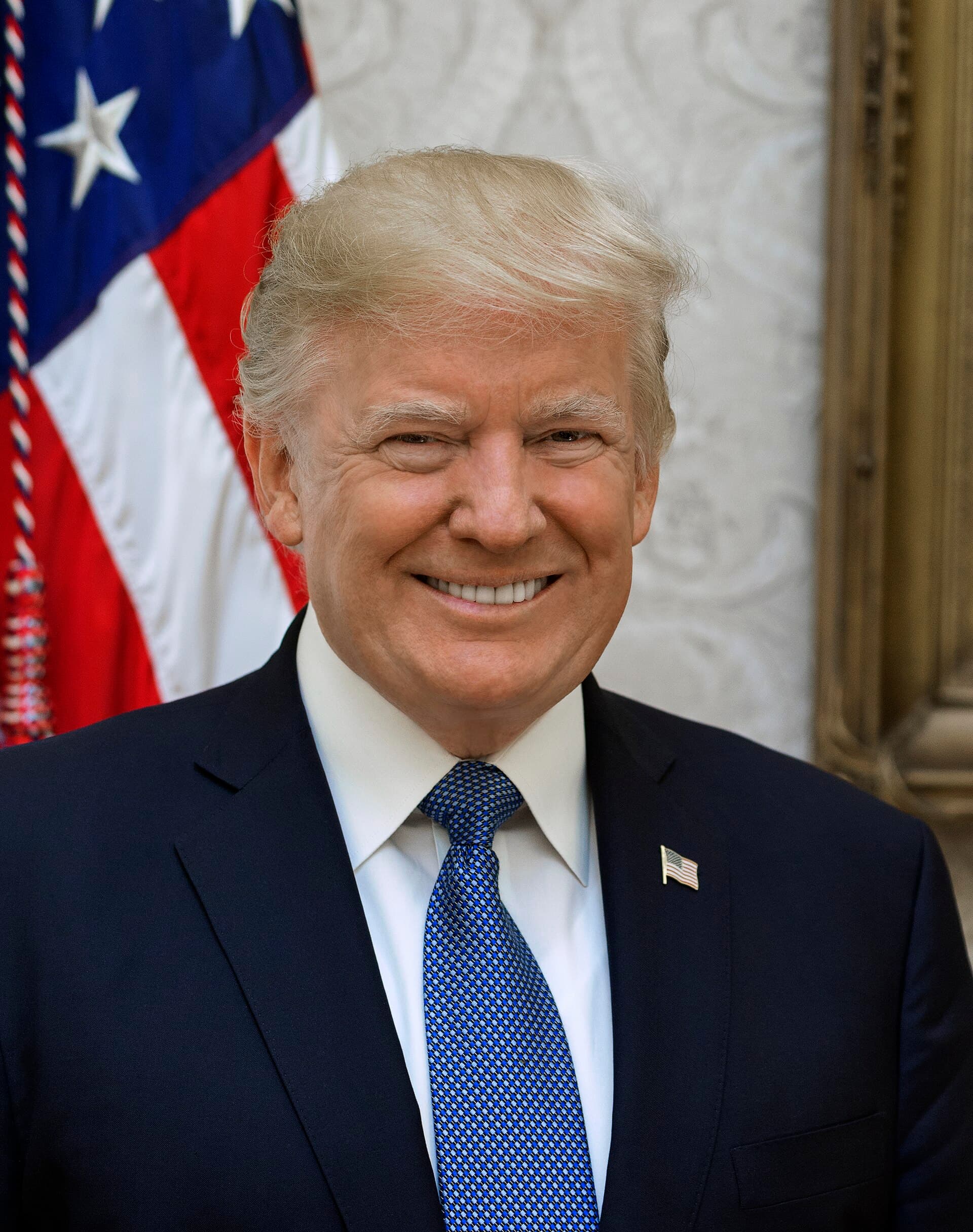
Donald Trump tried to project calm on Monday, telling critics to "sit back and relax" and insisting, "It will all work out well in the end," even as another round of strikes showed how little room there is between diplomacy and escalation.
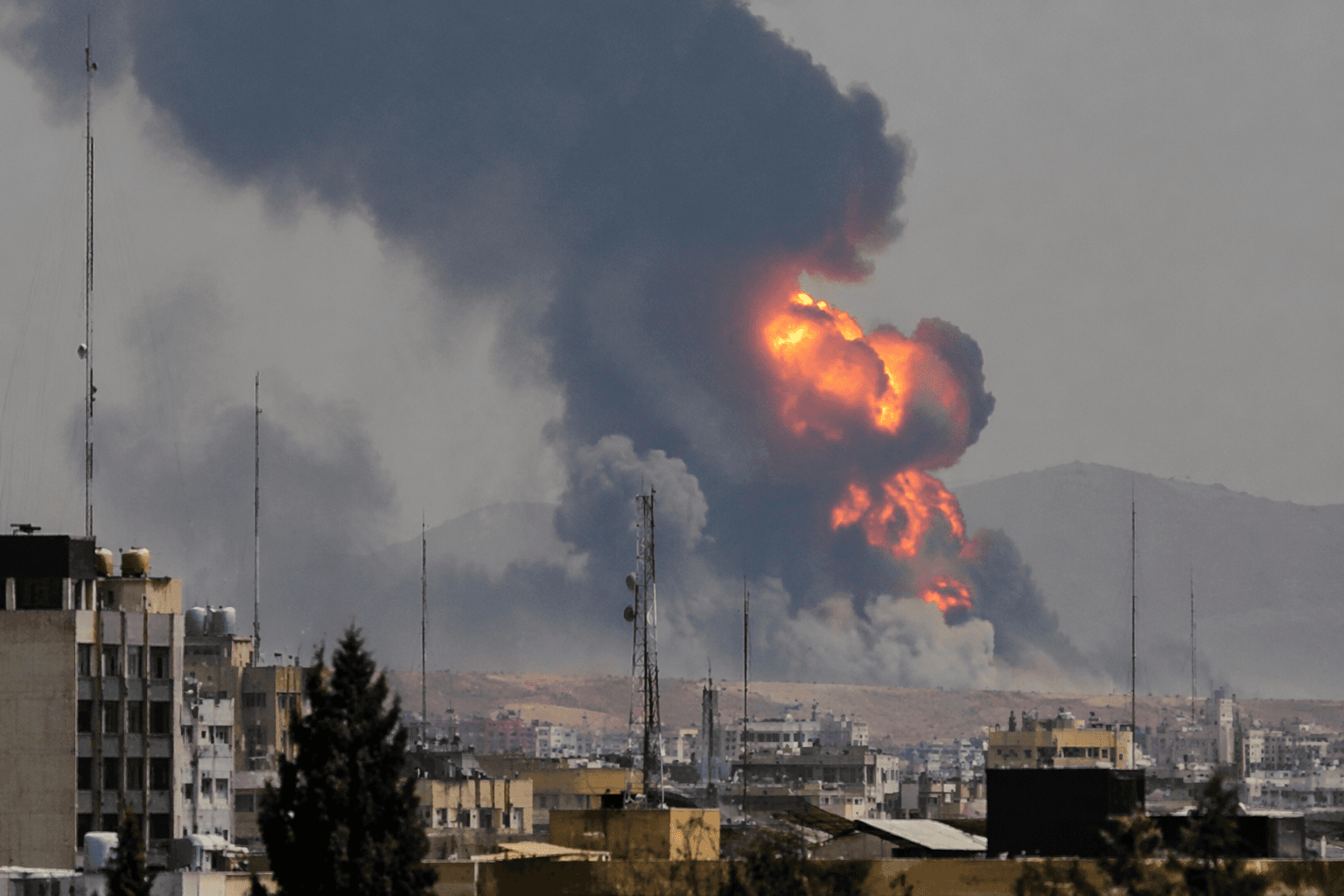
The president said Iran "really wants to make a deal" and argued that any agreement would be good for the United States and its allies. His optimism came only hours after the U.S. military said it struck Iranian military sites over the weekend, and Iran's Revolutionary Guards said they had targeted a U.S. base in response. Reuters described the exchange as the latest in a series of strikes unfolding alongside negotiations to end the three-month-old war.
The weekend attacks were not the first warning that the ceasefire was fraying. A similar strike-for-strike exchange took place the previous Thursday, underscoring how quickly battlefield developments can derail the talks. The U.S. said its strikes were retaliation for Iranian actions, including the shootdown of a U.S. MQ-1 drone operating over international waters, a reminder that military incidents still set the tempo around the talks.
For now, the hardest evidence points to caution rather than breakthrough. Iran's Foreign Ministry spokesman, Esmaeil Baghaei, said negotiations were taking place amid "severe suspicion and mistrust" and that no final conclusion had been reached. Tehran blamed the slow pace of diplomacy on contradictory positions from Washington and continued Israeli attacks in the region. Iran has also said there are currently no talks with the U.S. over the nuclear issue, and it has accused Washington of violating the ceasefire.
Trump himself has sent mixed signals. Earlier in the week he said he was "not satisfied" with the deal and that the U.S. was not discussing easing sanctions, even after previously saying the sides were close to an agreement. Earlier Reuters reporting said discussions had centered on a 14-point memorandum or proposal that would extend the ceasefire and reopen the Strait of Hormuz, where roughly one-fifth of the world's oil traffic usually passes.
Those details matter because they are the clearest test of whether this is diplomacy or spin. Real movement would show up in backchannel contacts that produce a visible halt in strikes, in public steps to dial down military pressure, and in clearer U.S. messaging on sanctions relief. Instead, the latest exchanges have kept the ceasefire on a knife edge, while hard-line Republicans continue to attack Trump's emerging Iran deal as too soft on Tehran.
This article was produced by Prism’s automated news system from verified source data, official records, and press releases, then run through automated quality and moderation checks before publishing. The system is built and supervised by the people who set the standards it runs under. Read our full AI policy.
Know something we missed? Have a correction or additional information?
Submit a Tip