Japan, South Korea stocks hit records as oil rises on Iran talks
Tokyo and Seoul hit records as AI-fueled stocks surged, while Brent climbed above $93 on fragile Iran ceasefire talks and Strait of Hormuz uncertainty.

Japan and South Korea stocks climbed to fresh records even as oil prices pushed higher on renewed anxiety over Iran ceasefire talks, a split-screen rally that underscored how strongly investors are pricing in artificial intelligence growth while remaining uneasy about energy supply. The contrast was sharp: markets in Tokyo and Seoul surged on Monday, while crude advanced as traders watched whether a fragile pause in the Iran war could hold.
Tokyo’s Nikkei 225 rose more than 1.3% and crossed 67,000 for the first time, reaching an intraday high of 67,231.28. South Korea’s Kospi jumped nearly 5% to an all-time high of 8,874.16. SoftBank Group gained more than 9%, and Samsung Electronics also rose more than 9%, reinforcing how heavily the day’s gains rested on companies tied to chips, digital infrastructure and the broader AI boom.

South Korea’s rally had another pillar: trade. Official data released Monday showed exports surged 53% from a year earlier in May to a monthly record of $87.8 billion, driven by the semiconductor supercycle and strong global demand for semiconductors. That export strength gave investors fresh evidence that the region’s biggest technology names are not just riding sentiment, but also benefiting from hard numbers.

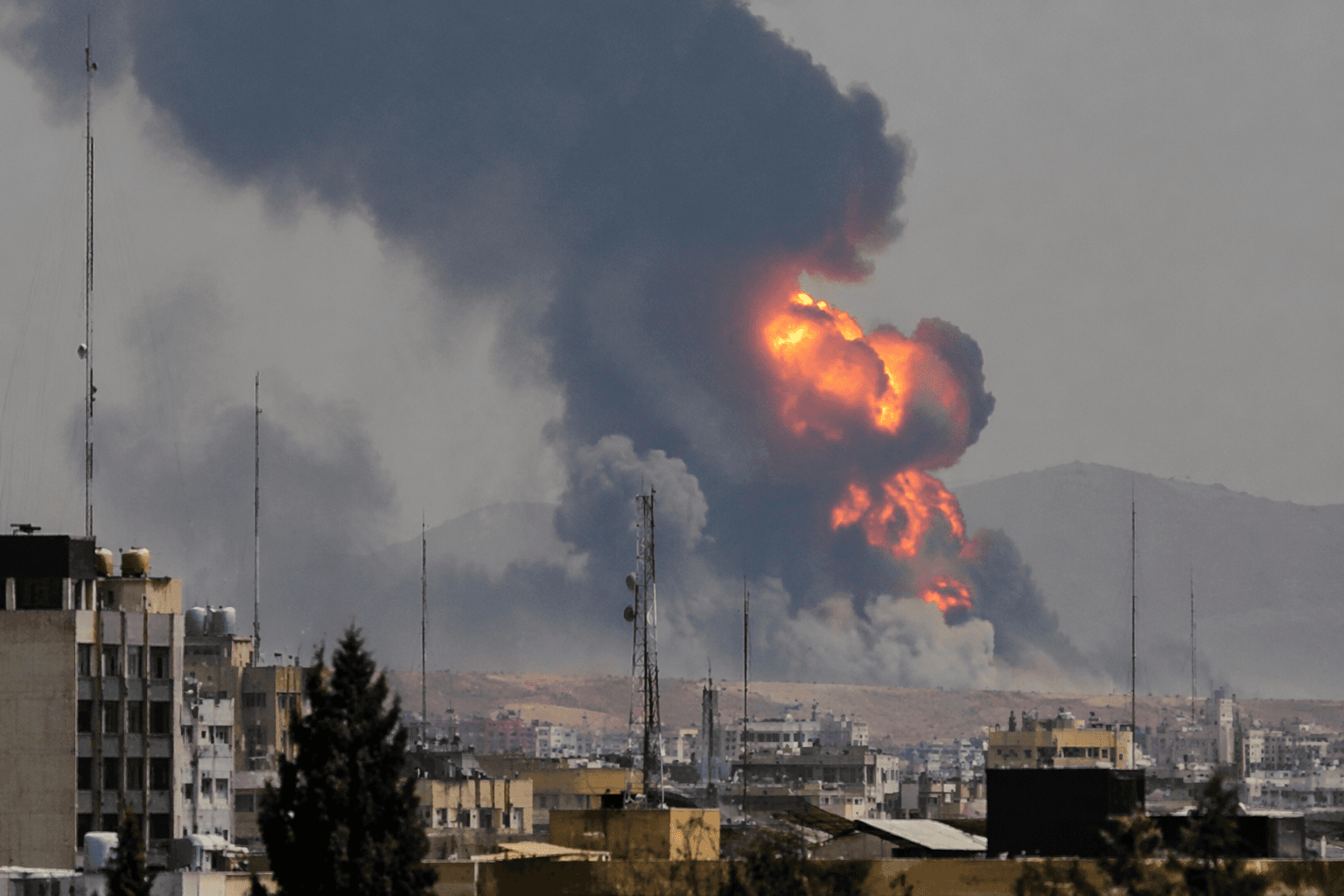
The oil market told a different story. Brent crude rose more than 2% to about $93.33 a barrel early Monday, after being around $70 a barrel in late February before the war began. Traders were still tracking U.S.-Iran negotiations, including talks on reopening the Strait of Hormuz, a vital route for global oil and natural-gas transit. The ceasefire remained tentative after Friday talks involving President Donald Trump, who had not yet decided on a plan to extend it by 60 days, while Iran said no deal was finalized.

That is where the biggest risk sits if energy prices spike again: the same shock that can lift oil can also test the durability of the equity rally. Three months after the Iran war began, investors are still treating the conflict as the market’s most immediate wildcard, even as record highs in Tokyo and Seoul reflect confidence in AI demand, semiconductor earnings and the region’s growth outlook. If the ceasefire frays and the Strait of Hormuz becomes a flash point, the oil market could quickly overwhelm the optimism driving stocks higher.
This article was produced by Prism’s automated news system from verified source data, official records, and press releases, then run through automated quality and moderation checks before publishing. The system is built and supervised by the people who set the standards it runs under. Read our full AI policy.
Know something we missed? Have a correction or additional information?
Submit a Tip