WHO chief visits Congo Ebola hot zone as cases top 1,100
Tedros reached Congo’s Ebola epicenter as suspected cases passed 1,100, while Brazil isolated possible cases and tested its alert systems.
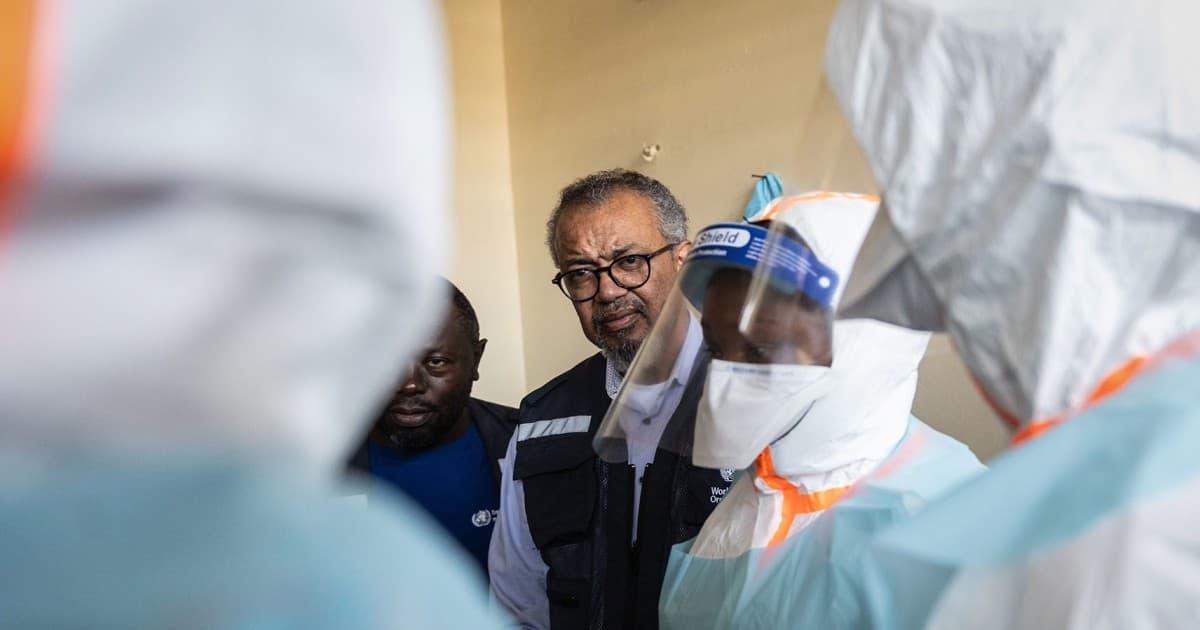
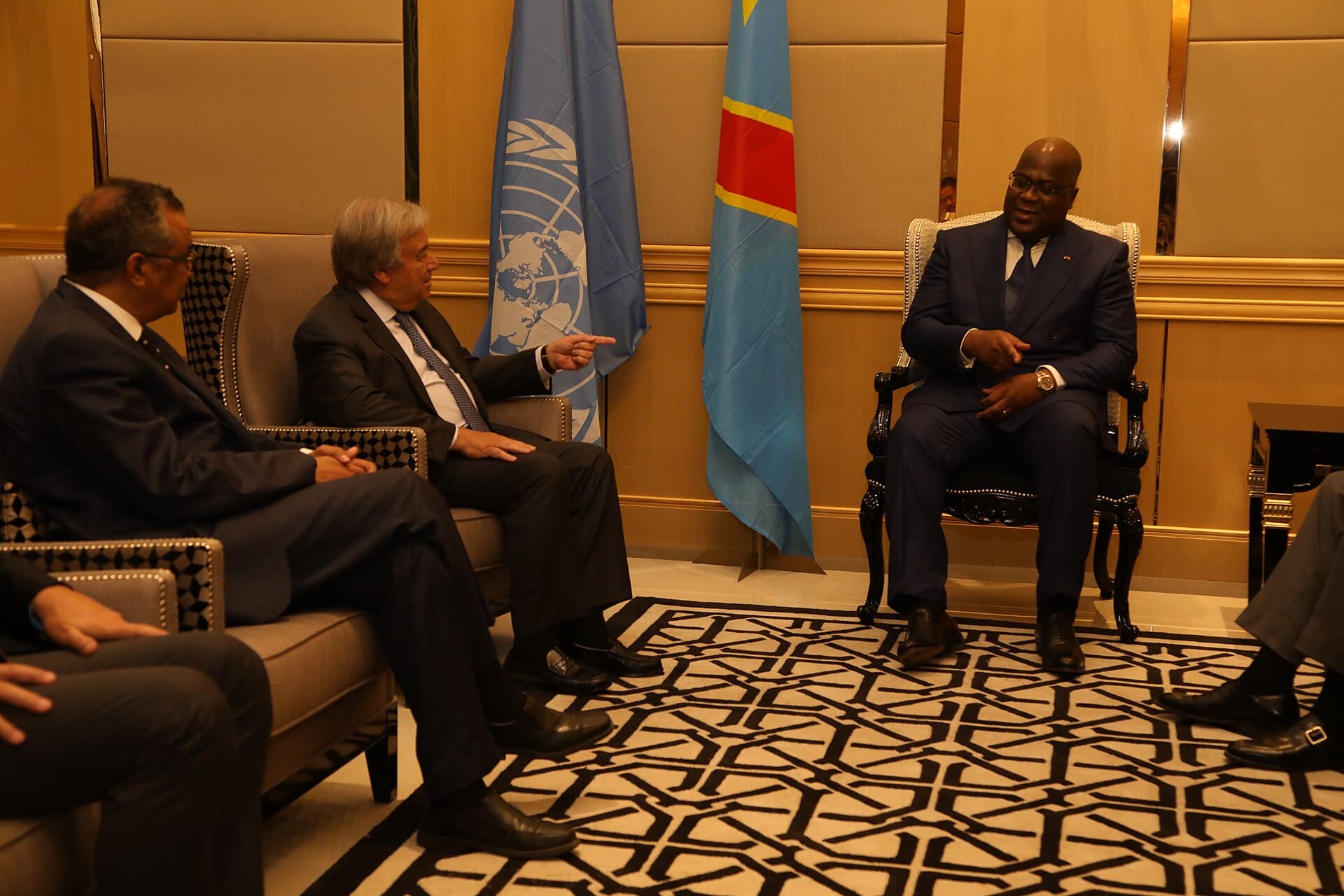
WHO Director-General Tedros Adhanom Ghebreyesus traveled into eastern Congo’s Ebola hot zone as the outbreak in Ituri province tightened its grip on a remote, crowded region where insecurity and heavy cross-border movement are complicating the response. The outbreak involves the Bundibugyo strain of Ebola, which has no approved vaccine or specific treatment, and UN officials have called it the third-largest Ebola outbreak since the virus was discovered in 1976.
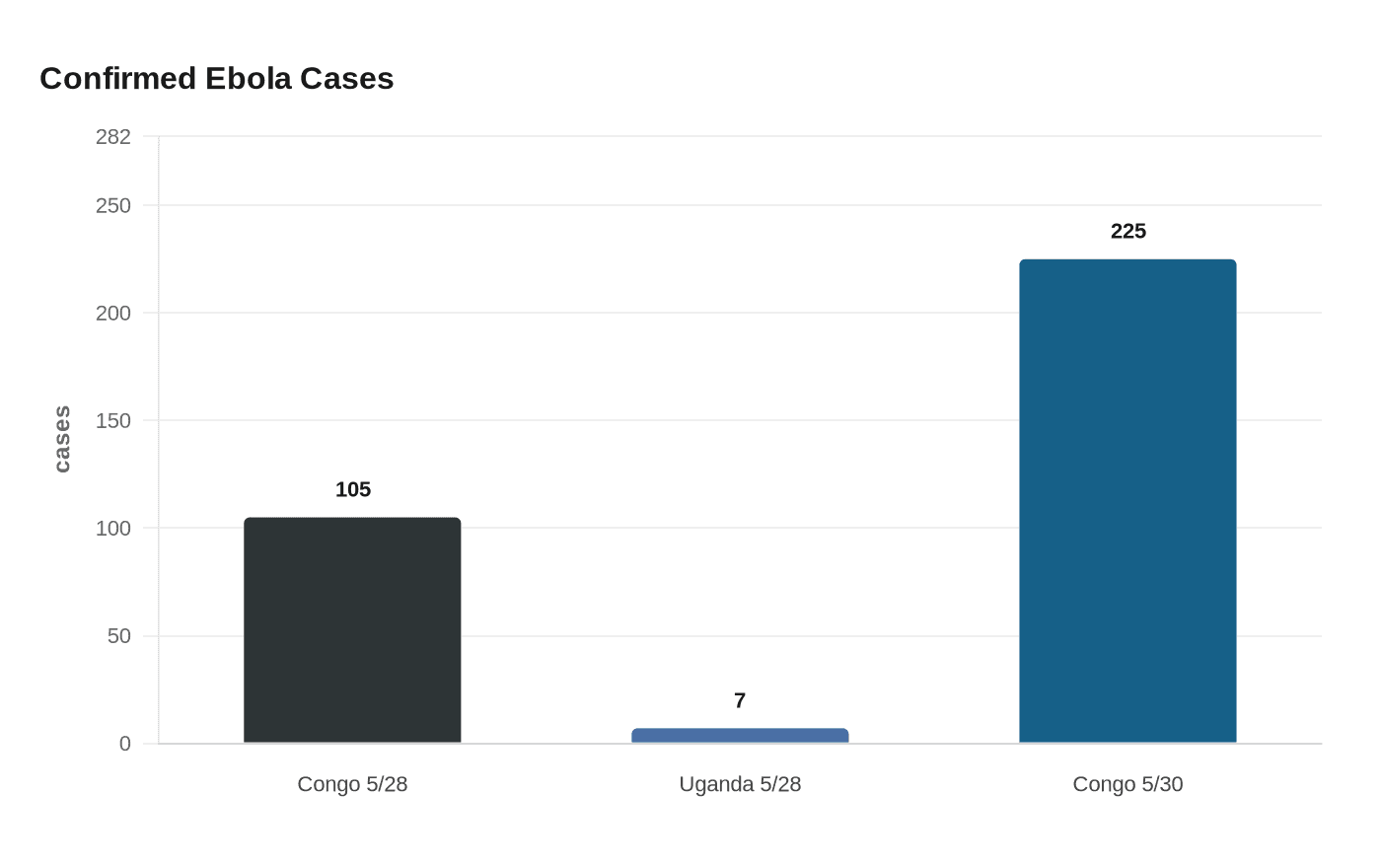
Tedros flew to Kinshasa on Thursday and then to Bunia, the provincial capital of Ituri, on Saturday, after appealing for a ceasefire so health workers could reach affected communities safely. The latest tallies showed how fast the crisis was expanding: as of May 28, the United Nations said Congo had more than 900 suspected cases, 105 confirmed cases and 10 confirmed deaths, while Uganda reported seven confirmed cases and one death. By May 30, Congo’s health minister said authorities had identified 1,028 suspected cases and 225 confirmed cases, and WHO was reporting 906 suspected cases and 223 deaths under investigation.
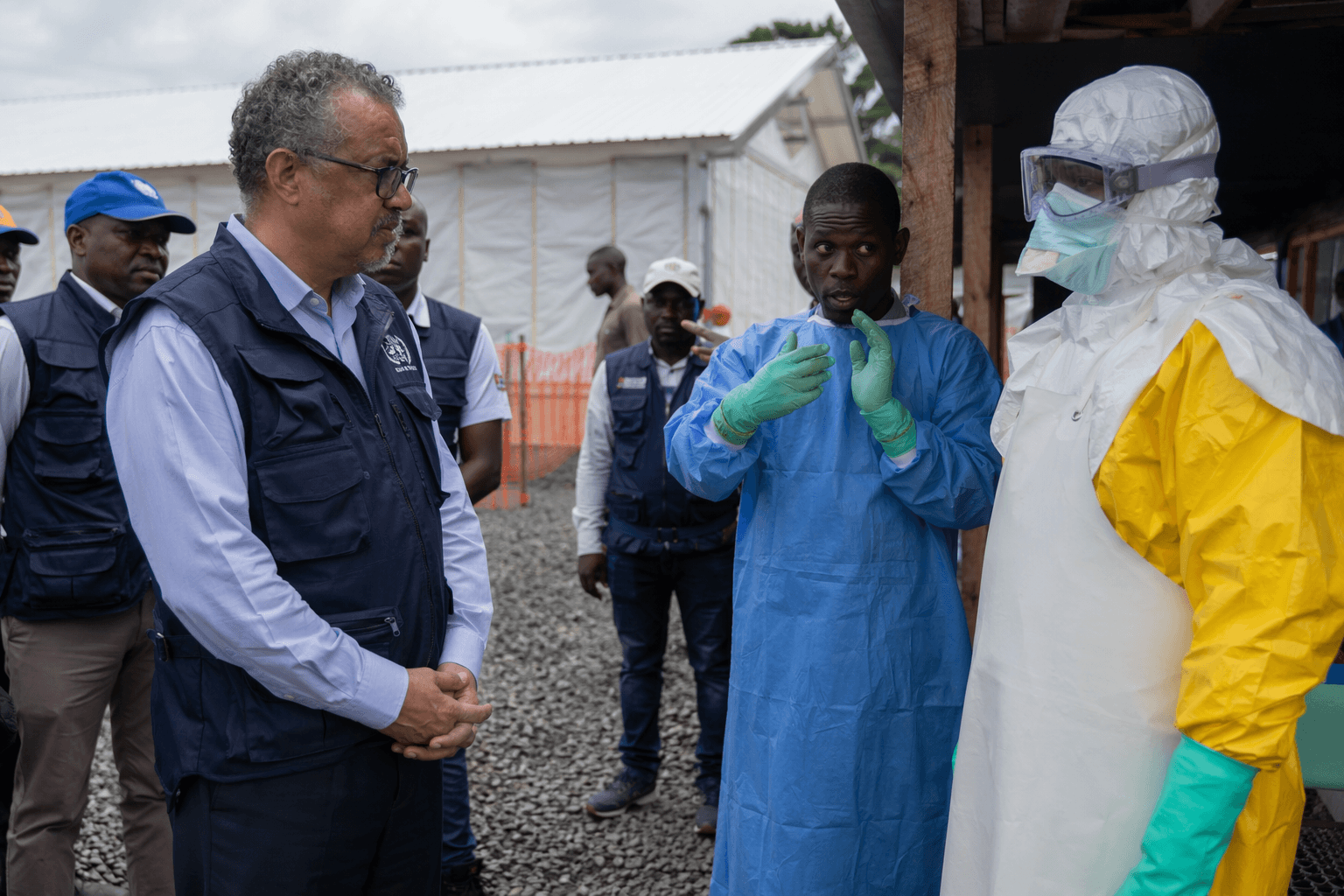
The scale of the response lagged behind the spread, according to aid groups working in the region. Médecins Sans Frontières said the operation was not keeping up and warned that staff lacked basic supplies such as masks. WHO said it was scaling up surveillance, contact tracing, clinical preparedness, supply delivery, community engagement and cross-border preparedness, a reminder that an outbreak in one province can quickly become a regional security problem when people and trade move constantly across borders.
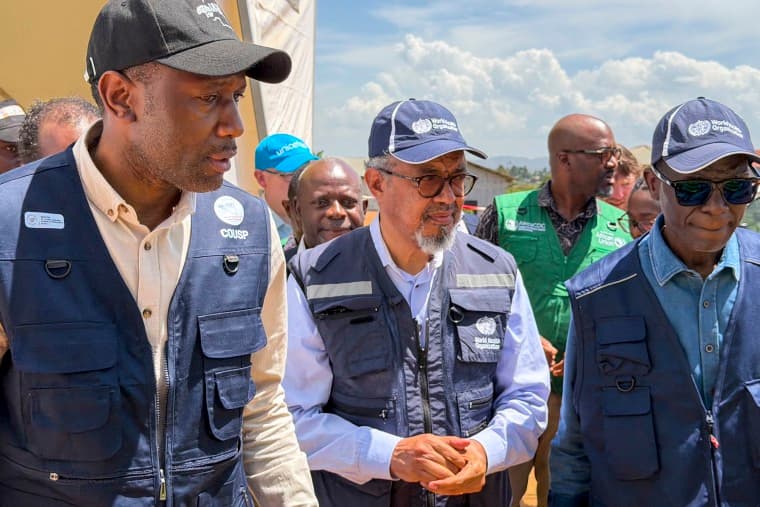
Tedros urged residents to seek treatment early and to use safe burials, warning that bodies of Ebola victims are highly contagious. He also said that, because the Bundibugyo strain has no approved vaccine or treatment, early palliative care such as isolation, rehydration and pain management is especially important while the outbreak is still being mapped and contained.
The threat has already reached farther afield in the form of alerts in Brazil, where authorities in São Paulo isolated a 37-year-old man from the Democratic Republic of Congo who had recently traveled to Africa and developed a fever. Brazil later monitored two possible Ebola patients, one in São Paulo and one in Rio de Janeiro; testing found meningitis in the São Paulo case and malaria in the Rio case, but officials said those diagnoses would not by themselves rule out Ebola. The risk of introduction into Brazil remained very low, yet the cases showed why international surveillance, travel screening and rapid isolation matter long before a suspected case becomes a confirmed one.
This article was produced by Prism’s automated news system from verified source data, official records, and press releases, then run through automated quality and moderation checks before publishing. The system is built and supervised by the people who set the standards it runs under. Read our full AI policy.
Know something we missed? Have a correction or additional information?
Submit a Tip