Gasoline rationing hits Crimea as Ukraine drone strikes squeeze supply
Empty stations and 20-liter caps turned Crimea’s fuel shortage into a daily wartime burden, as officials rationed gasoline after drone strikes squeezed supply.

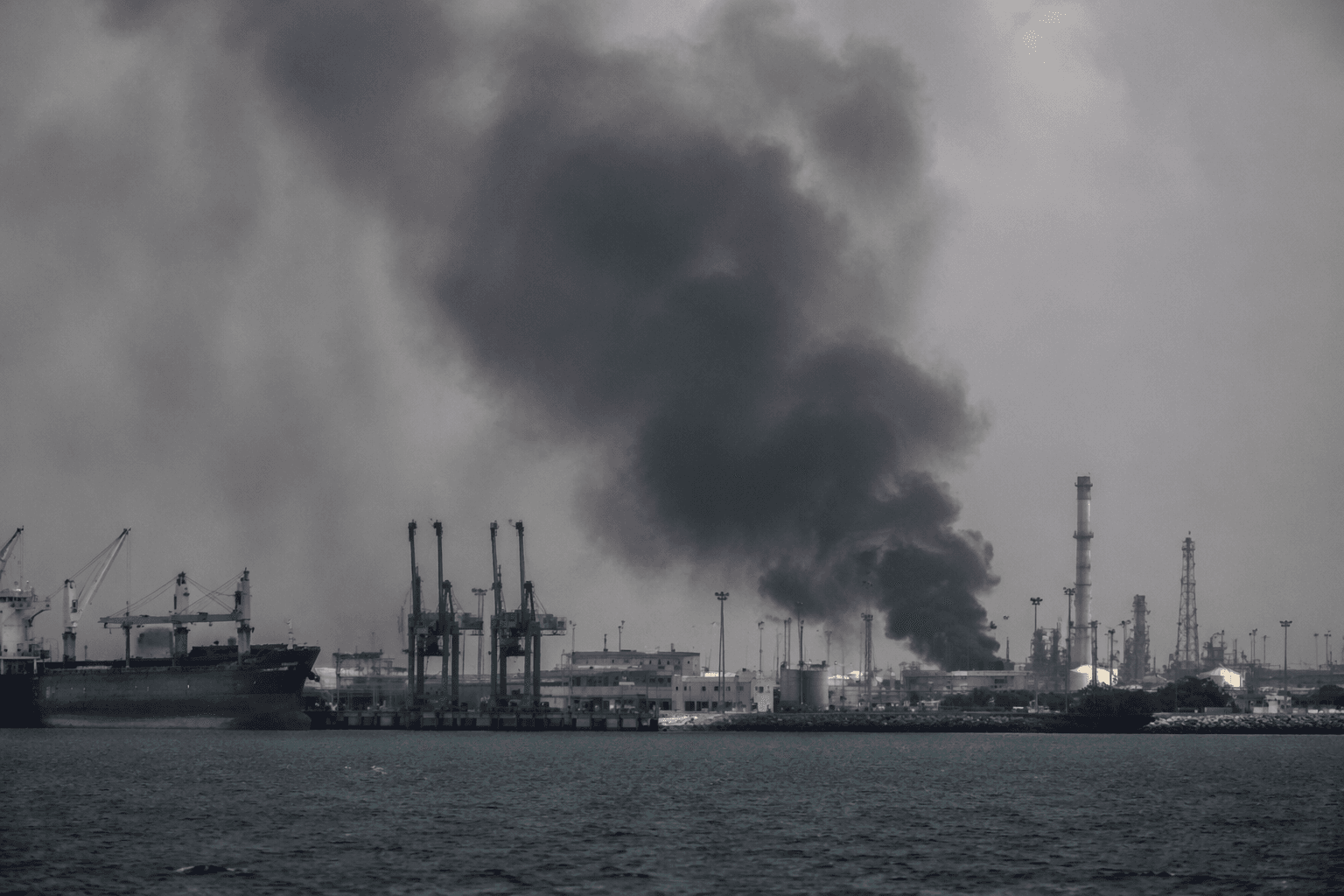
Empty price boards and long queues greeted drivers in Russian-controlled Crimea as gasoline rationing tightened the war’s grip on ordinary life. Fuel deliveries across southeastern Ukraine had been squeezed by Ukrainian drone attacks, and many stations on the peninsula were reported to have run out of gasoline entirely.
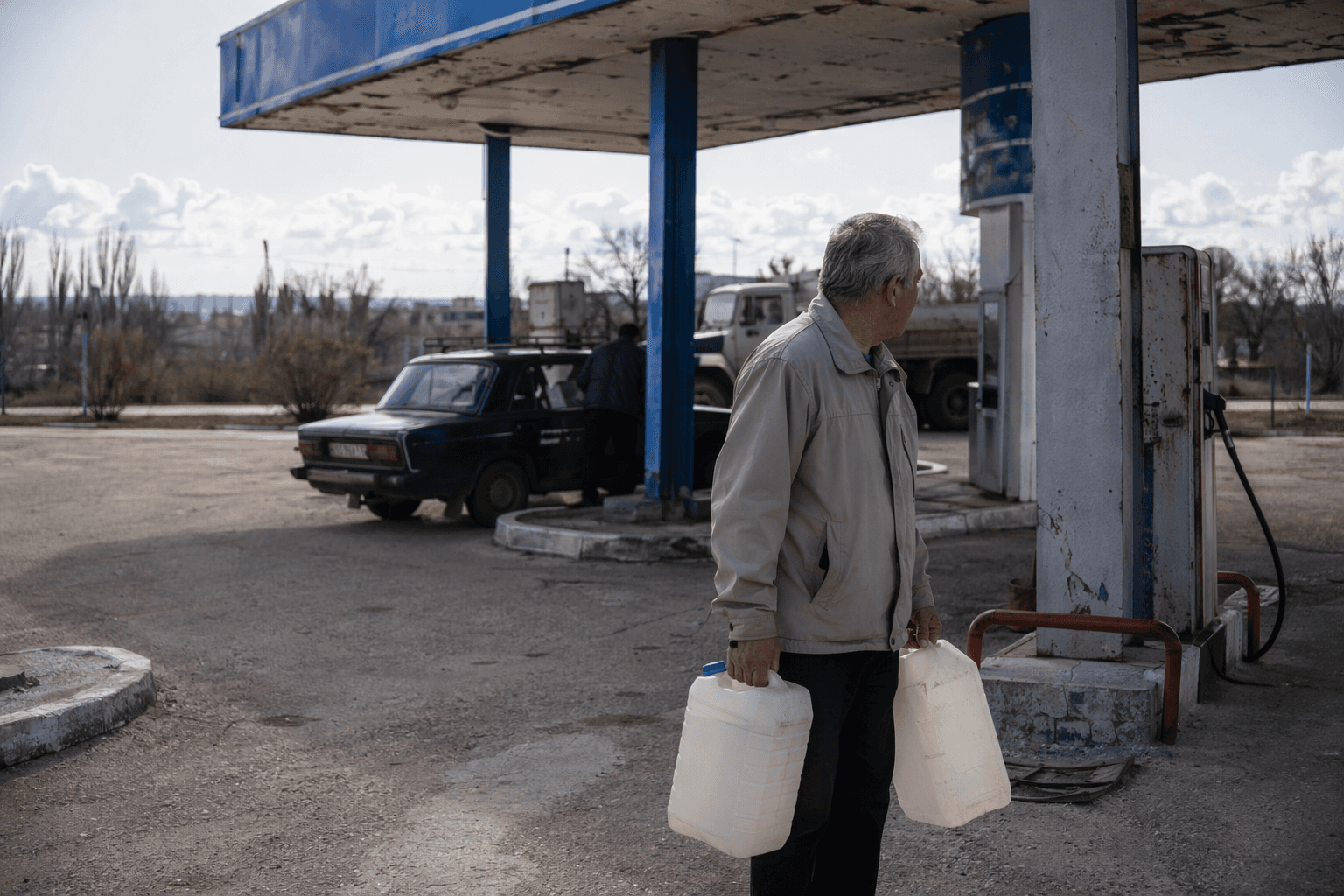
In Sevastopol, Russian-installed governor Mikhail Razvozhaev had already said on May 22 that the city was facing “logistical challenges” and reintroduced a 20-liter purchase cap at TES stations. Days later, Moscow-installed Crimea head Sergey Aksyonov announced a broader peninsula-wide regime: AI-95 gasoline at ATAN and TES stations would be sold only via vouchers, AI-92 purchases would be limited to 20 liters per driver per day, and portable containers would be banned. Aksyonov said he expected the fuel situation to normalize within 30 days.
The restrictions reflected pressure on the main land supply corridor into occupied Crimea. Ukrainian drone strikes had disrupted traffic on the R-280 Novorossiya highway, the route linking Russia’s Rostov region with the peninsula, further constricting road supplies. The shortage carried strategic weight as well as civilian pain in Sevastopol, home to Russia’s Black Sea Fleet, where fuel problems can ripple into military logistics as well as commuter routines.


The rationing in June followed a familiar pattern. In September 2025, Crimea had already frozen fuel prices and imposed gasoline rationing after attacks on Russian oil refineries, limiting motorists to 30 liters per purchase. The new limits were tighter in some places, with 20-liter caps and voucher-only sales for premium fuel, showing how repeated strikes and sanctions pressure have made Russia’s fuel system more brittle. For drivers on the peninsula, the war was no longer a distant campaign measured in drones and supply lines. It was the empty station, the capped tank, and the daily calculation of whether enough fuel remained for work, school and the next errand.
This article was produced by Prism’s automated news system from verified source data, official records, and press releases, then run through automated quality and moderation checks before publishing. The system is built and supervised by the people who set the standards it runs under. Read our full AI policy.
Know something we missed? Have a correction or additional information?
Submit a Tip