Iran accuses U.S. and Israel of violating fragile ceasefire
Iran says new strikes near Bandar Abbas broke a fragile truce, raising fresh fears for oil flows through the Strait of Hormuz.
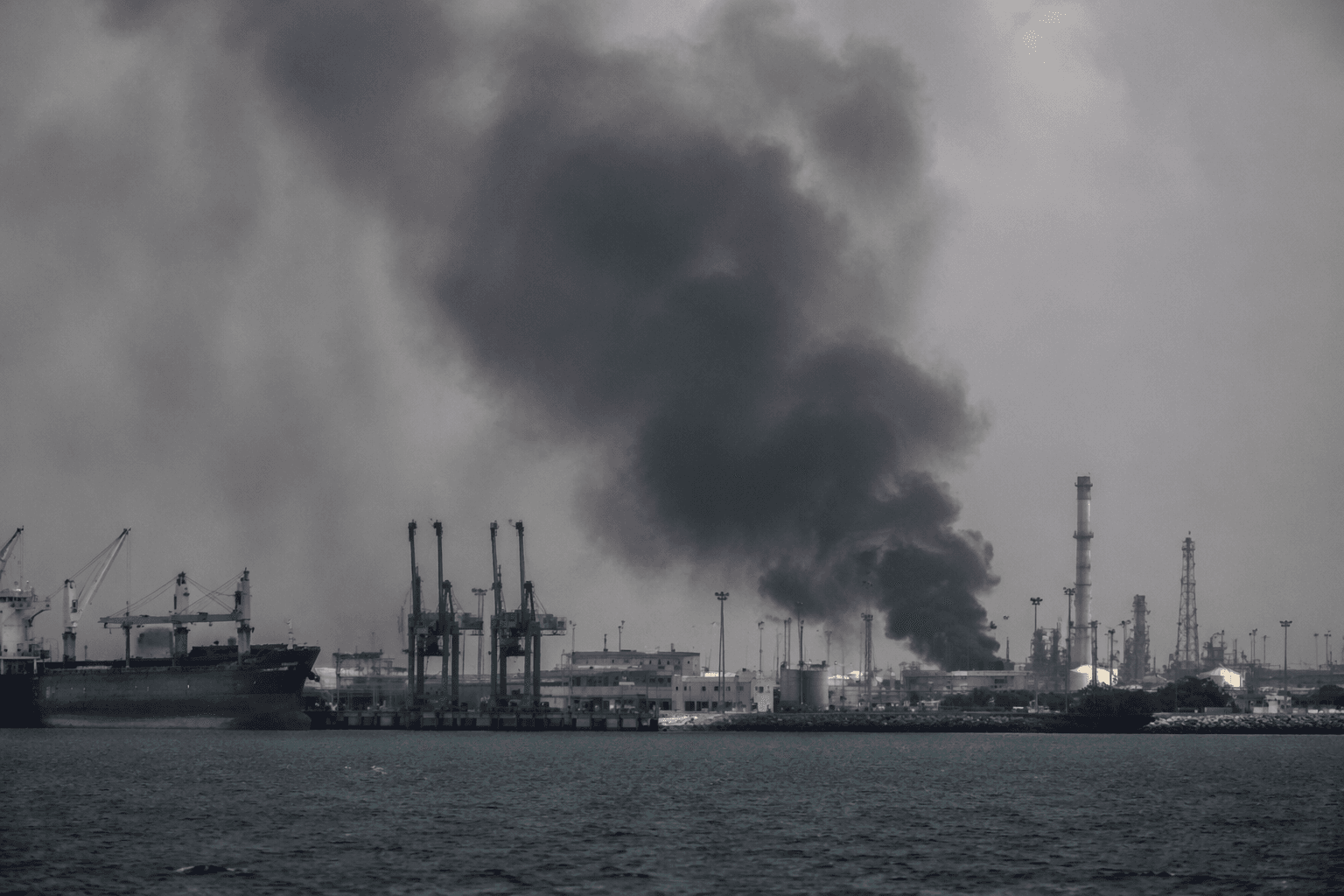
New strikes near Bandar Abbas have put the fragile U.S.-Iran ceasefire under renewed strain, with Abbas Araghchi accusing Washington and Israel of violating an agreement that was meant to halt a widening conflict around the Strait of Hormuz.
The latest confrontation came as the U.S. military shot down four Iranian attack drones and struck a ground-control station near the southern Iranian port that was preparing to launch a fifth drone, according to Reuters. A U.S. official said the response was measured and purely defensive, aimed at preserving the ceasefire. Iran’s Tasnim news agency said the IRGC Navy also fired toward a U.S. oil tanker trying to pass through the Strait of Hormuz, forcing it to turn back.
The dispute carries outsized economic risk because the strait is one of the world’s most important energy chokepoints. Reuters reported that before the war, about 125 to 140 ships typically passed through the waterway each day, but traffic fell sharply as the crisis deepened. The World Bank said the Middle East war and shipping disruption in Hormuz produced the largest oil market shock on record, and projected energy prices would rise 24% in 2026 if the conflict continues to ripple through global trade.
The ceasefire took effect in early April 2026 after weeks of fighting and maritime attacks. It has already been tested repeatedly. On May 7, the USS Truxtun, USS Mason and USS Rafael Peralta came under Iranian missile, drone and small-boat attack while transiting the strait, CBS News reported. The U.S. then struck Iranian facilities, including the ports of Bandar Abbas and Qeshm. Trump said the ceasefire was still in effect and described the Iranian attack as a “love tap,” a sign of how close the standoff came to escalating further even after the truce began.
Trump later rejected Iranian media claims of a draft agreement to restore traffic through the strait and said no single country would control the waterway. As diplomacy continued, Secretary of State Marco Rubio said an agreement with Iran was still possible. But Araghchi widened the warning on June 1, saying the ceasefire covered “all fronts, including Lebanon” and that a violation on one front counted as a violation of the whole agreement.
That claim underscores the risk for markets and policymakers alike: a local strike exchange near Bandar Abbas can quickly spread from the Gulf into a broader confrontation involving the U.S., Iran and Israel, with immediate consequences for oil prices, shipping insurance and global supply chains.
This article was produced by Prism’s automated news system from verified source data, official records, and press releases, then run through automated quality and moderation checks before publishing. The system is built and supervised by the people who set the standards it runs under. Read our full AI policy.
Know something we missed? Have a correction or additional information?
Submit a Tip