Iranian-American woman says Trump threat left her fearing for family in Iran
Setareh said Trump’s April warning left her “paralyzed” and terrified for relatives in Iran as the war deepened and civilian suffering spread.
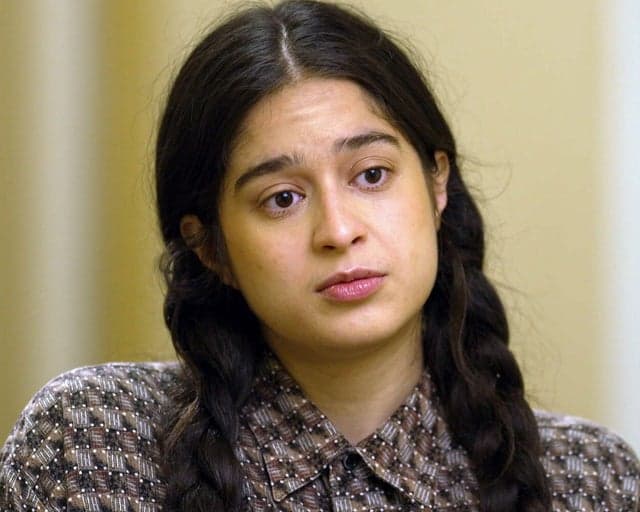
Setareh said a single threat from President Donald Trump sent her into fear for family members in Iran, sharpening the anxiety that has followed the war into Iranian-American homes across the United States.
The Iranian woman, who now lives in the U.S. and asked CBS News not to use her last name, said she heard Trump’s April remark that “a whole civilization will die tonight” while Washington was trying to strike a deal with Tehran. Setareh said her relatives in Iran were scared too, and that she “felt paralyzed” and experienced “this sense of terror” after hearing it.
Her account captures the emotional strain on diaspora families who are trying to stay connected to loved ones as the conflict stretches on. In cities including Chicago, Detroit and Minnesota, Iranian Americans have voiced the same worry about relatives back home: whether they are safe, whether they can be reached, and how long the uncertainty will last.
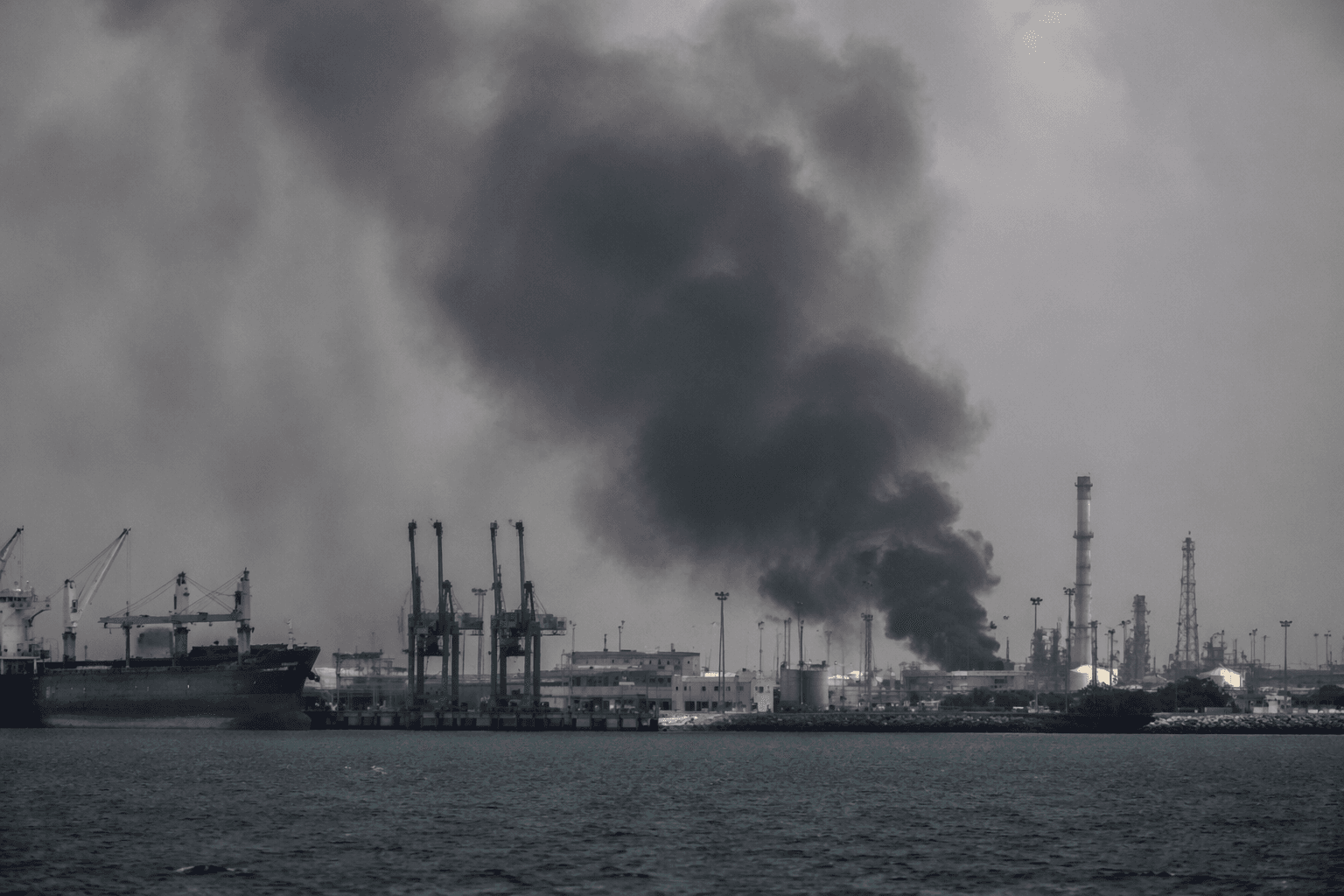
The concern is not only personal. The UN Office for the Coordination of Humanitarian Affairs said intense airstrikes in several Iranian provinces between March 18 and April 3, 2026 caused civilian casualties and extensive damage to homes, schools and health facilities. That destruction has compounded the burden on ordinary families already living through a widening regional conflict.
On April 29, the UN human rights office warned that rights in Iran were being eroded in “harsh and brutal ways,” citing a surge in executions, mass arrests and alleged abuses amid a tightening crackdown on dissent. Earlier in March, a UN expert called on Iran to end excessive force against civilians, restore unhindered internet access and release people detained for exercising their fundamental freedoms.
The war had entered its fourth month as of early June, and efforts to ease the fighting remained fragile. For Setareh, the stakes remain intensely personal: a public threat from a U.S. president, a country under bombardment, and a family waiting in fear on the other side of the world.
This article was produced by Prism’s automated news system from verified source data, official records, and press releases, then run through automated quality and moderation checks before publishing. The system is built and supervised by the people who set the standards it runs under. Read our full AI policy.
Know something we missed? Have a correction or additional information?
Submit a Tip