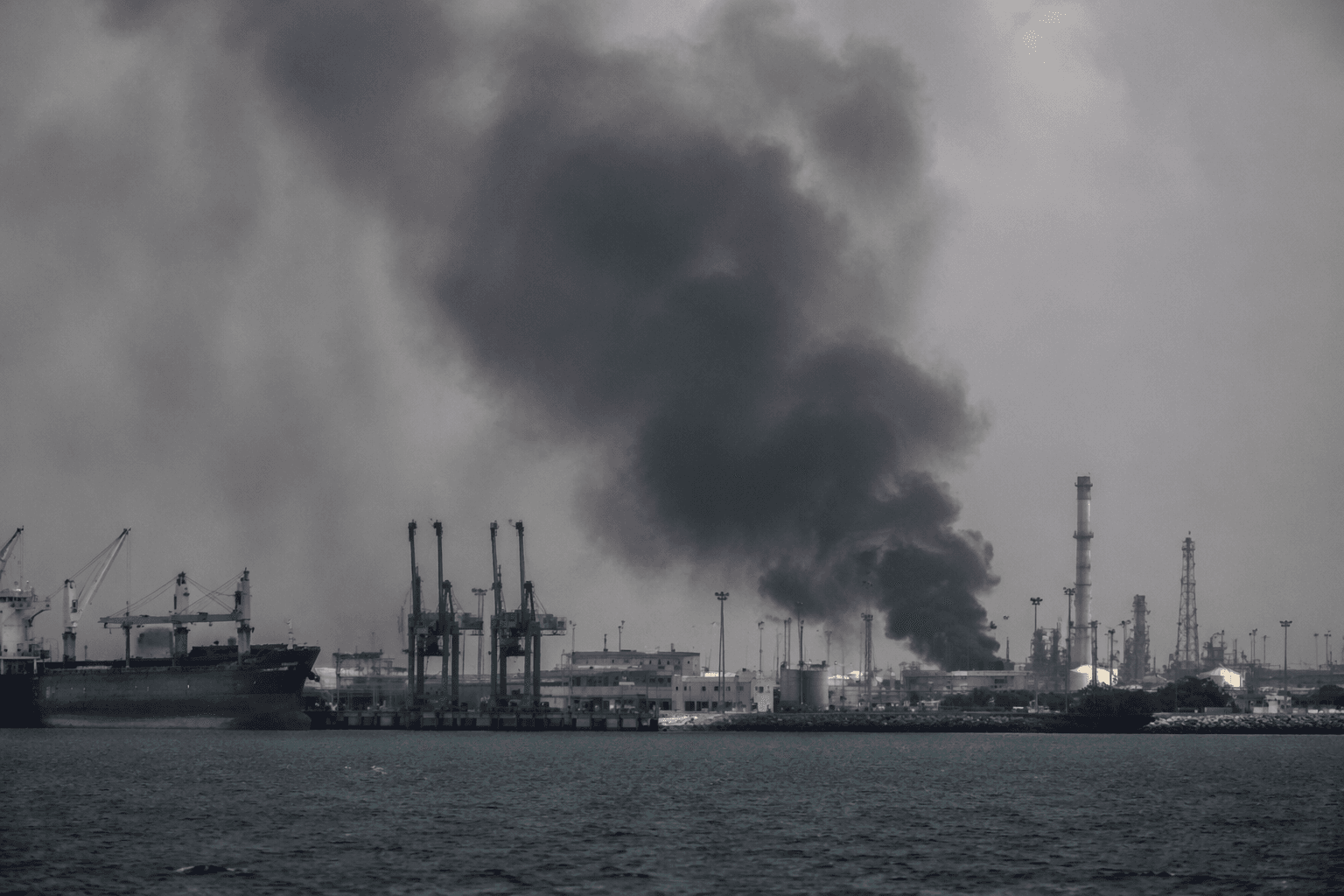
Blast in northern Myanmar village kills dozens, leaves ruins behind
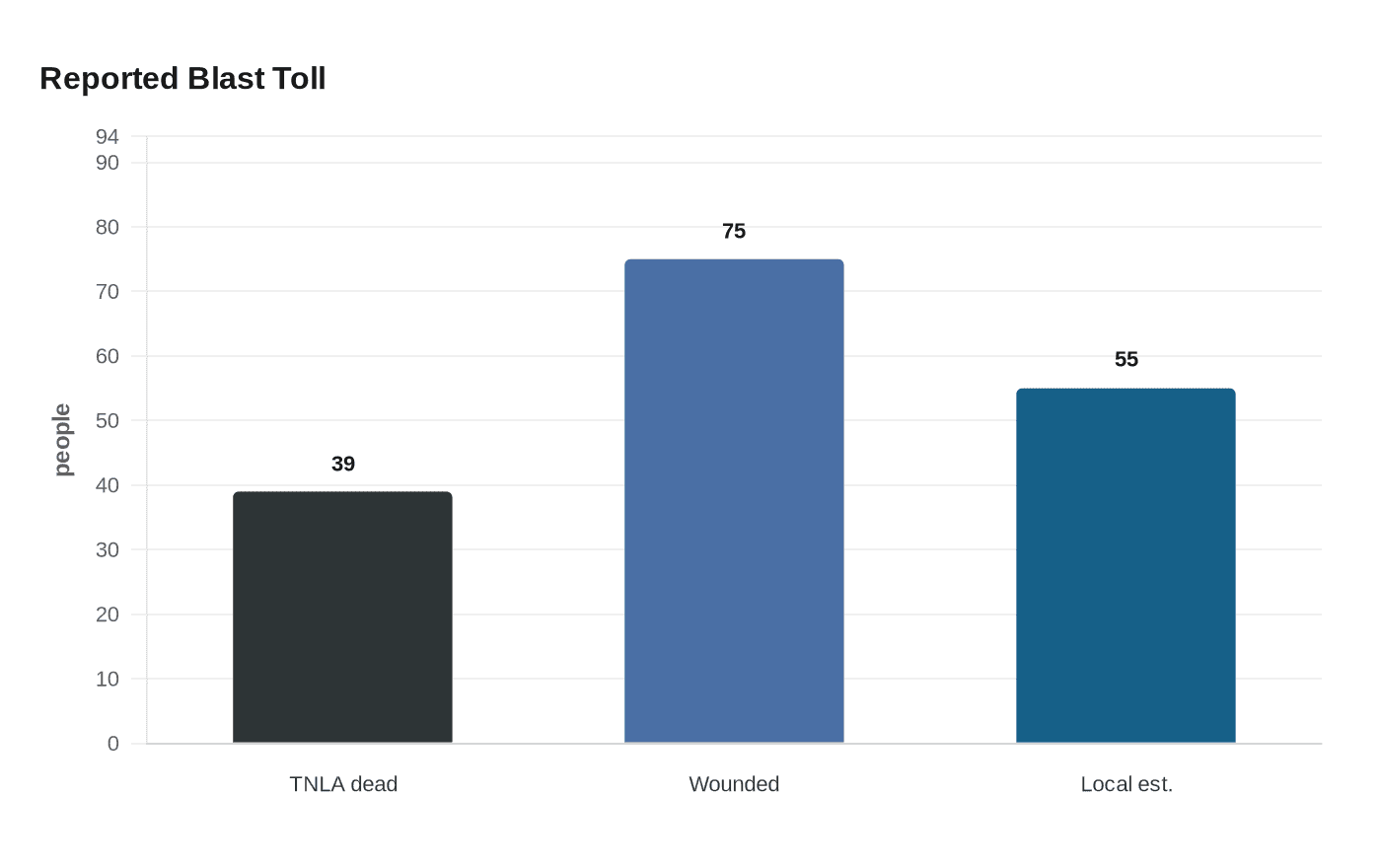
A blast tore through Kaung Tat village, killing at least 39 and possibly more than 55, in territory the TNLA says it controls.

An unexplained blast ripped through Kaung Tat village in northern Myanmar and left a killing field that no side can yet cleanly own. The Ta'ang National Liberation Army, which controls the area in Namkham Township near the China border, said the explosion happened around noon on Sunday and destroyed more than 200 homes, but the exact toll and cause remain contested.
By Monday, the TNLA said a hospital tally put the death toll at 39, with 75 wounded. Local media and people who saw the wreckage said at least 55 people may have died, including six children in one report. In a conflict zone where armed groups, airstrikes, mines and hidden explosives overlap, the uncertainty over responsibility has become part of the disaster itself.
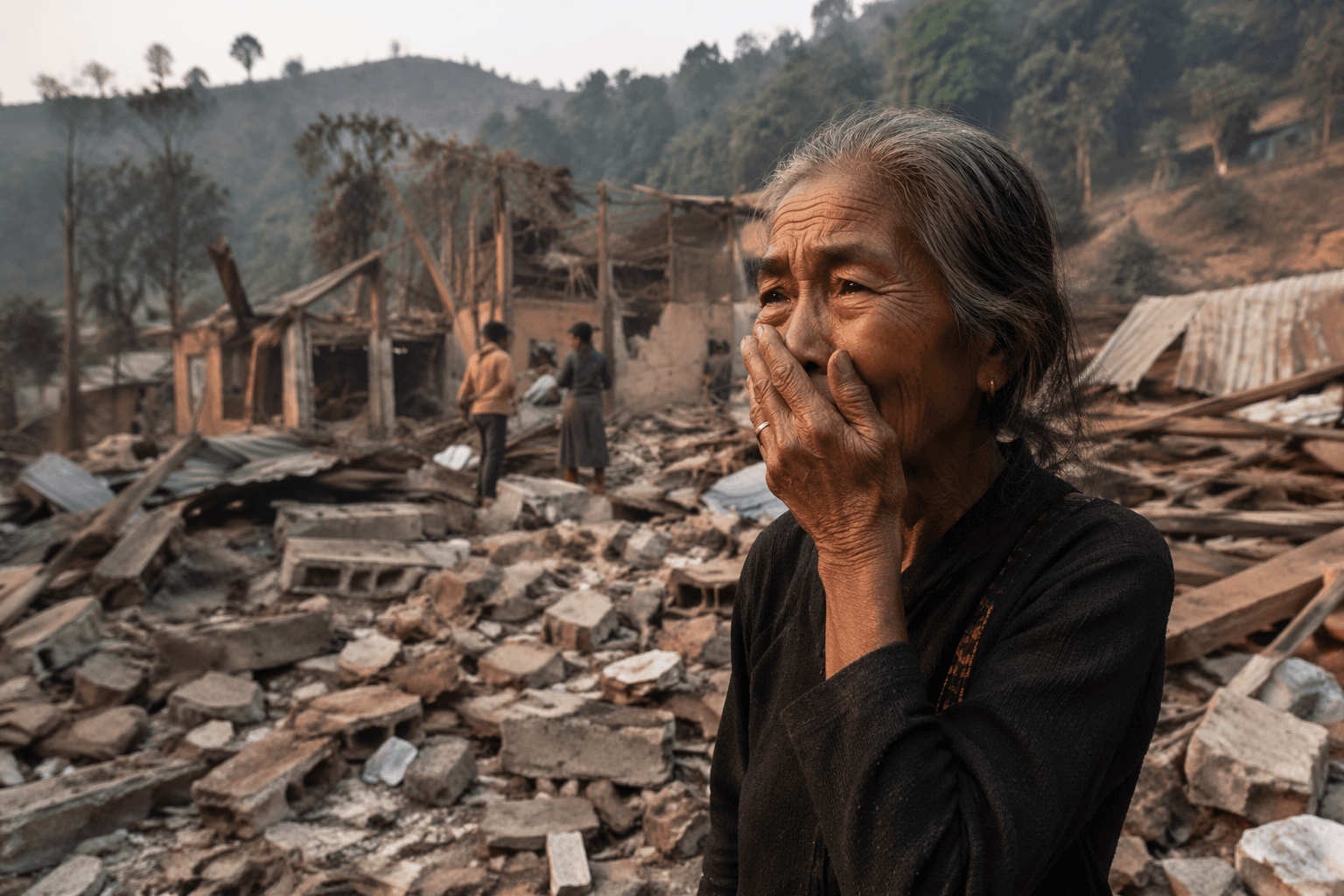
The TNLA said the explosives had been stored for mining operations. Lway Yay Oo, a TNLA spokesperson, apologized on Monday and said, “We deeply apologise for this accident,” while confirming that more than 200 homes had been damaged. The group posted its statement on Telegram. Witnesses described a mushroom cloud rising over the village, followed by bodies and debris scattered across the site. One witness said he first thought the blast was an airstrike. Another said the destruction was so severe that the village was beyond recognition.
Kaung Tat sits inside territory the TNLA says it controls and in a ceasefire with Myanmar’s military, a fragile arrangement reached in October 2025 after China-mediated talks. Under that deal, the TNLA agreed to return Mogok and Mongmit to military control, while the junta agreed not to launch offensives or airstrikes on remaining TNLA-held territory. Even so, the blast showed how little protection that paper arrangement offers civilians living amid shifting lines of control and stockpiles of explosive material.
The episode also points to the larger stakes in northern Myanmar’s borderlands. Since the 2021 coup that ousted Aung San Suu Kyi’s elected government, the country’s civil war has turned mineral-rich terrain into a prize for both the military-backed authorities and armed groups. Heavy rare earth output from conflict zones near the China border feeds supply chains far beyond Myanmar, raising the strategic value of places like Namkham Township and the risks for the people who live there.
Search crews kept working through rubble, backhoes and the remains of damaged homes as residents tried to account for the dead. In a war where attribution is often murky and civilian harm is routine, the blast in Kaung Tat left behind a familiar and devastating pattern: a shattered village, an uncertain toll, and no clear answer yet on who bears final responsibility.
This article was produced by Prism’s automated news system from verified source data, official records, and press releases, then run through automated quality and moderation checks before publishing. The system is built and supervised by the people who set the standards it runs under. Read our full AI policy.
Know something we missed? Have a correction or additional information?
Submit a Tip