U.S. sought Russia's help to free missing journalist Austin Tice
U.S. officials quietly pressed Russia to help free Austin Tice, betting Moscow could reach where Washington could not. The plea showed how little direct leverage the U.S. had in Assad’s Syria.
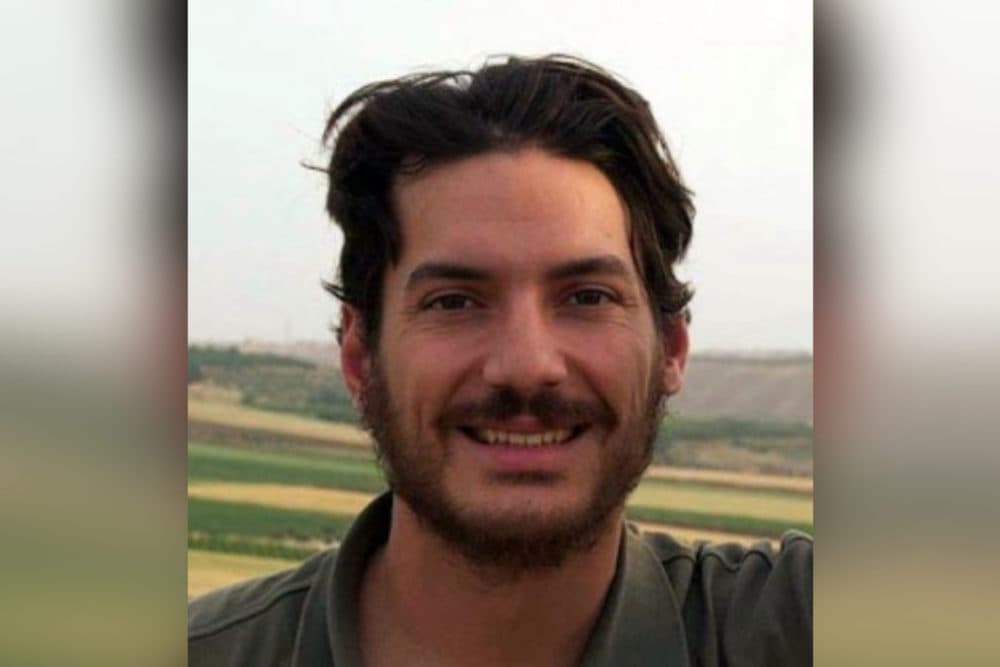
U.S. officials turned to Russia for help in the Austin Tice case, a sign that Washington believed its strongest route to the missing journalist ran through Syria’s main outside patron rather than through Damascus itself. Robert O’Brien, then the U.S. special envoy for hostage affairs, publicly urged Moscow in November 2018 to use its influence to secure Tice’s release.
O’Brien said the United States had “every reason to believe” Tice was still alive, a public assessment that kept hope alive even as the search for the former Marine and freelance journalist stretched deeper into its second decade. Tice, who reported for The Washington Post and McClatchy, was kidnapped in Syria on August 13, 2012, and has long been described as the longest-held captive American journalist.
The case has carried a stark diplomatic edge because Syria was widely viewed in Washington as the place where Tice was being held, yet direct U.S. pressure yielded no breakthrough. That left Russia, which backed Bashar al-Assad’s government, as one of the few powers with enough reach to matter. The Federal Bureau of Investigation says the U.S. government is offering a reward of up to $1 million for information leading directly to Tice’s safe location, recovery and return.
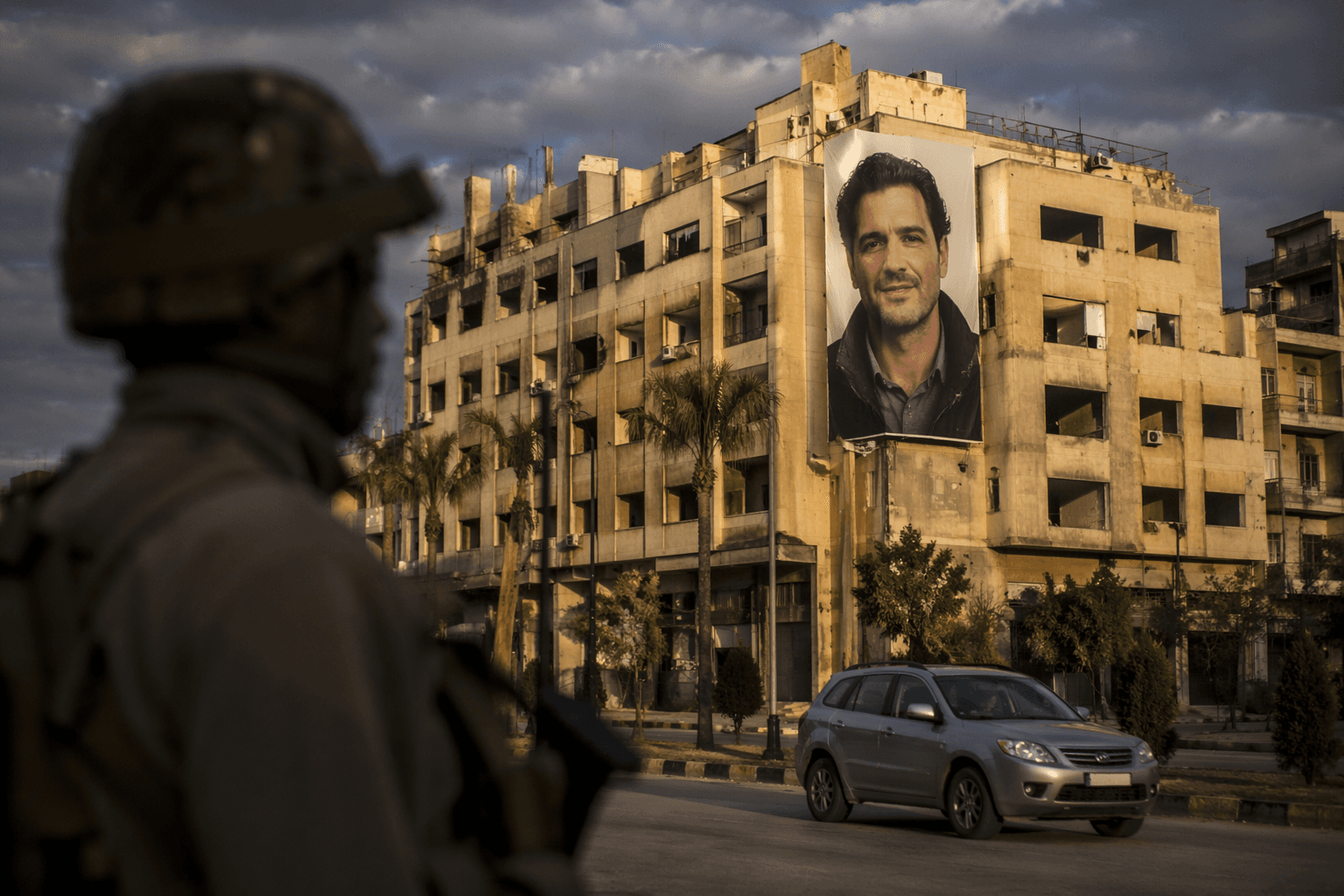
The Tice family has kept pressing for signs that the wait could still end in reunion. In December 2024, Marc and Debra Tice said that watching families reunite in Syria made them believe the same outcome was possible for their family. By 2025, Austin Tice had been missing for more than 12 years, a measure of how little the public still knew about his fate after Assad’s fall opened a new phase in the case.
Debra Tice traveled to Damascus in January 2025, her first visit since 2015, and said the Trump team had offered support to help find her son. Her trip underscored how hostage cases often move through quiet channels of diplomacy, where administrations lean on adversaries, intermediaries and shifting alliances when formal pressure falls short. In Tice’s case, the reliance on Russia revealed the limits of U.S. leverage in Syria and the enduring power of backchannel negotiations when a captive’s fate remains unknown.
This article was produced by Prism’s automated news system from verified source data, official records, and press releases, then run through automated quality and moderation checks before publishing. The system is built and supervised by the people who set the standards it runs under. Read our full AI policy.
Know something we missed? Have a correction or additional information?
Submit a Tip