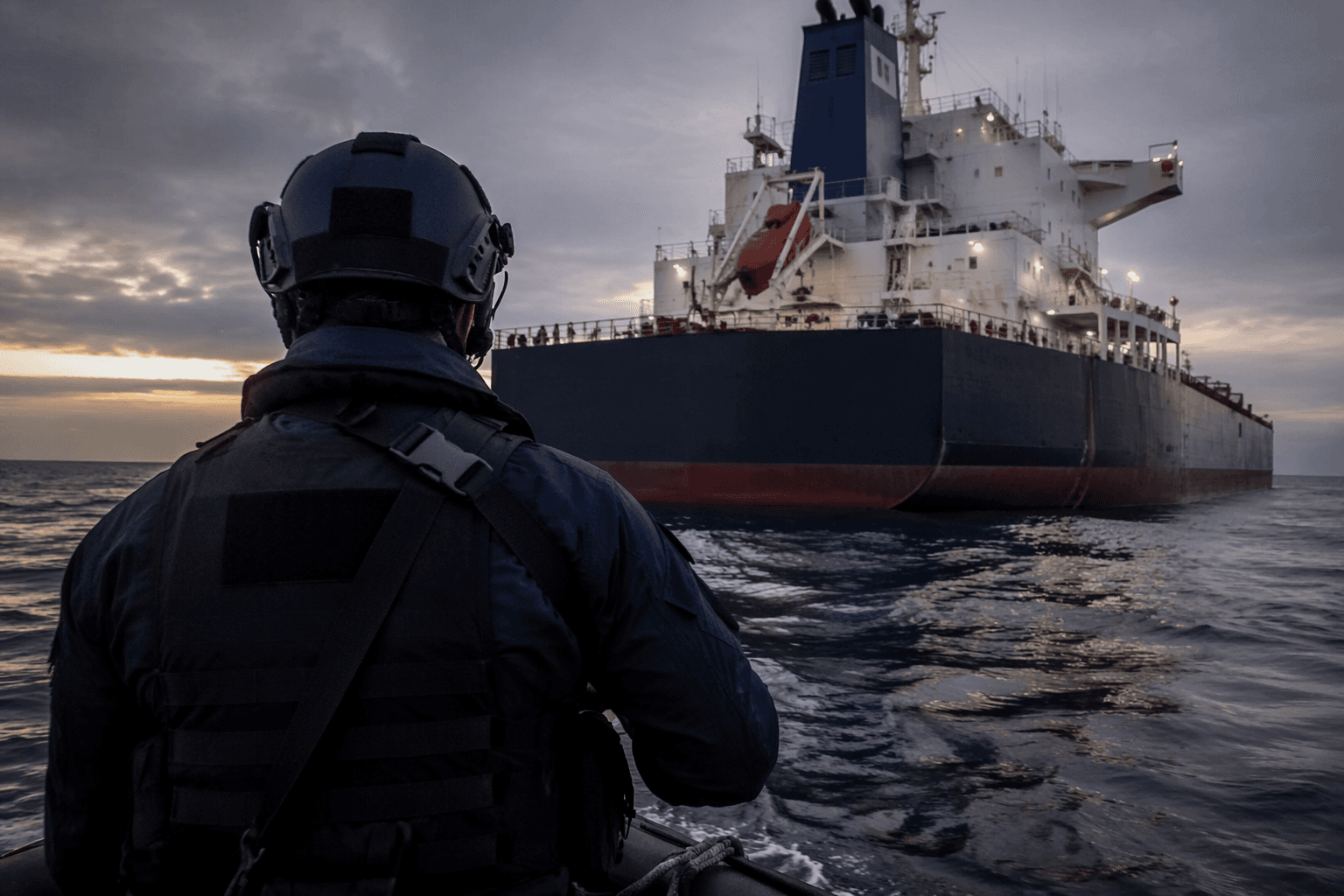
U.S. strikes Iranian military sites after drone shootdown, Iran retaliates
U.S. strikes hit radar and drone sites in southern Iran after a Predator drone was shot down, and Iran answered by targeting a U.S. base.

American airstrikes hit Iranian military sites in southern Iran over the weekend, widening a volatile exchange that now threatens fragile diplomacy as much as it does battlefield positions. U.S. Central Command said the strikes were aimed at radar and drone command-and-control sites in places including Goruk and Qeshm Island, part of what it called “self-defense” action after Iranian aggression.
U.S. officials said the operation followed the shootdown of a U.S. MQ-1 Predator drone operating over international waters. CENTCOM said the strikes were meant to protect U.S. troops and that no American service members were harmed. The scope of the attack suggested a deliberate focus on Iran’s surveillance and drone infrastructure, with additional targets reported to include missile launch sites and Iranian boats attempting to emplace mines.
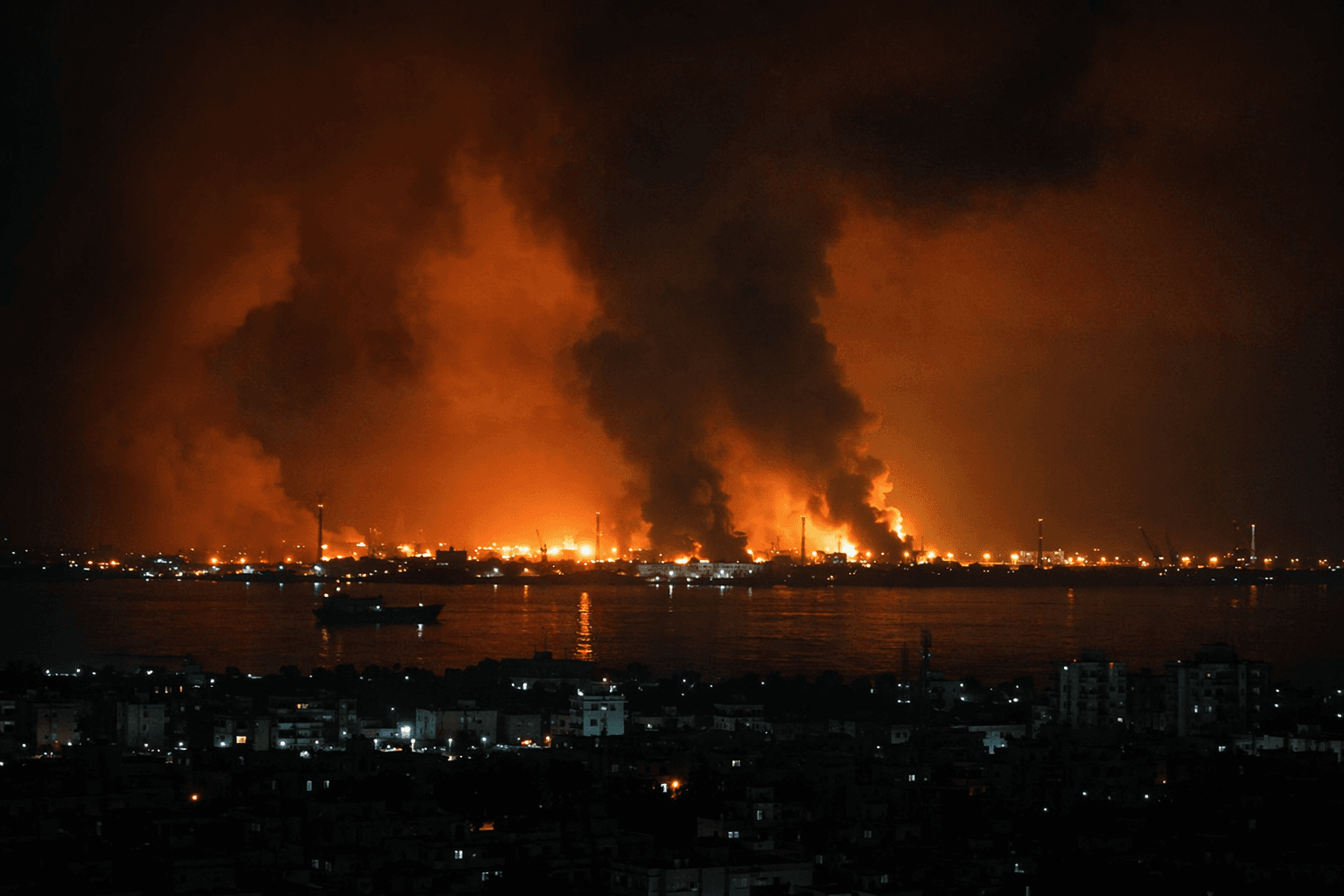
Iran responded with its own warning shot. On Monday, Iran’s Revolutionary Guards said they had targeted a U.S. base in retaliation, pushing the confrontation into a new round of direct exchange. Other reports said the retaliatory fire was aimed at a U.S. base used by American forces in the region, underscoring how quickly the fighting could spill across a wider area if either side misreads the other’s intent.
The military escalation landed at a sensitive diplomatic moment. U.S. and Iranian negotiators had recently reached a tentative agreement to extend the ceasefire in the three-month-old war by 60 days and begin a new round of talks on Iran’s nuclear program. Iran had not immediately confirmed the deal, leaving the ceasefire on unstable footing even before the latest strikes and counterstrike.
That ceasefire, which began in early April, has been repeatedly tested by renewed attacks and retaliatory threats. U.S. officials have also said the truce carries legal and political weight, with hostilities effectively terminated for war-powers purposes, making any fresh escalation more consequential for Washington as well as Tehran.
The latest exchange has also intensified concern over the Strait of Hormuz, a strategically vital shipping route that has become central to the talks. Any sustained attempt to disrupt traffic there would raise the costs far beyond the battlefield, threatening energy markets, regional security and the already narrow path toward a longer-term agreement. For now, both sides appear to be signaling deterrence, but each new strike also pushes the conflict one step higher on the escalation ladder.
This article was produced by Prism’s automated news system from verified source data, official records, and press releases, then run through automated quality and moderation checks before publishing. The system is built and supervised by the people who set the standards it runs under. Read our full AI policy.
Know something we missed? Have a correction or additional information?
Submit a Tip