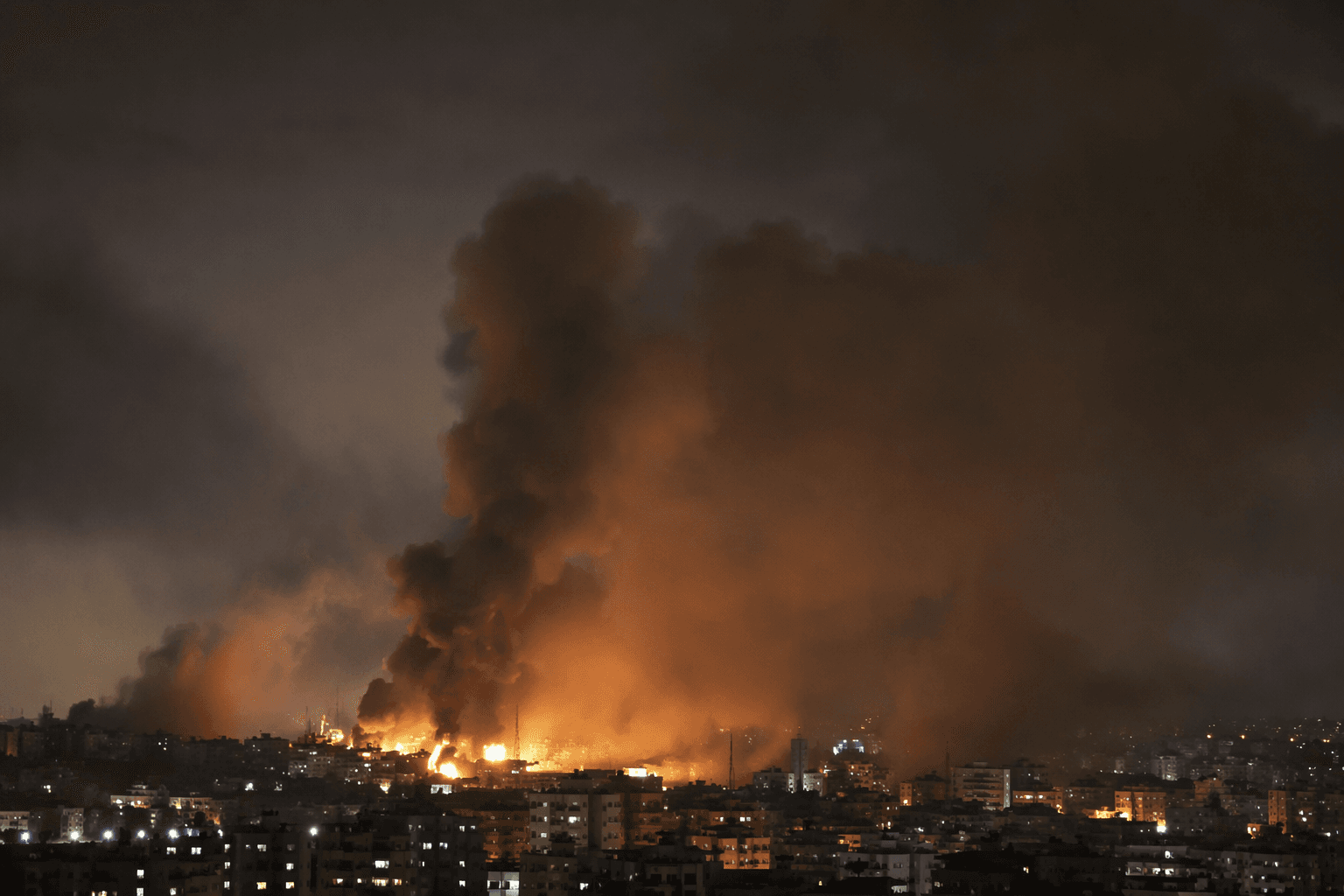
Ethiopia votes under heavy security, skepticism, and opposition complaints
Soldiers ringed Addis Ababa as Ethiopia opened a vote critics say was tilted toward Abiy Ahmed’s Prosperity Party and already strained by war and repression.

Heavy military presence framed Ethiopia’s vote in Addis Ababa as voters lined up before the 6 a.m. opening, a stark backdrop to an election widely expected to keep Prime Minister Abiy Ahmed’s Prosperity Party in power. The real question was not who would win, but whether the contest could command legitimacy in a country still rattled by conflict, political fear and deep mistrust in the ballot box.
More than 50 million of Ethiopia’s roughly 130 million people were registered to vote, with more than 11,000 candidates from 47 parties competing for seats in the House of People’s Representatives and local councils. Up to 550 seats were at stake in the lower house, which will choose the prime minister and, in practice, keep the governing majority in control of the next government. The vote was Ethiopia’s seventh general election since multiparty democracy began in 1991, and election watchers said it was likely to be among the least competitive of them all.
Opposition complaints have defined the campaign. Parties said the political space had narrowed, campaigning was obstructed and the playing field was not fair. Human rights groups added that authorities had intensified pressure on independent media and civil society, citing arrests, disappearances, surveillance, revoked accreditations and license cancellations. Noah Yesuf, a human rights defender, said the election was illegitimate from the start.
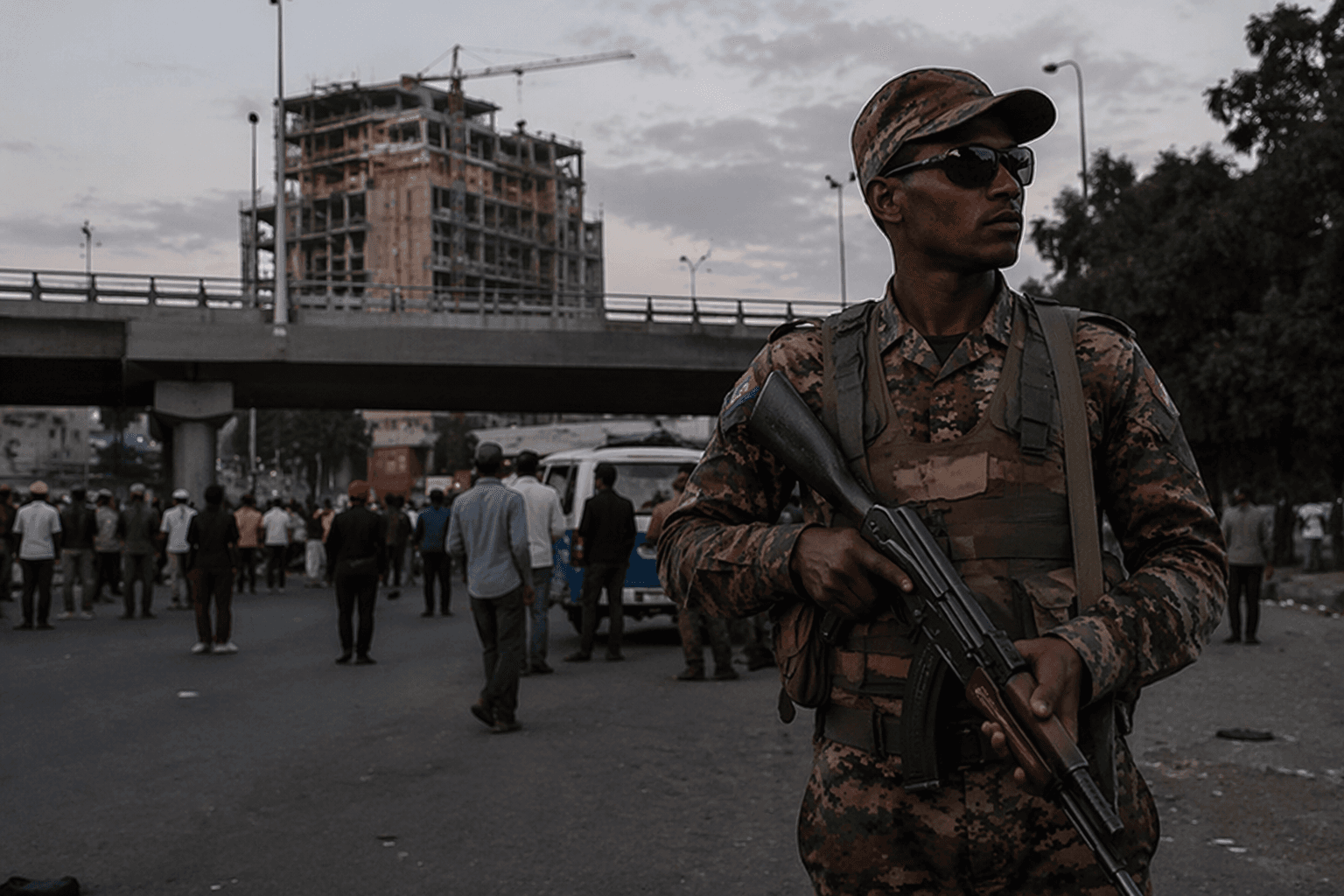
The contest also unfolded in a country where violence has not receded into the past. Armed hostilities continued in Amhara and parts of Oromia, instability persisted in Tigray, and conflict dynamics remain tied to broader strains with Eritrea and Sudan. In that setting, the ballot looked less like a clean democratic reset than another test of whether the state can project authority without first resolving the conflicts that have fractured its institutions.
Some voters still treated the act of voting as meaningful despite the skepticism around it. Senait Dereje, a shopkeeper, said she was not sure her vote would bring the change she wanted, but she still believed voting mattered. That tension captures the election’s central dilemma: a public asked to endorse a process many consider predetermined, while the government seeks to present it as proof of stability, reform and continuity.

For Abiy, a victory could open the way to constitutional changes, including an executive presidency and revisions to Ethiopia’s ethnic federal structure. For international partners, the outcome will measure not just the ruling party’s strength, but whether Ethiopia’s promises of reform can survive a vote held under security lockdown, conflict pressure and widening doubts about who is truly allowed to compete.
This article was produced by Prism’s automated news system from verified source data, official records, and press releases, then run through automated quality and moderation checks before publishing. The system is built and supervised by the people who set the standards it runs under. Read our full AI policy.
Know something we missed? Have a correction or additional information?
Submit a Tip